



Peering into the Primordial Darkness
Imagine a time when the universe was completely dark. After the Big Bang, the cosmos was a vast, murky fog of neutral hydrogen gas. For millions of years, there were no stars or galaxies, just this primordial soup. Then, gradually, the first points of light
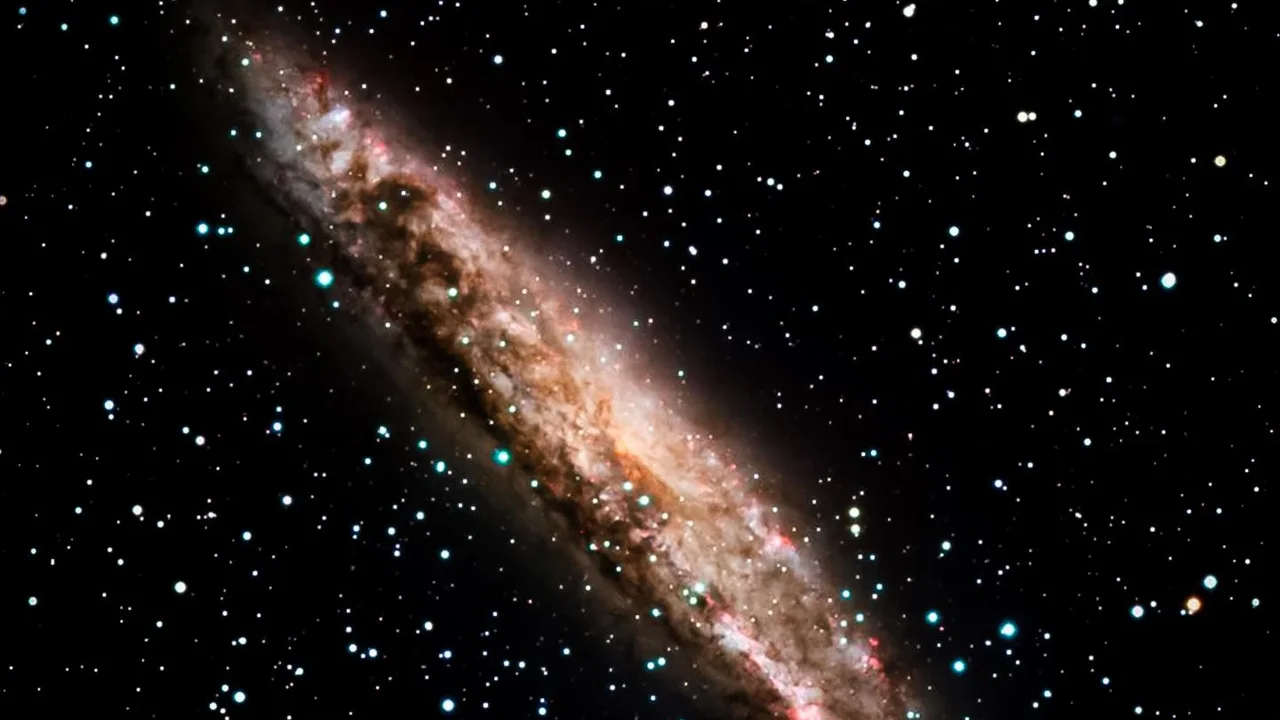
began to shine. This pivotal era, from roughly 50 million to one billion years after the Big Bang, is what scientists call the 'Cosmic Dawn'. It’s the moment the universe as we know it began to switch on, as the first stars ignited and grouped together to form the very first galaxies. These first light sources were so powerful they started burning off the hydrogen fog in a process called reionization, allowing light to travel freely across space for the first time. Understanding this period is fundamental to understanding the origin of all structure in the universe, including our own Milky Way.
Webb’s Infrared Superpower
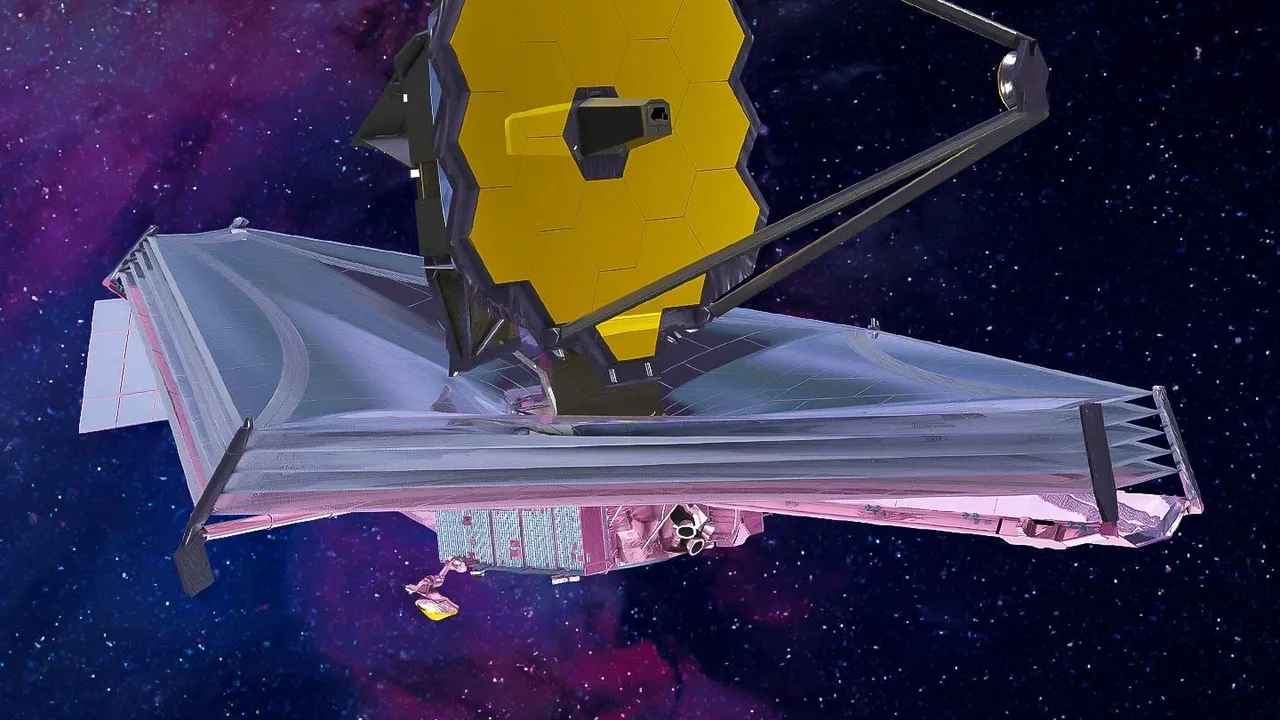
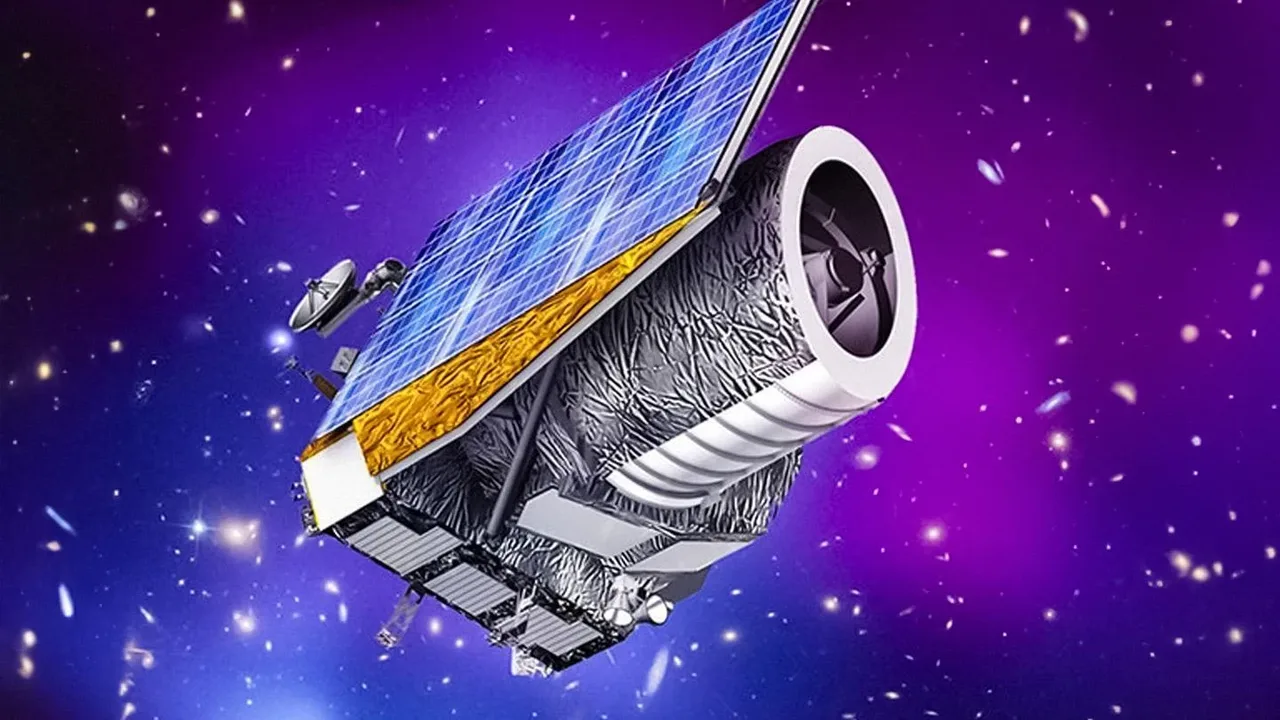
Looking at distant objects in space is the same as looking back in time, because of the finite speed of light. But there’s a problem. The universe is constantly expanding, and as it expands, it stretches the light traveling through it. Light that left the first galaxies as visible or ultraviolet light has been stretched over billions of years into the infrared part of the spectrum, which is invisible to the human eye. This is where the James Webb Space Telescope's genius lies. Unlike its predecessor, the Hubble Space Telescope, which primarily sees visible light, Webb is specifically designed to detect this ancient, stretched-out infrared light. Its sensitivity allows it to see past the limitations of Hubble, capturing the faint glow of newborn galaxies that existed when the universe was just a few hundred million years old.
The Deepest Look in History
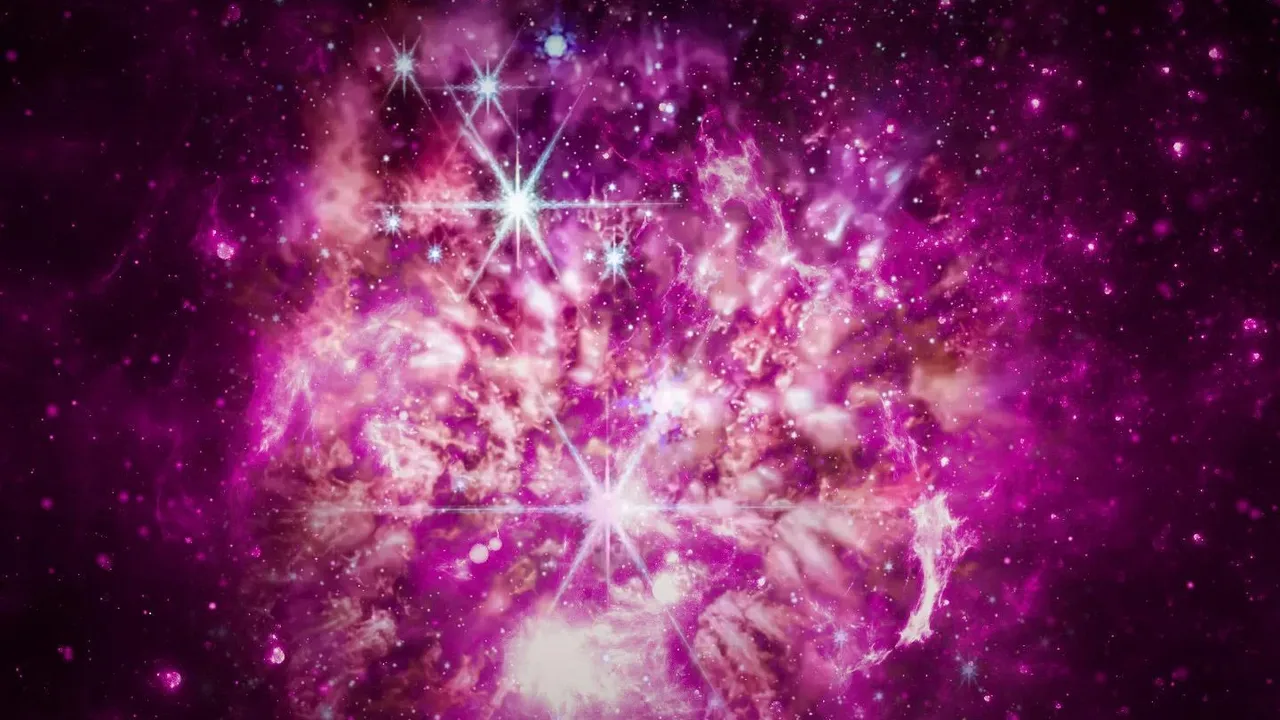
To find these first galaxies, Webb stares at a tiny, seemingly empty patch of sky for hours or even days. This long-exposure method creates a 'deep field' image. One of Webb's first, known as Webb's First Deep Field, revealed thousands of galaxies in a sliver of the sky the size of a grain of sand held at arm's length. Many of these were the faintest infrared objects ever seen. The deep field data does two things. First, it uses the power of 'gravitational lensing,' where the gravity of a massive foreground galaxy cluster acts like a cosmic magnifying glass, amplifying the light from even more distant galaxies behind it. This brings incredibly faint and distant structures into focus. Second, the sheer depth of the image captures a huge statistical sample of galaxies from different eras, allowing scientists to piece together an evolutionary timeline.
Rewriting the First Cosmic Chapters
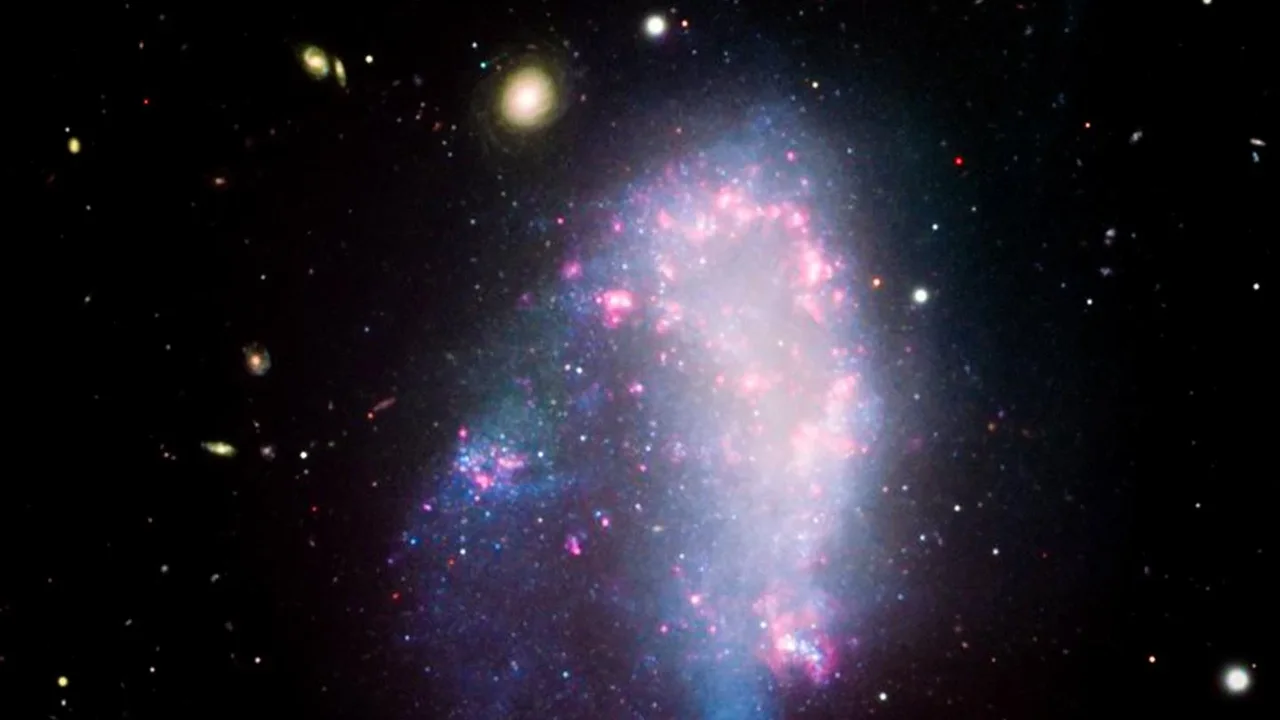
Before Webb, scientists had theories about what the first galaxies would look like—small, clumpy, and somewhat primitive. Webb's data, however, is showing something far more surprising. It's revealing that the early universe was populated with galaxies that were brighter, more massive, and more structured than models had predicted. Some appear surprisingly mature, with complex structures and signs of heavy elements that shouldn't have been created yet. In some cases, Webb has helped identify protoclusters of galaxies forming much earlier than thought possible. These discoveries are forcing a major rethink of cosmological models. It seems the assembly line of the universe, from gas to stars to massive galaxies, may have operated much faster and more efficiently than anyone realised.
More Than Just a Picture
Webb's data is far more than just pretty pictures. The telescope is equipped with spectrographs, which spread light out into its constituent wavelengths, like a prism. This allows scientists to analyze the chemical composition, temperature, and density of these ancient galaxies. Using spectroscopy, researchers can determine a galaxy's precise distance (and therefore its age), what kinds of stars it contains, and even the properties of its central supermassive black hole. Webb's NIRSpec instrument can observe nearly 100 galaxies simultaneously, providing a treasure trove of detailed information that helps differentiate between a dusty, older galaxy and a genuinely young one. This detailed chemical and physical analysis is the key to turning faint red dots into a rich history of cosmic evolution.