


The Monsoon-Microbe Connection
The rainy season creates a perfect storm for food contamination. High humidity and ambient moisture allow bacteria like E. coli and Salmonella, as well as viruses and fungi, to multiply rapidly on the surface of fresh produce. Contaminated water sources
used for irrigation can transfer these pathogens to vegetables long before they reach your kitchen. Leafy greens like spinach and lettuce, with their many folds and crevices, are particularly adept at trapping dirt and microbes, making them difficult to clean thoroughly. This combination of factors means that foods eaten raw require extra vigilance to prevent foodborne illnesses, which see a significant spike during this time of year.
Smart Strategies for Salads
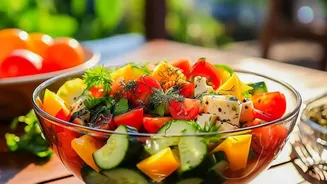
While you don't have to give up salads entirely, a shift in approach is wise. The safest option is to opt for cooked or steamed vegetable preparations, as heat effectively destroys most harmful microorganisms. If you do crave a raw salad, be meticulous. Source your vegetables from clean, reliable vendors. It's best to avoid pre-cut salads from outside. When preparing at home, wash everything thoroughly and consume the salad immediately after making it. Consider alternatives like a warm chickpea or sweet potato salad, or a simple kachumber with ingredients that have thick peels, like cucumber and onion, which are generally safer once peeled and washed.
The Problem with Pre-Cut Fruit
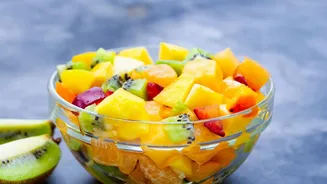
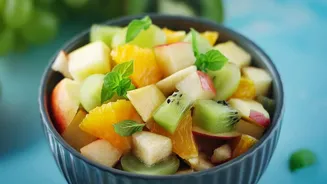
That convenient plate of cut fruit from a street vendor might seem refreshing, but it's one of the riskiest food items during the monsoon. Once the protective peel is removed, the fruit's flesh is exposed to airborne bacteria, dust, and flies. The vendor’s knife, cutting board, and the water used for rinsing can all be sources of contamination. The sugary surfaces of cut fruit also encourage rapid bacterial growth, especially when left in the open for hours. The safest practice is to buy whole fruits, wash them thoroughly at home, and cut them yourself right before you plan to eat them. Fruits with thick, inedible skins like bananas, pomegranates, and oranges are excellent choices.
Mastering the Wash
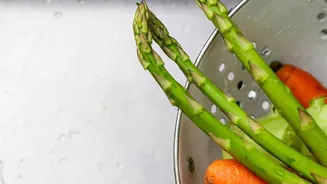
Properly washing produce is your best defence. Start by rinsing all fruits and vegetables under clean, running water to remove loose dirt. For items with firm skins, like cucumbers or apples, use a vegetable brush. For leafy greens, separate the leaves to ensure water reaches all surfaces. Many experts suggest an additional soaking step. You can soak vegetables for about 10-15 minutes in a bowl of water with a pinch of salt or a splash of vinegar. This can help dislodge stubborn germs and pesticide residues. After soaking, give them another thorough rinse under running water before cutting or cooking. Always use clean knives and chopping boards to prevent cross-contamination.
Beyond Washing: Sourcing and Storage
Food safety begins at the market. Choose produce that looks fresh, firm, and free from bruises, cuts, or signs of mould. Once home, storage is key. Food spoils much faster in humid weather. Store vegetables in breathable bags in the refrigerator to prevent moisture buildup and mould growth. It’s also wise to separate raw produce, especially meats, from cooked and ready-to-eat foods inside your fridge to avoid cross-contamination. Aim to consume fresh produce within a few days of purchase for the best quality and safety.