




The Reason: India's Largest Annual Pilgrimage
The primary reason for these extensive travel mandates is the Kanwar Yatra, India's largest annual religious pilgrimage, which takes place during the Hindu holy month of Shravan (Sawan). In 2026, the main yatra period is from July 30 to August 11. During
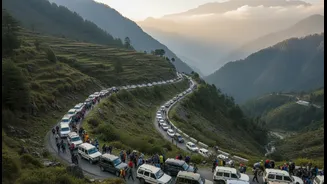
this time, millions of devotees, known as Kanwariyas, travel on foot from their hometowns to collect holy water from the Ganga river at places like Haridwar, Gaumukh, and Sultanganj. They then walk back to offer the water at their local Shiva temples. With an estimated four crore pilgrims participating in 2025, managing the movement of both pilgrims and regular traffic becomes a massive logistical and security challenge for state administrations. To ensure the safety of the Kanwariyas, who occupy major national highways, authorities implement widespread road closures and traffic diversions.
Key Affected Cities and Corridors
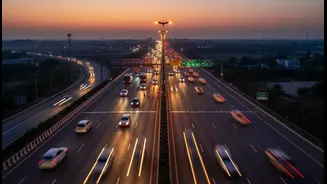
While the headline mentions 'capital cities', the restrictions are most concentrated in North India, impacting the National Capital Region (NCR) and state capitals like Dehradun. The main artery affected is National Highway 34 (formerly NH-58), the corridor connecting Delhi/Ghaziabad to Meerut, Muzaffarnagar, Roorkee, and Haridwar. This is the primary route for a vast number of Kanwariyas. Consequently, travelers heading from Delhi-NCR towards Uttarakhand destinations like Rishikesh, Dehradun, and Mussoorie will face the most significant disruptions. Cities like Ghaziabad, Meerut, and even parts of Delhi see major traffic management schemes, with police from Delhi and neighboring NCR districts coordinating efforts to manage the flow.
Understanding the Vehicle Restrictions
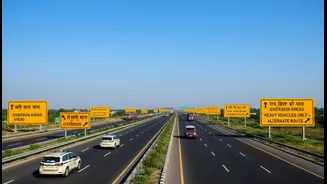
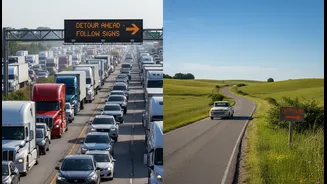
The restrictions are typically phased, intensifying as the yatra peaks. The peak period for 2026 is expected to be from August 7 to August 11. During this time, expect entire stretches of highways to be closed to regular traffic. For instance, the main Delhi-Haridwar corridor may be shut down for all vehicles except those of pilgrims. Even the new Delhi-Dehradun Expressway may face closures for general traffic during these peak days. Heavy goods vehicles are often the first to be banned or diverted to peripheral expressways. As the pilgrimage intensifies, these restrictions extend to light motor vehicles, including private cars and buses, which are rerouted onto longer, alternative paths. In Delhi itself, specific entry points like the Kalindi Kunj bridge and stretches along the Ring Road often face lane closures or full diversions to accommodate Kanwariya camps and movement.
What to Expect at Entry Checks
The "entry checks" are part of the broader traffic management plan. Police will be heavily deployed at state borders and key intersections to enforce the diversions. Checks will primarily focus on redirecting non-essential and unauthorized vehicles away from the restricted Kanwar routes. Police will guide commuters towards designated alternate routes. These are not security checkpoints in the traditional sense, but rather traffic control points. Expect to be stopped and asked about your destination. If your travel is not deemed essential or if your vehicle type is restricted, you will be rerouted. It is crucial to follow the directions of traffic police and consult official advisories before starting your journey.
Tips for a Smoother Journey
The best advice from officials and travel experts is to avoid road travel on the main Delhi-Uttarakhand corridor during the peak period of roughly August 7-12, 2026. If travel is unavoidable, plan your trip before July 30 or after August 13. For those who must travel during the yatra, consider alternatives to driving. Taking a train or flying into Dehradun’s Jolly Grant Airport can help you bypass the road chaos entirely. If you must drive, use alternative routes such as via Panipat and Saharanpur, and add several hours to your estimated travel time. Always check for the latest traffic advisories issued by the Delhi, UP, and Uttarakhand police before you leave home, as routes and restrictions can change based on the real-time flow of pilgrims.