






The Silent Damage of Waterlogging
When your garden beds are saturated for extended periods, the spaces in the soil that normally hold air fill with water. This creates an anaerobic (oxygen-free) environment. Most of the beneficial bacteria, fungi, and other microorganisms that your plants
depend on are aerobic, meaning they need oxygen to survive. Within 24 to 72 hours of waterlogging, these vital microbes can be severely depleted or die off completely, disrupting the soil's entire ecosystem. This loss of microbial life hinders nutrient cycling, making it difficult for plant roots to absorb what they need. The result is often yellowing leaves, wilting, and root rot, symptoms that ironically mimic drought stress.
Step 1: Assess and Allow to Dry
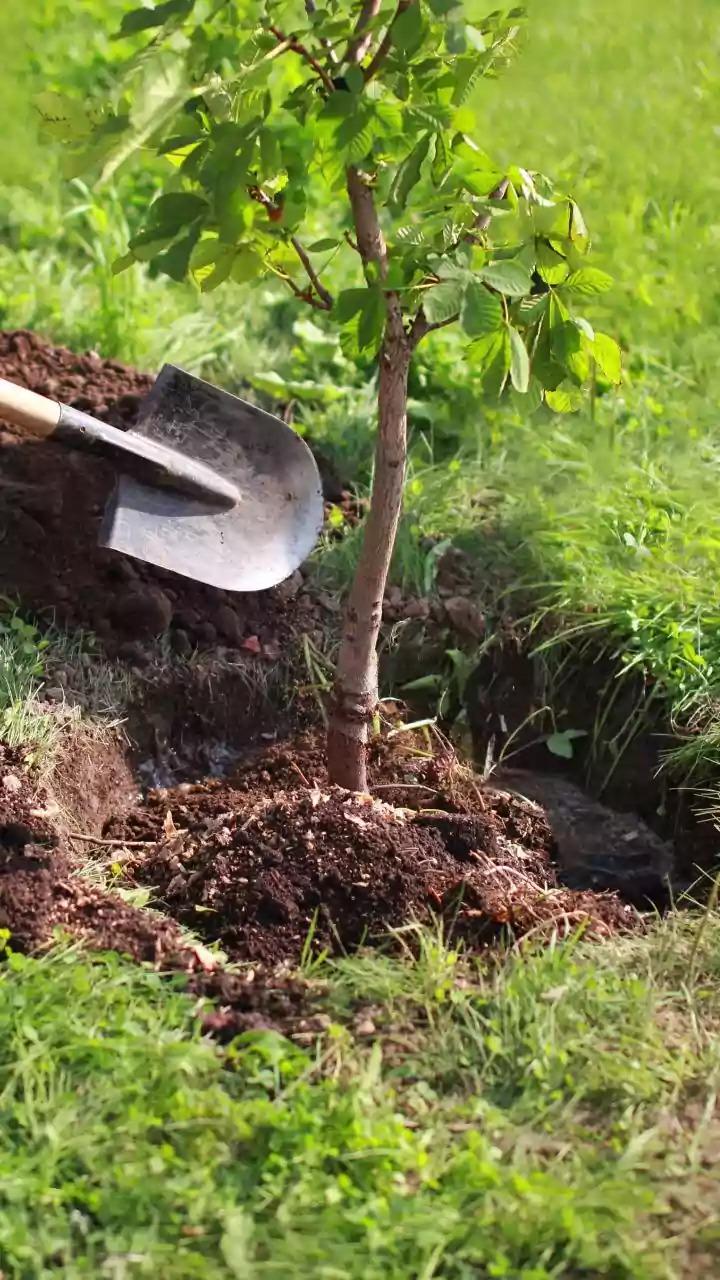
The first rule after a flood is patience. Do not walk on saturated soil, as this will compact it further, squeezing out any remaining air pockets and making recovery harder. Assess the extent of the damage. Are there areas where water is still standing? If so, you may need to dig a temporary trench or furrow to help channel the excess water away. Check the soil by digging a small test hole; if water seeps in, it's still too wet to work. Give the soil time to drain and dry to a damp, workable consistency. Wait a day or two after heavy rain before attempting any significant intervention. During this time, remove any surface debris or dead plants that may have started to rot.
Step 2: Aerate and Amend the Soil
Once the soil is no longer saturated, the next step is to reintroduce air. This process is called aeration. For garden beds, you can gently use a garden fork to prick the surface of the soil, lifting it slightly without turning it over completely, which can further damage the fragile soil structure. This simple action creates channels for oxygen to penetrate deeper. Immediately after aerating, it's time to amend. The single most effective way to restore soil structure and health is by adding organic matter. Generously apply a layer of two to four inches of high-quality, well-rotted compost over the entire affected area. Compost works by binding soil particles into aggregates, creating the perfect balance of air and moisture retention.
Step 3: Reintroduce Microbial Life
That layer of compost is your first and best tool for reintroducing a diverse population of beneficial microbes. Good compost is teeming with the bacteria and fungi your soil has lost. To further boost this process, you can top-dress with other microbe-rich materials like worm castings or leaf mould. These amendments act as both a food source for surviving microbes and an infusion of new ones. While many commercial microbial inoculants are available, starting with rich organic matter is the most proven, long-term solution. Finally, apply a layer of organic mulch, like wood chips or straw, on top. However, use mulch cautiously if the soil is still very damp, as it can slow drying. In wet seasons, you might pull mulch back temporarily from the base of plants.
Building Future Resilience
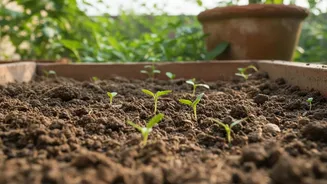
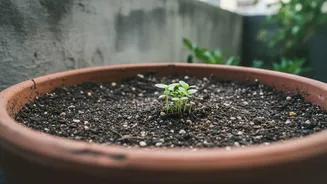
To prevent future devastation, consider long-term strategies. If certain parts of your garden are consistently waterlogged, you might build raised beds to lift plant roots above the saturated zone. Improving soil with organic matter should be an ongoing process, not just a one-time fix. When it comes time to replant, consider species that are more tolerant of wet conditions. In India, plants like Canna Lily, Swamp Hibiscus, and Rain Lily are well-adapted to handle monsoon moisture. Even hardy favourites like Jasmine and Marigolds can perform well in humid, well-drained monsoon gardens. For indoor or balcony gardens, Peace Lilies and Snake Plants are excellent choices that thrive in the higher humidity of the rainy season.