





What Exactly Is ‘Swicy’?
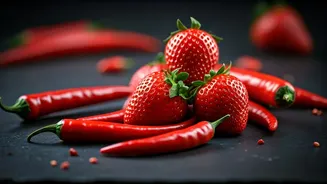
‘Swicy’ is a portmanteau of 'sweet' and 'spicy', and it describes a flavour profile that intentionally balances both tastes. While the combination itself isn’t new—cuisines across the world have celebrated it for centuries—the term ‘swicy’ has rebranded
it into a mainstream global trend. This isn't just about adding chilli to a sweet dish; it's about creating a layered flavour experience where sweetness mellows the heat, making the spice more approachable and, for many, more addictive. Driven by social media and an adventurous spirit among younger consumers like Gen Z and Millennials, the trend is being embraced by restaurants and food brands worldwide, with sweet-spicy offerings reportedly appearing on 38% more menus in the past year. This surge in popularity shows a growing appetite for bolder, more complex flavours.
The Science Behind the Sensation
The appeal of ‘swicy’ isn’t just a matter of taste; it’s rooted in brain chemistry. The compound that makes chillies hot, capsaicin, triggers pain receptors on the tongue. In response, the brain releases endorphins, the body's natural painkillers, and dopamine, which is associated with pleasure. This creates a sense of a 'spicy high'—a mild, euphoric rush. When sweetness is introduced, it coats the taste buds and tempers the intensity of the capsaicin. This balance makes the spicy flavour more accessible without eliminating the pleasurable thrill, creating a compelling push-pull effect that keeps you coming back for another bite.
An Old Staple in the Indian Kitchen
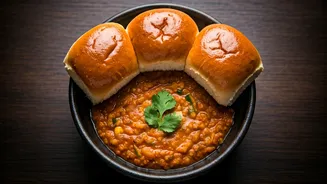
Long before ‘swicy’ became a buzzword, the flavour profile was a cornerstone of Indian cuisine. The quintessential Indian street food, chaat, is the original superstar of the sweet and spicy world. Dishes like bhel puri and sev puri masterfully combine the sweetness of tamarind chutney with the sharp heat of green chilli chutney. Many regional cuisines also champion this combination; Gujarati food, for instance, often features sweet undertones to balance its spices. The concept of a ‘chatpata’ flavour—a mix of sweet, sour, and spicy—is a familiar and beloved part of the Indian palate. This deep-rooted tradition gives the global ‘swicy’ trend a distinctly familiar feel in India, even as it appears in new and modern forms.
The Trend Takes Over: From Hot Honey to Chilli Chocolate
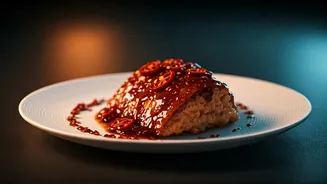
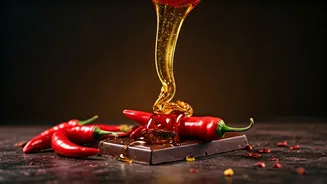
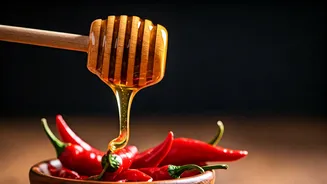
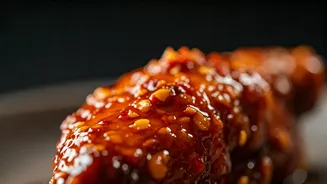
The ‘swicy’ trend is manifesting in a variety of creative products. One of the biggest stars is hot honey—honey infused with chillies—which has exploded in popularity globally and is now gaining a foothold in India. It's being drizzled on everything from pizza and fried chicken to cheese boards. Another viral sensation is adding chilli oil or chilli crisp to vanilla ice cream, a trend that began on social media and even led to a limited-edition offering from McDonald's in China. In India, chocolatiers are experimenting with flavours like bhut jolokia chilli. Meanwhile, chefs and home cooks are creating everything from honey chilli paneer to spicy mango salsa and even chilli chocolate ladoos.
How to Ride the ‘Swicy’ Wave at Home
Embracing the ‘swicy’ trend at home is simple. You can start by making your own hot honey by gently simmering honey with your favourite dried chillies and a splash of vinegar for tang. Try drizzling it over roasted vegetables, pakoras, or even a simple cheese toast. Experiment by adding a pinch of chilli powder to your hot chocolate or aam panna. You can also explore ready-made products that are tapping into this trend, such as spicy chutneys, Schezwan sauce, and chilli-infused dark chocolates. The key is to find a balance that works for you, creating a flavour experience that is both comforting and exciting.