





A New Space Race Fueled by Private Enterprise
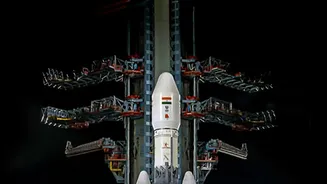
For decades, the Indian Space Research Organisation (ISRO) was the sole driver of the nation's celestial ambitions. However, a pivotal shift is underway. Following the Indian government's decision to open the space sector to private players in 2020, the industry
has experienced explosive growth. The number of space startups has surged from just a handful to over 400, attracting significant investment and creating a vibrant ecosystem of innovation. This policy change, coupled with the establishment of regulatory bodies like IN-SPACe to facilitate public-private partnerships, has set the stage for companies to move beyond supplying components for ISRO and start developing their own end-to-end missions. The goal is to transform India's space economy, projected to grow from around $8 billion to over $40 billion by 2033, by letting private ingenuity lead the charge in commercial space activities.
The Innovators Building India's Lunar Fleet
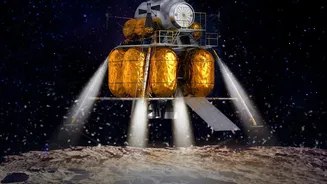
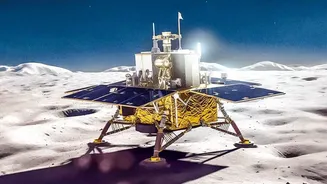
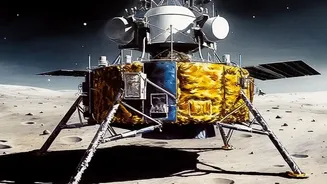
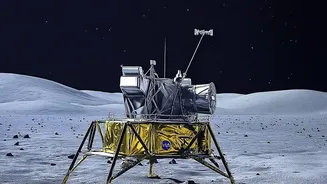
At the forefront of this commercial push are companies that once aimed for the Google Lunar XPRIZE and are now leveraging that experience for new commercial ventures. One of the pioneering names is TeamIndus, now operating as Axiom Research Labs. Their initial goal was to land a rover, affectionately named 'Ek Choti Si Asha' (ECA), on the moon as part of the competition. Though the prize went unclaimed, the expertise gained was invaluable. These efforts have continued, with plans evolving to serve the growing commercial lunar payload market. Another key player, ORBITBeyond, is establishing a major space systems center in India to design and manufacture lunar landers and rovers, drawing on the experience of engineers from the Chandrayaan and Israeli Beresheet missions. These firms are no longer just dreaming; they are building the hardware for a sustained presence in the cislunar economy.
What Makes a Rover 'Low-Cost'?
The phrase 'low-cost' is central to the business model of these startups. The original Apollo-era lunar rovers cost the equivalent of hundreds of millions of dollars today. Indian startups are slashing these costs through several key strategies. A major factor is the lower cost of highly skilled engineering talent in India compared to the West. Additionally, many are adopting a modular design philosophy, using standardized parts that can be easily adapted for different missions, much like the 'CubeSat' revolution in miniature satellites. Companies like Astrobotic in the US have shown that small, modular rovers, some weighing as little as four kilograms, can drastically reduce launch costs. Indian startups are embracing a similar ethos, focusing on smaller, lighter rovers and leveraging commercially available off-the-shelf components where possible, rather than designing every single part from scratch for the harsh space environment. This approach significantly shortens development timelines and budgets.
The Road Ahead: Challenges and Opportunities
The path to the moon is paved with challenges. Securing consistent growth-stage funding remains a significant hurdle for Indian spacetech startups, which need capital to scale from prototypes to flight-ready hardware. The lunar environment itself is unforgiving, with extreme temperatures, radiation, and abrasive dust that can cripple robotic systems. However, the opportunities are immense. A market for lunar payload services is rapidly emerging, driven by space agencies like NASA and private companies wanting to conduct scientific research, test technologies, and prospect for resources like water ice. By providing reliable and affordable mobility on the lunar surface, Indian startups can capture a significant share of this burgeoning market. Their rovers can serve as platforms for a wide range of payloads, from scientific instruments to commercial mining equipment, effectively becoming the 'last-mile delivery' service on the Moon.