








1. Smart Gyms and Connected Equipment
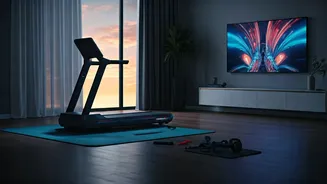
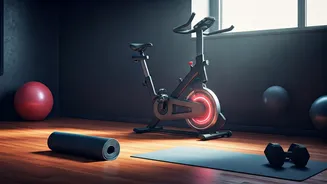
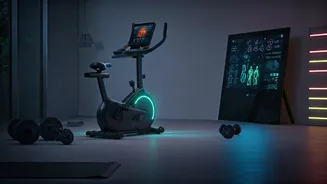
The most visible trend is the rise of intelligent, connected fitness equipment. Think Peloton bikes, Tonal’s digital weight system, and the Lululemon Studio Mirror. These aren't just static machines; they are portals to live classes, on-demand libraries,
and virtual communities. The appeal is multi-faceted. First, there’s the convenience of a premium, studio-quality workout without the commute. Second, the data-driven feedback is highly motivating. These devices track your progress, measure your output, and adjust difficulty in real-time, offering a level of personalisation that was once reserved for personal trainers. While the initial investment can be high, many users find the long-term value in a system that constantly evolves with new content and features, keeping their routines fresh and engaging.
2. Gamification: Making Fitness Fun
What if your workout felt less like a chore and more like a game? That’s the core idea behind gamification in fitness. Apps like Zwift turn indoor cycling and running into a massive multiplayer online game, where you can ride through virtual worlds and compete against others. Fitness apps are increasingly incorporating game-like elements such as points, badges, leaderboards, and daily streaks to foster friendly competition and a sense of accomplishment. This psychological hook is incredibly powerful. By tapping into our innate desire for reward and progress, gamified fitness keeps users consistent. It reframes exercise as a form of entertainment, making it easier to build a sustainable habit.
3. The Rise of Low-Impact Workouts
Not every workout needs to be a high-impact, sweat-drenched ordeal. There's a growing appreciation for low-impact exercises like Pilates, yoga, and barre, which have exploded in popularity on digital platforms. These workouts focus on building core strength, improving flexibility, and enhancing muscle tone without putting excessive stress on the joints. This makes them accessible to a wider range of people, including those recovering from injury, beginners, or anyone looking for a more sustainable form of movement. Digital platforms offer endless variations, from 15-minute express Pilates sessions to hour-long restorative yoga flows, allowing users to fit these powerful workouts into their day on their own terms.
4. Holistic Wellness and Recovery Tech
The modern approach to fitness understands that gains aren't just made during the workout; they're solidified during recovery. This has led to a boom in wellness and recovery tech designed for home use. Percussive therapy devices like Theragun and Hyperice have become mainstream, helping to relieve muscle soreness and improve mobility. Similarly, sleep-tracking wearables and mindfulness apps like Calm and Headspace are now seen as essential parts of a fitness toolkit. This holistic trend acknowledges that physical health is inextricably linked to mental well-being and proper rest. People are no longer just tracking their steps; they’re monitoring sleep quality, heart rate variability (HRV), and stress levels to build a complete picture of their health.
5. The Hybrid Fitness Model
Dominance doesn't mean exclusivity. For many, the future of fitness isn't strictly at home *or* at the gym—it's both. The hybrid model is emerging as the most practical and sustainable solution. People are using their home setups for daily consistency and convenience, then visiting a gym, studio, or sports club for community, specialised equipment, or social motivation. This 'best of both worlds' approach allows for ultimate flexibility. You might do a 30-minute yoga flow at home on Tuesday, join a high-intensity group class at the gym on Thursday, and go for a run with a friend on Saturday. This trend acknowledges that our fitness needs can change from day to day, and the ideal routine is one that adapts with us.