

From Niche Sport to Mainstream Workout
Originally developed in Finland as a summer training method for cross-country skiers, Nordic walking has long been a secret of the seriously fit. It involves walking with specially designed poles, using a technique that propels you forward and engages
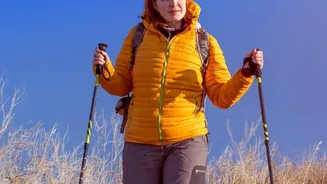
your upper body just as much as your legs. Unlike regular walking, this turns a simple stroll into a full-body workout that engages over 90% of your muscles. In recent years, it has gained significant traction worldwide, appealing to a broader audience seeking low-impact, cost-effective, and highly efficient exercise. The appeal lies in its powerful combination of benefits: it burns significantly more calories than regular walking, improves posture, and is gentle on the joints, making it accessible to all ages and fitness levels.
Why It's a Perfect Everyday Exercise
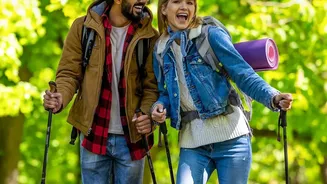
The growing popularity of Nordic walking isn't just a trend; it's a response to a collective desire for accessible wellness. It provides a robust cardiovascular workout while also strengthening the core, back, chest, and arms. This makes it far more effective than simply walking, yet it doesn't feel dramatically harder because the effort is distributed across the entire body. For those with joint concerns or balance issues, the poles offer added stability, making it a safer alternative to running. This unique profile—high-intensity results with low-impact stress—makes it an ideal choice for anyone, from seniors looking to maintain mobility to fitness enthusiasts wanting a new challenge without the strain of high-impact sports.
The Myth of Complicated, Expensive Gear
One of the biggest hurdles for any new fitness activity can be the perceived cost and complexity of the equipment. For a long time, Nordic walking was seen as a sport requiring specialist, and therefore expensive, gear. This created a barrier, making it seem intimidating or exclusive. However, as it becomes a more mainstream, everyday activity, this perception is being dismantled. The reality is that getting started is surprisingly simple and affordable. You do not need a wardrobe full of technical apparel or the most advanced carbon-fibre poles on the market. The shift toward accessibility means the focus is now on getting moving, not on acquiring professional-level kit.
Your Essential Kit: Poles and Good Shoes
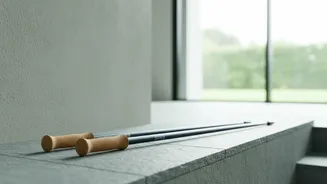
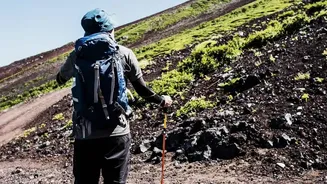
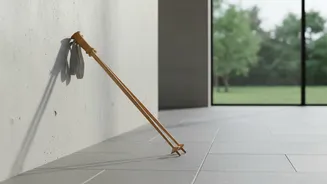
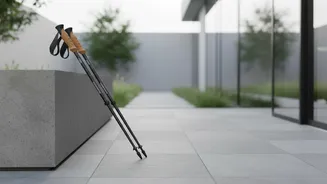
So, what do you actually need? The single most important piece of equipment is a pair of Nordic walking poles. It's crucial not to confuse these with trekking poles, which are designed for stability on uneven terrain rather than propulsion. Nordic walking poles have a distinct glove-like strap system that allows you to perform the correct push-off technique, where you essentially push the pole from the strap. Beyond the poles, the requirements are minimal. A pair of comfortable trainers or walking shoes with good flexibility and grip is essential. You don't need highly specialised footwear to begin with. As for clothing, light, breathable layers that allow for a full range of arm and shoulder movement are perfect. A small backpack for water is also a good idea, but the core essentials remain simple: poles and shoes.
Choosing Your First Poles
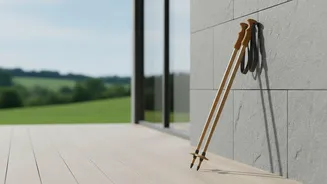
When buying your first set of poles, you don't need to break the bank. For beginners walking a couple of times a month, entry-level aluminium poles are perfectly sufficient and effective. More expensive carbon poles are lighter and absorb more vibration, but they are a better investment for those who walk regularly. Look for poles with the specific Nordic walking strap, as this is non-negotiable for proper technique. Many poles also come with removable rubber tips, often called 'paws', which are used for walking on hard surfaces like pavement and can be taken off for softer trails. You can find perfectly good starter pairs for around the same price as a new pair of running shoes, making the initial investment manageable for nearly everyone.