

In the world of Indian comfort food, Dalia and Khichdi reign supreme. Both are celebrated as wholesome, simple, and nourishing. But when it comes to nutrition, these two beloved one-pot meals offer surprisingly different benefits. Which one is for you?
The Contenders: What Are Dalia and Khichdi?
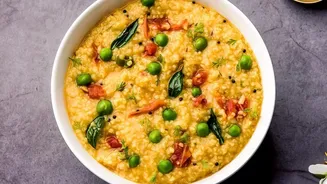
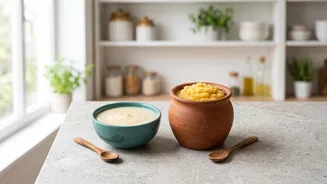
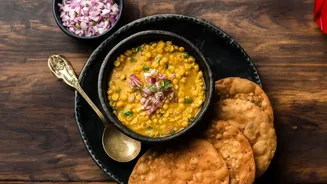
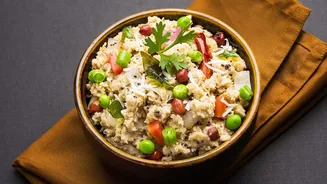
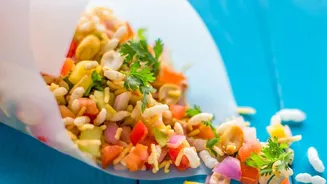
At first glance, Dalia and Khichdi might seem similar. Both are soft-cooked, easy to digest, and often the first choice for a light meal or during recovery from illness. However, their core ingredients set them on different nutritional paths. Dalia is made from cracked or broken wheat, a whole grain that retains its bran and germ. It's typically cooked into a savory or sweet porridge. Khichdi, on the other hand, is a versatile dish made by cooking rice and lentils (usually moong dal) together. This fundamental difference—whole wheat versus a rice-lentil combination—is the key to understanding their unique health advantages.
The Grain Story: Complex Carbs vs Simple Carbs
The primary component of Dalia is whole wheat, a complex carbohydrate. This means it is packed with dietary fibre. Khichdi traditionally uses white rice, which is a simpler carbohydrate with less fibre. This is a crucial distinction. Complex carbohydrates, like those in Dalia, are digested slowly. This leads to a gradual release of sugar into the bloodstream, providing sustained energy and keeping you feeling full for longer. While you can make Khichdi with brown rice or millets to increase its complexity, the classic preparation is simpler and digests more quickly.
Fibre, Fullness, and the Glycemic Index
This is where Dalia often takes the lead for those focused on weight management and blood sugar control. Thanks to its whole wheat base, Dalia is significantly higher in fibre. A 100g serving of raw Dalia contains around 10-12g of fibre. This high fibre content promotes satiety, which helps reduce overall calorie intake and prevents unnecessary snacking. Dalia also has a low Glycemic Index (GI), typically around 41-55, meaning it has a minimal impact on blood sugar levels, making it an excellent choice for diabetics. Khichdi made with white rice has a higher GI, although the presence of lentils helps to moderate the blood sugar response compared to eating rice alone.
The Protein Perspective: A Complete Combination
Khichdi shines when it comes to protein quality. The combination of rice (a cereal) and lentils (a pulse) creates a 'complete protein'. This means the dish contains all nine essential amino acids that the body cannot produce on its own, which is particularly valuable in vegetarian and vegan diets. Dalia, being just wheat, is not a complete protein on its own. While it contains a respectable amount of protein (around 12g per 100g raw), it needs to be combined with a lentil or dairy product to achieve a complete amino acid profile. Many people do this by making a 'Dalia Khichdi' with moong dal, effectively borrowing Khichdi's biggest strength.
Digestibility and Gut Health
For generations, Khichdi has been the go-to meal for an upset stomach, and for good reason. The combination of soft-cooked rice and moong dal is famously easy on the digestive system. It's light, requires minimal effort from the gut to break down, and provides gentle nourishment when the body is compromised. The spices often used, like turmeric and cumin, also have anti-inflammatory and digestive benefits. While Dalia is also considered healthy, its high fibre content, which is a benefit for many, can be challenging for someone with a very sensitive or inflamed digestive tract.
The Verdict: Which Bowl is Better?
There is no single winner; the best choice depends entirely on your personal health goals.
Choose Dalia if your priority is:
Weight Management: Its high fibre content promotes fullness and helps control appetite.
Blood Sugar Control: The low GI and complex carbs ensure a slow, steady release of energy.
Increased Fibre Intake: It's an excellent way to boost your daily fibre for better long term gut health.
Choose Khichdi if your priority is:
Easy Digestion: It's the ultimate comfort food for recovery or a sensitive gut.
Complete Plant Based Protein: The rice dal combination offers a full amino acid profile, ideal for muscle repair and growth.
A Soothing Restorative Meal: It provides balanced nutrition in a form that is gentle and easy for the body to assimilate.