



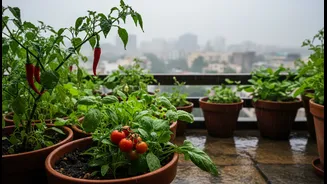
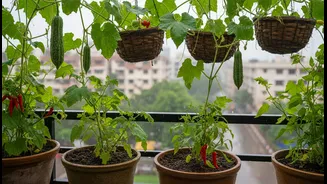
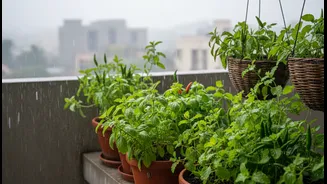


The Monsoon Paradox for Plants
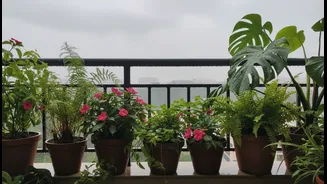
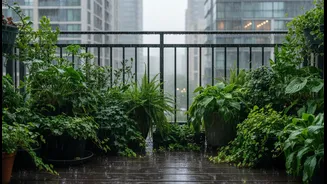
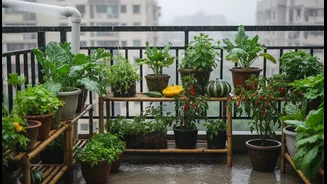
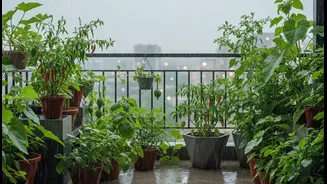
The monsoon season, running from roughly June to September in most of India, seems like it should be a plant's paradise. After the scorching summer heat, the rain offers a welcome respite. However, the reality for container plants on a balcony is more
complex. While rain is beneficial, the continuous downpours, high humidity, and reduced sunlight create a challenging environment. The biggest threat is overwatering, which leads to waterlogged soil. This suffocates the roots, preventing them from absorbing oxygen and nutrients, ultimately causing the dreaded root rot, one of the most common plant killers during this season.
The Tropical Plant Dilemma
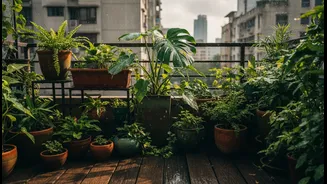
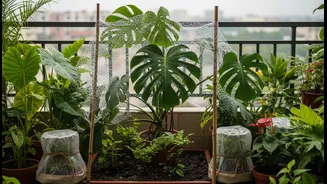
Many popular houseplants in Indian homes—from Monsteras and Philodendrons to Aglaonemas—are tropicals. While they are native to humid climates, they typically grow in the dappled light of a forest floor where the soil is well-draining. Replicating this on a balcony is tough. In a pot, these plants are vulnerable to the constant dampness of the monsoon. Their roots are not adapted to sitting in stagnant water. Furthermore, the high humidity, which they normally love, becomes a double-edged sword, creating the perfect breeding ground for fungal and bacterial diseases like powdery mildew, leaf spot, and blight.
The Wisdom of the Digital Community
This is where community garden forums come in. Platforms like Facebook, WhatsApp, and dedicated gardening apps have become the modern equivalent of the village square for plant lovers. These digital communities are thriving in cities like Bengaluru, Mumbai, and Pune, allowing thousands of gardeners to share experiences, trade tips, and troubleshoot problems in real-time. A new gardener can instantly access the collective wisdom of seasoned experts who have learned through trial and error. The checklist format is perfect for this exchange: it’s easily shareable, scannable, and provides a clear, actionable plan to tackle the specific challenges of the local climate.
The Essential Pre-Monsoon Checklist
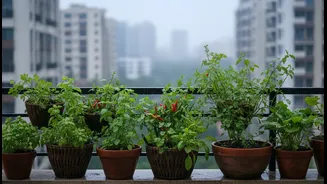
Forum checklists are all about preparation. Before the first heavy rains, members remind each other to: 1. Check Drainage: This is non-negotiable. Ensure every pot has clear drainage holes. If a pot is sitting flat on the floor, elevate it on bricks or pot stands to allow water to escape freely. 2. Prune and Trim: Cut back overgrown branches and remove dead or yellowing leaves. This improves air circulation around the plant, which helps foliage dry faster and reduces the risk of fungal growth. 3. Prepare the Soil: If you're repotting, use a well-draining mix. Adding perlite, sand, or cocopeat to your soil improves aeration and prevents it from becoming a dense, soggy mass. 4. Preventive Pest Control: Apply a gentle, organic fungicide or a neem oil spray on the leaves and soil before the monsoon sets in. This creates a protective barrier against common fungal diseases and pests that thrive in damp conditions.
Care During the Downpour
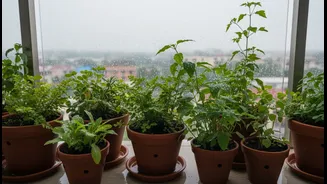
Once the rains have started, the advice shifts to maintenance. Key checklist items for this period include: 1. Water Wisely: Stop watering on autopilot. With frequent rain and high humidity, your plants will need much less water from you. Always check the soil first; if the top inch or two is dry, then it's time to water. Otherwise, let the rain do the work. 2. Provide Shelter and Support: Move more sensitive plants, like succulents, to a covered area to shield them from direct, heavy rain. Tall plants with weak stems may need to be staked to protect them from strong monsoon winds. 3. Inspect for Pests: Be vigilant. Snails, slugs, and fungus gnats love the damp environment. Regularly inspect leaves, stems, and the topsoil for any signs of infestation. 4. Ensure Sunlight: Cloudy days mean less light. If possible, move your plants to the brightest part of your balcony, like an east-facing spot that gets gentle morning sun.