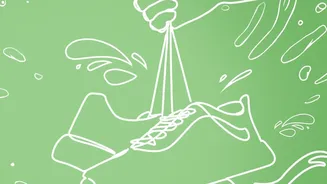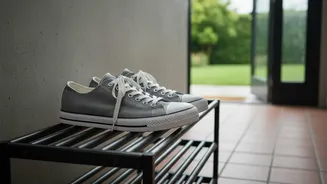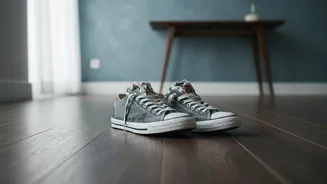



First, Prep Your Shoes
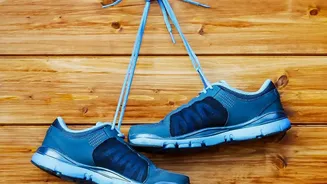
Before you begin the drying process, a little preparation goes a long way. First, if your shoes are muddy, give them a gentle clean. Use a soft brush and a mild detergent solution to scrub away any dirt or debris. Then, remove the insoles and laces. This
is a crucial step as it allows both the shoes and their components to dry separately and more thoroughly. Opening up the shoe by loosening the tongue and laces promotes better air circulation, which is essential for effective drying. This simple prep work ensures that you are not trapping dirt and moisture inside, which can lead to unpleasant smells and material damage.
The Classic Newspaper Method
This is a time-tested technique for a reason: it works. Newspaper is highly absorbent and excellent at wicking moisture from the inside of your shoes. Crumple up balls of newspaper and stuff them loosely but completely inside each shoe, making sure to reach the toe area. It’s best to avoid pages with heavy ink or coloured print for light-coloured interiors to prevent any transfer. Wrap the outside of the shoes in a dry towel to tackle external dampness. For very wet shoes, you will need to replace the newspaper every few hours as it becomes saturated. While this isn't the fastest method, it is gentle and helps the shoe maintain its shape as it dries.
Use a Fan for Faster Results
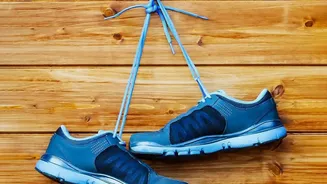
If you are short on time, a fan is your best friend. Cool, circulating air is one of the most effective and safest ways to speed up the drying process without risking damage. After prepping your shoes, place them in front of a table or floor fan. You can prop them up so the air flows directly inside. For an even better setup, you can use a wire hanger bent into an 'S' shape to hang the shoes from the fan's grill, allowing air to circulate all around them. This method can dry a pair of shoes in just a few hours, depending on how soaked they are.
Important: What to Avoid
Patience is key when drying shoes. Never use direct heat sources like a hairdryer, radiator, oven, or direct, intense sunlight. High heat can be catastrophic for footwear; it can cause leather to crack and become brittle, make synthetic materials warp, and damage the adhesives that hold the shoe together. Tossing your shoes in a clothes dryer is also a bad idea, as the tumbling can damage their structure and the heat can cause them to shrink or fall apart. Sticking to gentle, low-heat methods will preserve the life and fit of your footwear.
Special Care for Leather and Suede
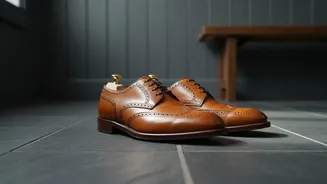
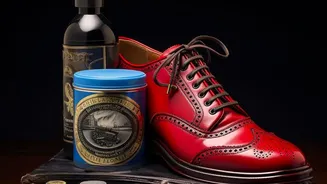
Different materials require different approaches. For leather shoes, slow and steady wins the race. After wiping them down, insert cedar shoe trees if you have them; they absorb moisture and help maintain the shoe's shape. Let them air dry naturally away from heat for at least 24 hours. Once fully dry, it's vital to apply a quality leather conditioner to restore the natural oils that the water stripped away. For suede, which is particularly delicate, blot moisture with a towel and stuff the shoes with paper. Let them dry completely, which can take up to two days, and then use a suede brush to restore the texture. Silica gel packets, often found in new shoe boxes, are also great for gently drawing moisture out of leather and suede.
Banish That Damp Smell
Even after drying, a lingering musty odour can be a problem. That smell is caused by bacteria that thrive in damp environments. To neutralize it, sprinkle a small amount of baking soda inside each dry shoe and leave it overnight. The baking soda will absorb any remaining moisture and odours. Simply vacuum or shake out the powder the next day. Another trick is to place a few dry tea bags or a small sachet of coffee grounds inside the shoes to absorb the unpleasant smell.