


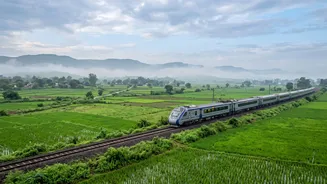
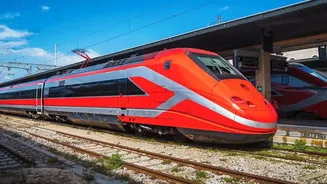
The Annual Festive Exodus
Mumbai, a city of dreams, is also a city of migrants. Come Diwali, a massive wave of people travels from the metropolis back to their hometowns across the country to celebrate with family. This annual exodus places an immense strain on the existing transport
infrastructure. Regular train services, despite the 120-day advance booking window, are often fully booked within minutes of opening. This leaves countless hopeful travellers on long waitlists, forcing them to consider expensive last-minute flights or arduous bus journeys. The demand far outstrips the supply, creating a bottleneck that defines the pre-Diwali period for many Mumbaikars.
What Exactly Are Special Trains?
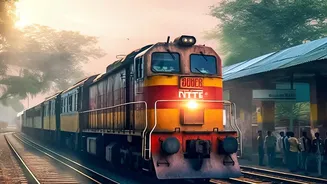
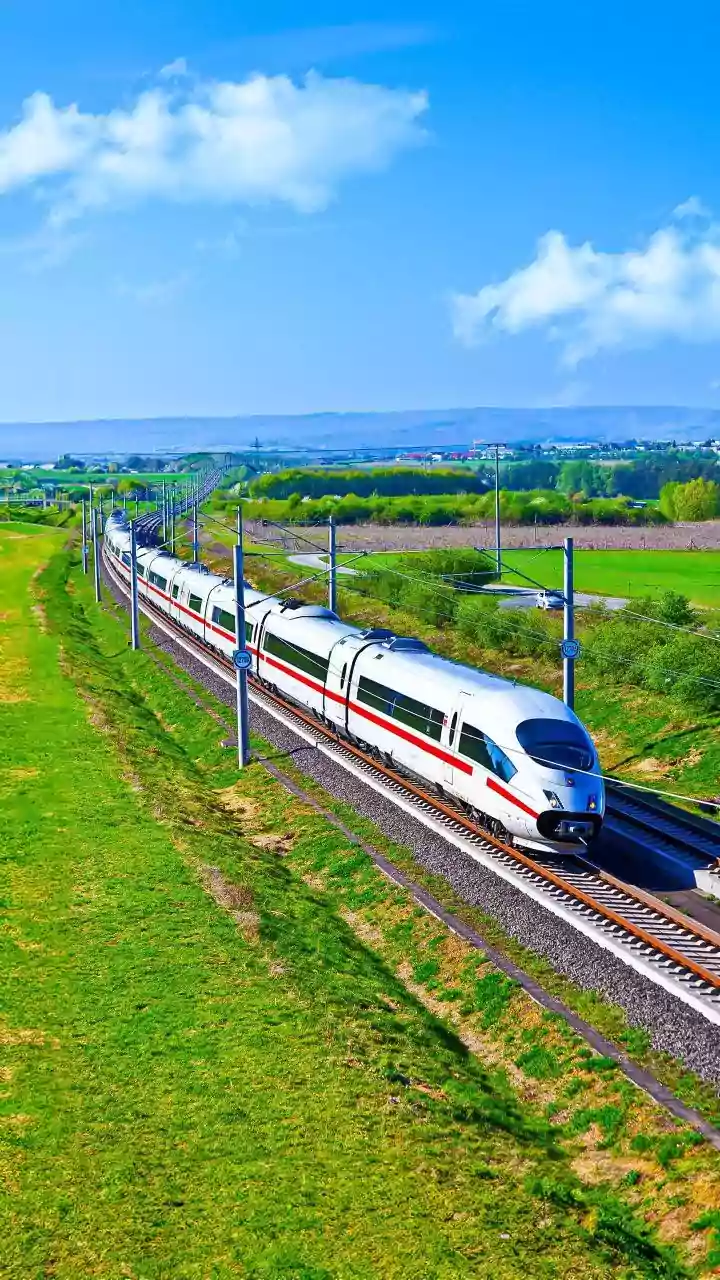
To combat this predictable surge, Indian Railways introduces 'Festival Special' trains. These are temporary, additional services planned specifically for high-demand periods like Diwali and Chhath Puja. Unlike regular scheduled trains which run year-round, these services are deployed dynamically based on demand forecasts from previous years and current booking trends. For 2026, Central Railway alone has announced 418 special services to manage the rush, connecting Mumbai with key destinations. These trains often have unique numbers, typically starting with a '0', and operate on flexible schedules to add capacity where it is needed most. They are a direct intervention by the railways to alleviate overcrowding and provide more travel options.
Connecting Mumbai to the Heartland
The primary focus of these special trains from Mumbai is to enhance connectivity to high-density corridors. For Diwali 2026, Central and Western Railways have announced services connecting Mumbai's major terminals like Chhatrapati Shivaji Maharaj Terminus (CSMT) and Lokmanya Tilak Terminus (LTT) to a host of destinations. Key routes include services to cities in Uttar Pradesh like Gorakhpur, Banaras, and Mau. There are also extensive services planned for destinations within Maharashtra, such as Latur, Nagpur, and Kolhapur, and to major southern hubs like Chennai and Bengaluru. Additionally, weekly specials to Kerala have also been announced, catering to the large Malayali community in Mumbai. This wide network ensures that passengers have more direct routes to their hometowns, reducing the need for multiple connecting journeys.
More Than Just an Extra Seat
The advantage of special trains extends beyond just increasing the number of available berths. They offer a crucial choice in a market often defined by scarcity. While special fares on these trains can be higher than regular services, they provide a much-needed alternative to the exorbitant surge pricing seen in air and bus tickets during the festive peak. The composition of these trains is also varied, offering a mix of AC 3-tier, Sleeper Class, and General Second Class coaches to cater to different budgets. By deploying these trains, the railways directly address passenger needs, ensuring that more people can travel home comfortably and safely. Furthermore, the authorities often bolster station infrastructure with measures like enhanced CCTV surveillance and designated holding areas to manage the crowds effectively.
Your Strategy for Securing a Ticket
Booking a spot on these special trains requires a proactive approach. Unlike regular trains, the booking window for these services is much shorter, often opening just 10 to 30 days before departure. Announcements are made zone by zone, so it's vital to monitor official sources. For the 2026 Diwali season, bookings for many of the special trains from Mumbai began on September 27th and 28th. To book, passengers should use the official IRCTC website, the IRCTC Rail Connect app, or authorised Passenger Reservation System (PRS) counters. It is advisable to have passenger details saved in the app beforehand to speed up the process. For real-time updates on train schedules and availability, travellers can check the National Train Enquiry System (NTES) portal.