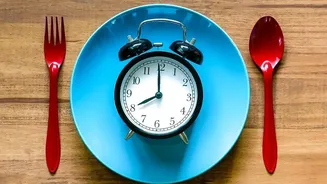







Your Body Runs on a Clock
Deep inside your brain is a “master clock” that coordinates your body's daily rhythms, known as circadian rhythms. This internal 24-hour cycle governs everything from your sleep-wake patterns to hormone release and body temperature. But it's not just
your brain; individual organs, including your stomach and intestines, have their own peripheral clocks. These clocks are designed to work in harmony, optimized for activity during the day and rest at night. When you work a night shift, you force your body to operate against this ancient, hardwired schedule, leading to a state of internal conflict known as circadian misalignment.
A 'Sleeping' Digestive System
One of the most significant rhythms is in your digestive system. During the day, your gut is active and prepared to efficiently process food. It secretes digestive fluids, gut motility is strong, and nutrient absorption is at its peak. At night, however, these functions naturally slow down as your body prepares for its fasting and repair phase. Eating a large meal at 2 AM is like ambushing a sleeping system. Your gut is simply not ready for it, which can lead to common complaints like bloating, gas, acid reflux, and constipation. Research shows that night shift workers report gastrointestinal problems at a much higher rate than their day-working counterparts, directly linking these issues to the mistimed food intake.
Beyond the Stomach: Metabolic Consequences
The problem with late-night eating goes deeper than just immediate discomfort. It has significant metabolic consequences. Studies have found that when people eat at night, their bodies struggle to manage blood sugar. One clinical trial found that night-shift participants who ate at night saw their glucose levels increase by 6.4%, a risk factor for developing diabetes. In contrast, the group that worked the same night shift but only ate during the daytime showed no such increase. This happens because eating at night can disrupt insulin sensitivity, making it harder for your cells to absorb glucose from your blood. Over time, this misalignment increases the risk for obesity, heart disease, and metabolic syndrome.
Syncing Your Meals With the Sun
The solution, as the headline suggests, is to realign your eating schedule with your body's natural daytime clock, even if your work schedule is nocturnal. This strategy is known as chrononutrition. By consuming the majority of your calories during daylight hours, you provide your digestive system with fuel when it is most prepared to handle it. This simple shift can prevent the blood sugar spikes associated with nighttime eating and reduce the immediate symptoms of stomach distress. Research confirms that this is a powerful intervention for mitigating the negative health effects of shift work.
A Practical Plan for Night Workers
Adopting this approach doesn't have to mean fasting for your entire shift. Health experts recommend a structured eating plan. Eat a substantial, balanced meal before your shift begins, treating it as your 'dinner'. If you get hungry during your shift, especially between the difficult midnight-to-6-AM window, opt for small, easily digestible, protein-rich snacks rather than a full, heavy meal. Good options include Greek yogurt, a hard-boiled egg, or a handful of nuts. After your shift ends in the morning, have a light meal before you go to sleep. This prevents you from waking up hungry but avoids tasking your body with a large digestive load when it should be resting.