





Goodbye Samosa, Hello Millet Khichdi
The Maharashtra Public Health Department has issued a Government Resolution (GR) that mandates a significant shift in the food served in all state government and semi-government office canteens, meetings, and official events. The directive calls for a gradual
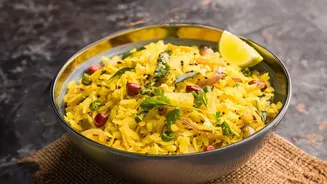
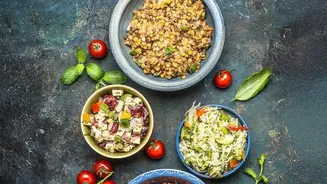
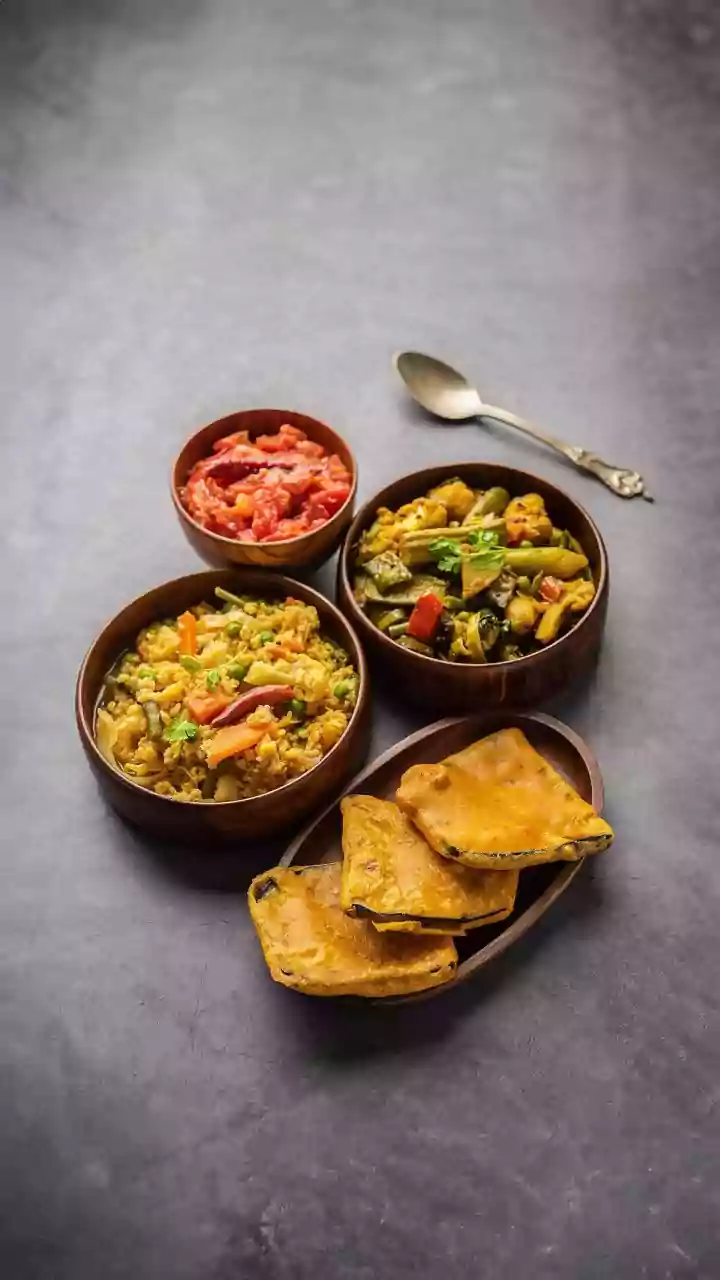
reduction of ultra-processed foods and items high in salt, sugar, and unhealthy fats. In their place, canteens are now required to serve healthier fare. For short meetings, this means options like seasonal fruits, boiled chickpeas, sprouts, vegetable poha, idli-sambar, and boiled eggs. For longer, full-day events, the menu suggestions are even more detailed, including traditional staples like jowar, bajra, or ragi bhakri, multigrain chapatis, hand-pounded rice, and dals. Beverages are also getting a makeover, with recommendations for coconut water, buttermilk, solkadhi, and unsweetened green tea.
A Prescription for Public Health
The primary driver behind this policy isn't just a matter of taste; it's a direct response to a growing public health crisis. The government has cited the rising incidence of non-communicable diseases (NCDs) such as diabetes, hypertension, heart disease, and obesity as a major concern. Health officials attribute this trend to increasingly sedentary lifestyles, workplace stress, and the widespread consumption of unbalanced, processed foods. By making nutritious food the default option in the workplace, the state aims to set a powerful example and actively promote a healthier lifestyle among its employees. The new menus are to be designed following guidelines from top national health bodies, including the Indian Council of Medical Research-National Institute of Nutrition (ICMR-NIN) and the Food Safety and Standards Authority of India (FSSAI), ensuring the changes are rooted in scientific dietary advice.
Reviving Traditional and Local Foods
Beyond the clear health benefits, the directive also serves a cultural and economic purpose. It represents a significant push to bring traditional Maharashtrian cuisine back to the forefront. By prioritizing items like millet-based bhakris, usal (sprouted legume curry), and solkadhi, the policy celebrates the state's rich culinary heritage. This move champions local grains and produce, which are often more nutritious and better suited to the local climate. Encouraging the use of millets like jowar, bajra, and ragi not only diversifies diets but also potentially supports local farmers who cultivate these traditional crops. The emphasis on locally available ingredients and seasonal fruits further reinforces this connection to the region's agricultural landscape, moving away from a one-size-fits-all, processed food model.
From Policy to Plate
Implementing such a sweeping change requires a clear plan. The Government Resolution mandates that all new catering contracts for government offices must include specific provisions for these healthy menus. To ensure compliance, the state plans to establish a menu inspection committee in each department to oversee the transition. A designated nodal officer will also be responsible for ensuring the order is followed. Some offices, like the main Mantralaya canteen in Mumbai, have already begun introducing these healthier options, reducing oily snacks and adding fruits, sprouts, and traditional meals to their daily offerings. Furthermore, to boost awareness, canteens will be required to display information about the nutritional content of the food being served, empowering employees to make more informed choices.