





Start with Forgiving Plants
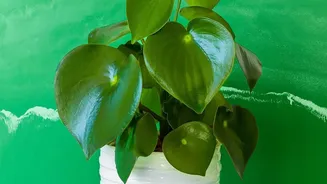
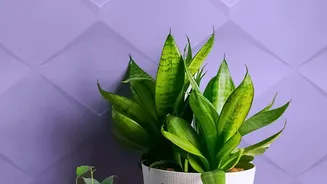
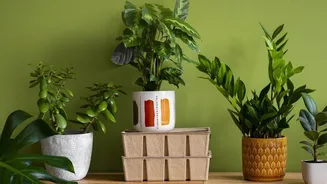
The first step to success is choosing a plant that can handle a bit of trial and error. Some houseplants are famously resilient and can tolerate a range of conditions, making them perfect for beginners. Consider starting with a Snake Plant (Sansevieria),
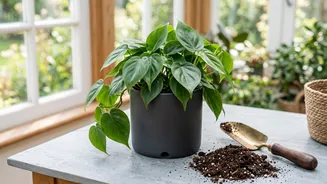
which thrives on neglect and needs very little water. Another great option is the Pothos (Epipremnum aureum), a trailing vine that is adaptable to different light levels and tells you when it's thirsty with a slight wilt. Other easy-care choices include the ZZ Plant, which is highly drought-tolerant, and the trusty Spider Plant, known for being incredibly easy to grow. Starting with one of these forgiving varieties can build your confidence as you learn the ropes of plant parenthood.
Master the Art of Watering
Overwatering is the most common mistake made by new plant owners. Plant roots need oxygen as much as they need water, and constantly wet soil can lead to suffocation and root rot. Instead of watering on a rigid schedule, check the soil first. A simple trick is to stick your finger about two inches into the soil; if it feels dry at that depth, it's time to water. When you do water, do it thoroughly. Pour water slowly and evenly over the soil surface until it begins to drain out of the bottom of the pot. After about 30 minutes, be sure to empty any excess water from the saucer, as letting a plant sit in water is a common cause of problems.
Provide the Right Amount of Light
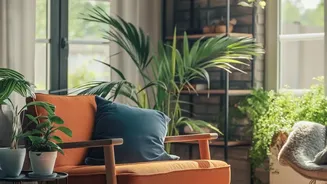
Light is food for plants, but not all light is created equal. It's crucial to match your plant to the light conditions in your home. 'Low light' doesn't mean no light; it simply refers to a spot away from a window that receives no direct sun. 'Bright, indirect light' is the sweet spot for most common houseplants, like Pothos and Monsteras. This means a location near an east-facing window or a few feet back from a sunny south- or west-facing window, where the sun's rays don't hit the leaves directly. Plants that need 'high light', such as succulents and cacti, require at least six hours of sun exposure. Observe your plant—if it's stretching towards the window with long gaps between leaves, it likely needs more light.
Choose the Perfect Home (Pot & Soil)
The right container and soil are foundational to a healthy plant. The single most important feature of any pot is a drainage hole. Without it, excess water has nowhere to go, which is a leading cause of root rot. When it comes to material, porous pots like terracotta are great for plants that prefer to dry out between waterings (like succulents) because they allow air and moisture to pass through. Plastic or glazed ceramic pots retain more moisture, making them suitable for plants that like to stay consistently moist, such as ferns. Also, avoid using soil directly from your garden, as it's too dense for containers and can carry pests. Instead, use a quality potting mix designed for indoor plants, which is lightweight and ensures good aeration.
A Little Food Goes a Long Way
While soil provides some nutrients, most houseplants benefit from a little extra food during their growing season, which is typically spring and summer. Think of fertilizer as a vitamin supplement rather than a main meal. For most common houseplants, a balanced liquid fertilizer diluted to half-strength every few weeks is sufficient. During the fall and winter, most plants enter a dormant period and their growth slows down, so you can reduce or stop fertilizing altogether. Always read the instructions on the product, as over-fertilizing can burn the roots and do more harm than good. A simple, consistent approach is far better than an occasional, heavy-handed one.