



A Monsoon Ritual Goes Viral
There's a deeply ingrained connection between the first rains and a desire for something hot, fried, and comforting. [4] This season, that cultural phenomenon is playing out in high definition on social media. Indian food vloggers and content creators
are tapping into this collective craving, dedicating their recent videos to the art of the perfect pakora. [16] It's a simple, nostalgic pleasure that makes grey days brighter, and watching someone fry a batch to golden perfection is almost as satisfying as eating one. [4, 7] This digital trend isn't just about food; it's about shared memory and the comforting aroma of spices and gram flour that signifies home, family, and the joy of a rainy day. [4, 8]
The Anatomy of a Perfect Pakora
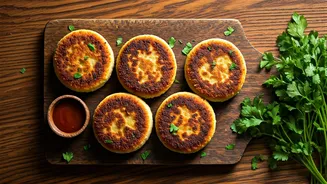
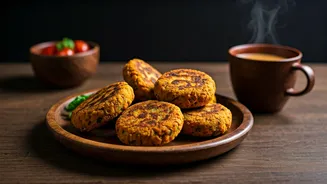
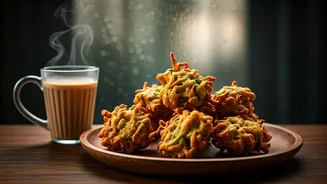
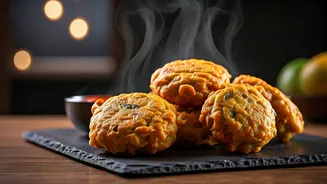
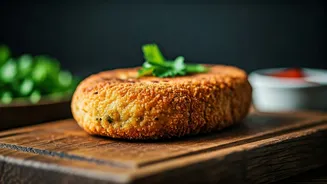
What are these vloggers focusing on? The ultimate crispiness. A great pakora must be light and airy, not dense or doughy like some restaurant versions can be. [2] The goal is a craggy, uneven fritter where the vegetables are the star, held together by a light, crunchy coating. [2, 11] The consensus online is that the secret begins with the batter. Too much gram flour (besan) leads to a heavy, floury result. [2] The trick, demonstrated in numerous videos, is to use just enough batter to coat the vegetables, allowing them to release their own moisture, which in turn flavours the mix. [14, 22] This vegetable-forward approach ensures every bite is full of flavour and texture.
Secrets to Unlocking the Crunch
Across the board, the number one tip for achieving that signature crunch is the addition of rice flour or cornstarch to the besan. [5, 6] Many creators swear by a ratio of two parts gram flour to one part rice flour for a coating that stays crispy long after frying. [5] Another widely shared secret involves the temperature of the ingredients. Using cold or even ice water for the batter helps create a lighter, crispier texture when it hits the hot oil. [2, 6] Some experienced cooks even add a spoonful of hot oil directly into the batter just before frying; a technique said to make the pakoras lighter and prevent them from absorbing too much oil. [3, 10] Finally, don't overcrowd the pan. Frying in small batches ensures the oil temperature remains high and consistent, which is crucial for a non-greasy, perfectly golden finish. [6, 14]
Beyond Potato and Onion
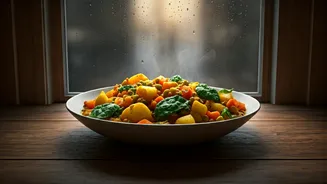
While the classic onion (kanda bhaji) and potato pakoras remain eternal favorites, today's cooking vlogs are showcasing incredible variety. [7, 9] The beauty of the pakora is its versatility, and creators are encouraging viewers to experiment. Finely sliced cabbage, grated carrots, chopped spinach, and even small cauliflower florets are making regular appearances. [11, 14] These additions not only add nutrients but also contribute different textures and flavours. Some adventurous cooks are even using paneer, bell peppers, or eggplant. [9, 11] The principle remains the same: as long as the vegetable is chopped or sliced thinly enough to cook through, it's fair game for a pakora. [2]
The Perfect Pairing
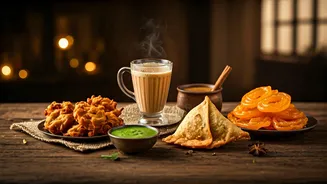
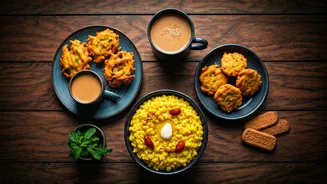
No discussion about pakoras is complete without mentioning their essential companions: chai and chutney. A steaming cup of masala chai is the pakora's traditional partner, a combination that evokes a sense of pure bliss for many. [4, 9] The vlogs often end with a shot of the finished pakoras served alongside a vibrant green chutney and a sweet tamarind chutney. These dips cut through the richness of the fried snack, adding layers of fresh, spicy, and tangy flavour. Making these simple chutneys at home elevates the entire experience from a simple snack to a complete and satisfying treat.