


A Treasure of the Rains
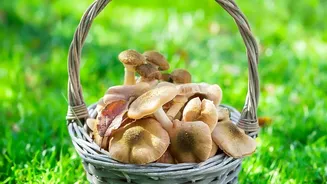
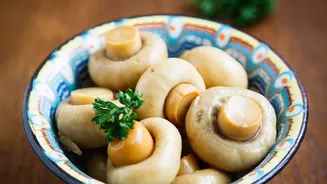
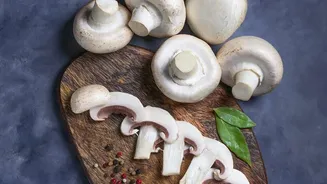
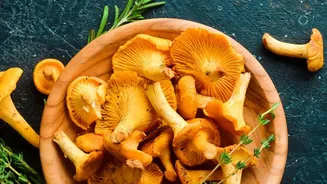
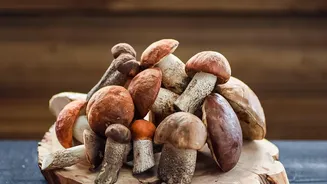
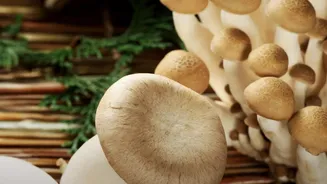
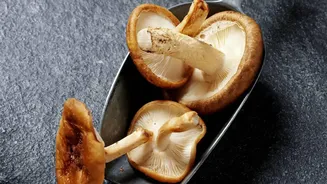
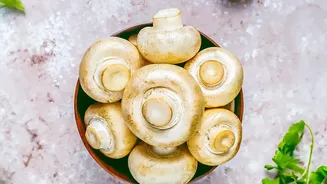
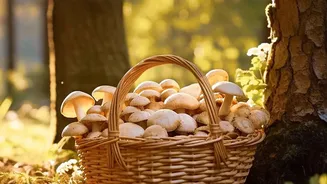
Forget the button and oyster mushrooms available year-round. The monsoon heralds the arrival of special, wild varieties that cannot be commercially cultivated. These mushrooms pop up for a very limited time, making them a sought-after seasonal delicacy.
In Goa, they are called 'Olmi' or 'Alami' and grow on termite mounds, earning them the name Termitomyces. In Jharkhand, the meaty 'Rugda' is found near Sal trees, while the Himalayas yield the prized 'Gucchi' (morels). Each region has its own local hero, with unique names, shapes, and flavours, traditionally harvested by indigenous communities with generations of knowledge. This seasonality and rarity are a huge part of their growing appeal.
The Pull of Local and Traditional
There's a growing movement across India to embrace hyperlocal and indigenous ingredients, and monsoon mushrooms fit perfectly into this trend. Chefs and home cooks are looking beyond mainstream produce to rediscover forgotten flavours and traditional recipes. These mushrooms are deeply rooted in regional cuisines; for instance, Goan families have cherished 'Olmi' in a traditional Xacuti curry for ages. This renewed interest is not just about nostalgia; it’s about celebrating India's immense biodiversity and supporting local economies and farmers who bring these products to market. Using ingredients that are naturally available in the region is seen as a way to create more authentic and flavourful dishes.
A Boost for Health and Wellness
In an era of heightened health consciousness, the nutritional profile of monsoon mushrooms is a major draw. Wild mushrooms are celebrated for being low in calories and fat while being packed with protein, fibre, vitamins, and minerals. Many varieties contain beta-glucans, which are known to help support the immune system and manage cholesterol. They are a fantastic source of umami, the savoury 'fifth taste', providing a deep, meaty flavour and texture that makes them a satisfying substitute for meat in many dishes. For those looking to eat healthier without sacrificing flavour, these seasonal fungi offer a delicious and nutrient-dense option.
How to Use Them in Your Kitchen
The culinary uses for monsoon mushrooms are as diverse as the regions they come from. Their earthy, and sometimes nutty, flavour elevates simple dishes. A popular preparation in many parts of India is a simple stir-fry or 'bhaji' with onions, garlic, and local spices that lets the mushroom's flavour shine. They are commonly used in rich, aromatic curries, like the Goan tonak or Jharkhand's 'Rugda' curry, which is prized for its meat-like texture. Some cooks enjoy them simply fried with a coating of rava (semolina) or added to rice dishes for a burst of flavour. The key is to keep it simple and let this seasonal star be the hero of the dish.
A Necessary Word of Caution
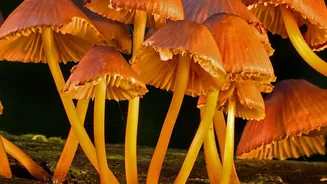
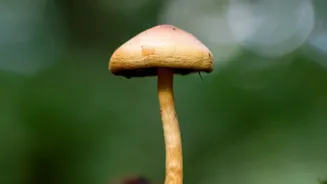
The allure of wild mushrooms comes with a critical warning: foraging is not a casual activity. Many poisonous mushrooms look strikingly similar to edible ones, and a mistake can be fatal. Cases of mushroom poisoning are reported every monsoon season. Indigenous communities possess invaluable knowledge passed down through generations to distinguish safe mushrooms from dangerous ones. For the average home cook, it is essential to source these mushrooms from trusted, experienced local vendors who can guarantee their safety. Never eat a wild mushroom unless you are 100% certain of its identity. When in doubt, always leave it out.