

Reading the Signs Your Plant Is Ready
Plants are excellent communicators, and they will tell you when they have outgrown their home. One of the most obvious signs is seeing roots emerge from the drainage holes at the bottom of the pot. This is a clear signal that the root system has hit every
wall and is searching for more space. Another clue is how the pot handles water. If you water your plant and the water runs straight through in seconds, it suggests there's more root than soil left to absorb moisture. Similarly, if the soil dries out extremely fast, forcing you to water every day or two just to keep the plant from wilting, the root-to-soil ratio is likely off. You might also notice that growth has slowed or stopped completely during the growing season, or that the plant is top-heavy and prone to tipping over. Any of these signs are a strong hint that it’s time to consider a bigger home for your plant.
The Goldilocks Rule: Not Too Big, Not Too Small
When you've decided to repot, the temptation can be to give your plant a massive new container to 'grow into'. However, this is a common and sometimes fatal mistake. The general rule of thumb is to choose a new pot that is only slightly larger than the old one. For smaller plants in pots 10 inches in diameter or less, select a new pot that is about 1 to 2 inches wider. For larger plants, you can go up by 2 to 3 inches in diameter. This modest increase provides fresh soil and nutrients without overwhelming the plant. The goal is to give the roots enough new territory to explore for the next year or two, not to get lost in a vast expanse of soil.
The Danger of 'Overpotting'
Putting a small plant into a very large pot—a practice known as 'overpotting'—can do more harm than good. The main problem is water management. A large volume of soil that is not yet occupied by roots will hold onto moisture for a long time. The plant's small root system simply can't absorb all that water quickly enough. This consistently wet, soggy soil creates a low-oxygen environment around the roots, which is the perfect breeding ground for fungal diseases and root rot. Ironically, a plant suffering from root rot can look like it's thirsty, with wilting, yellowing leaves. If an unsuspecting plant owner sees this and waters again, they only make the problem worse. By sticking to a modest size increase, you ensure the roots can colonise the new soil efficiently, maintaining a healthy balance of moisture and air.
What It Means to Be 'Root-Bound'
When a plant is left in a pot that’s too small for too long, it becomes 'root-bound'. This means the roots have completely filled the container and have started to circle around the inside, often forming a dense, tangled mat. To confirm, you must slide the plant out of its pot and look. A healthy root system will have visible roots, but you should also see a good amount of soil. A root-bound plant will look like it's mostly roots, holding the exact shape of the pot. This condition severely restricts the plant's ability to absorb water and nutrients, leading to stunted growth and poor health. When repotting a root-bound plant, it’s important to gently tease the circling roots apart with your fingers or even make a few shallow vertical cuts to encourage them to grow outwards into the new soil.
Does Pot Material Matter?
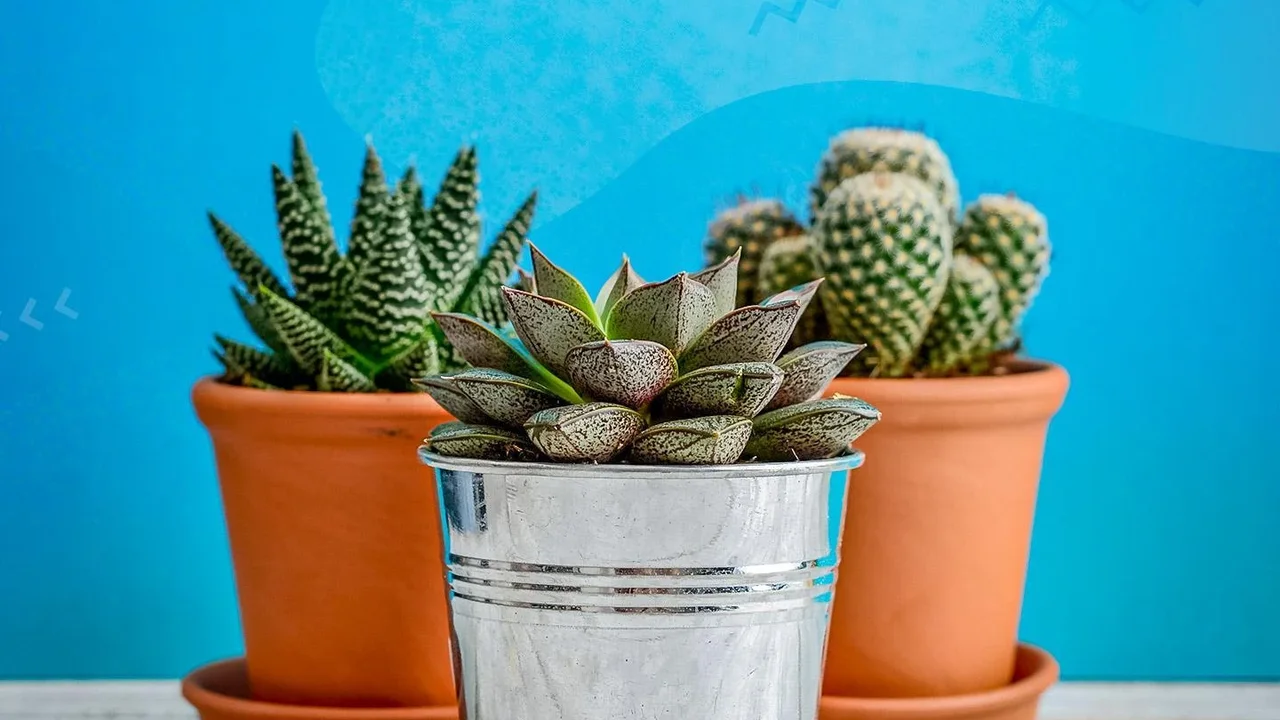
The material of your pot also plays a role in its relationship with size and water. The two most common options are terracotta (clay) and plastic. Terracotta is porous, meaning it allows air and water to pass through its walls. This causes the soil to dry out much faster, which is great for plants that are sensitive to excess moisture, like succulents and cacti, and for plant owners who tend to overwater. Plastic pots are non-porous, so they retain moisture for much longer. This makes them a good choice for thirsty plants or for gardeners who sometimes forget to water. Understanding this difference is key. A plant in a large terracotta pot will dry out faster than the same plant in a same-sized plastic pot. You should factor this in when choosing your pot size and adjusting your watering schedule after repotting.