








Start with a Deep Clean
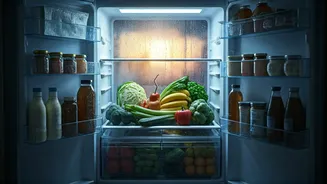
Before the rains set in, give your refrigerator a thorough cleaning. The monsoon's high humidity creates a breeding ground for mould and bacteria, and lingering food particles only make it worse. Unplug the unit, empty it completely, and discard any expired
items. Remove all shelves and drawers, washing them with warm, soapy water. For the interior, use a solution of white vinegar and water to wipe down every surface, as this helps kill bacteria and eliminate odours. Pay special attention to the rubber door gasket, where moisture and grime can accumulate. Use a cotton swab to clean inside its folds. Finally, dry every surface completely before putting everything back. A dry fridge is a clean fridge.
Check Seals and Set the Right Temperature
A faulty door seal is a major problem during the monsoon, as it allows humid air to enter, causing condensation and making your fridge work harder. You can test the seal by closing the door on a piece of paper; if it slips out easily, the gasket may need replacing. Next, adjust the temperature. Food safety experts recommend keeping the main compartment between 2°C and 4°C. Many Indian refrigerators have a numbered dial instead of a temperature display. During the monsoon, it's wise to set it one notch colder than your usual setting to compensate for the higher ambient humidity and frequent door openings. The freezer should be set at or below -18°C.
Stock Smart: What to Buy
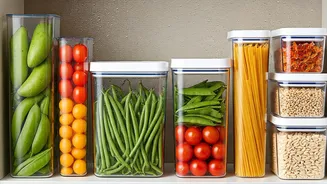
Monsoon is the time for smart stocking. Focus on items that have a longer shelf life and are less susceptible to moisture-related spoilage. Root vegetables like potatoes and onions should be stored in a cool, dry place, not necessarily the fridge, to prevent them from rotting. For the fridge, stock up on items like tofu, which is a great protein source, especially if you're reducing dairy intake. Citrus fruits like oranges and lemons are good choices as they are rich in vitamin C and last well. When storing any food, especially leftovers or cut produce, use airtight containers. This is non-negotiable during the monsoon as it prevents moisture from spreading inside the fridge and keeps odours contained.
What to Avoid and How to Store
Certain foods are best consumed quickly or avoided during the monsoon. Leafy green vegetables can turn slimy and spoil rapidly due to high moisture content. If you do buy them, air dry them completely and store them in a box in the fridge. It’s also often recommended to be cautious with seafood during this season. Avoid overloading your refrigerator; proper air circulation is crucial for even cooling and preventing warm spots where bacteria can thrive. Aim to leave about 20-25% of the space free. Never place hot food directly inside the fridge; let it cool down to room temperature first to prevent raising the internal temperature and humidity.
Prepare for Inevitable Power Cuts
Power cuts are a monsoon reality in many parts of India. To prepare, keep your freezer as full as possible, using frozen water bottles or gel packs to fill empty space. A full freezer can keep food frozen for up to 48 hours, while a half-full one may only last 24 hours. During a power outage, resist the urge to open the refrigerator and freezer doors. A closed refrigerator will keep food safe for about 4 to 6 hours. If the outage is prolonged, you can place block ice inside the fridge to help maintain a low temperature. Once power is restored, check the food's temperature. Any perishable items that have been above 4°C for more than two hours should be discarded.