






What is the 'No Insurance, No Fuel' Proposal?
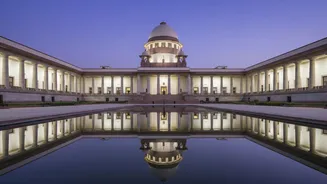
The 'No Insurance, No Fuel' rule is a system proposed by the Supreme Court of India to ensure that all vehicles on the road have valid third-party insurance, which is mandatory by law. The core idea is to prevent petrol pumps from selling fuel to any
vehicle that does not have an active insurance policy. This isn't a nationwide rule yet; the Court has directed the Insurance Regulatory and Development Authority of India (IRDAI) and the Ministry of Road Transport and Highways (MoRTH) to first develop and run a pilot project to test the concept's feasibility. The proposal is part of a broader push to improve road safety and ensure that victims of accidents involving uninsured vehicles receive timely and fair compensation.
Why Is This Rule Being Considered?
The primary driver behind this proposal is the alarmingly high number of uninsured vehicles operating across India. According to reports cited by the Supreme Court, a shocking 56% of vehicles on Indian roads—approximately 16.54 crore out of 30.48 crore registered vehicles—lack valid insurance. This non-compliance has severe consequences. When an uninsured vehicle is involved in an accident, victims and their families often face immense hardship and long legal battles to claim compensation, as there is no insurance company to cover the liability of the at-fault driver. With India recording hundreds of thousands of road accidents annually, the court views this measure as a critical tool to enforce the mandatory insurance law and create a safety net for all road users.
How Would It Work in Practice?
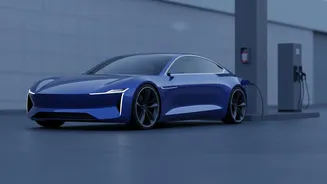
The proposed system relies heavily on technology to make verification quick and seamless. At a fuel station, a vehicle’s number plate would likely be scanned using an Automatic Number Plate Recognition (ANPR) camera. This information would then be instantly checked against central databases like VAHAN (the national vehicle registry) and records held by the Insurance Information Bureau. If the database shows that the vehicle's insurance has lapsed, the fuel pump could be programmed to not dispense petrol or diesel. The entire process is envisioned to be automated to avoid long queues and manual checks. The Ministry of Petroleum has reportedly expressed no objection in principle to the idea, clearing a significant hurdle.
A Multi-Pronged Approach to Compliance
The fuel-check rule is just one part of a larger, technology-driven strategy to boost insurance compliance. The Supreme Court has also suggested several other measures to be implemented concurrently. This includes linking the extensive network of ANPR cameras on highways and city roads directly to insurance databases to automatically detect uninsured vehicles and issue e-challans. Additionally, traffic police are to be equipped with handheld devices or mobile apps that allow for real-time verification of insurance status during roadside checks, eliminating reliance on physical documents that can be forged or outdated. The court has also directed an increase in the mandatory third-party insurance period for new vehicles: to four years for cars and six years for two-wheelers.
The Pilot Project and Potential Hurdles
Before any national rollout, the concept will be tested in a limited pilot program. This trial phase is crucial for identifying and ironing out the many practical challenges. Potential issues include the reliability of internet connectivity at petrol pumps, especially in rural and remote areas, which is essential for database verification. There are also concerns about potential errors in the central database, which could lead to compliant vehicle owners being wrongly denied fuel. Furthermore, the system must be designed to handle emergencies and avoid creating massive traffic jams at fuel stations, a significant challenge in a country with high vehicle density. The success of the pilot will depend on how effectively authorities can build a system that is efficient, error-free, and does not unduly inconvenience law-abiding citizens.