



The Monsoon Paradox: Too Much Water
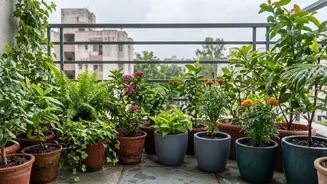
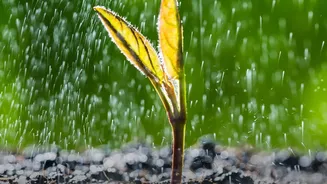
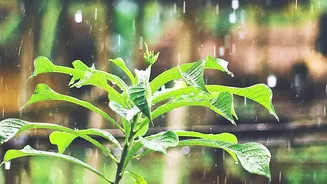
It seems counterintuitive, but plants can 'drown' even when surrounded by water. The primary issue isn't the rain itself, but what happens in the pot. Unlike plants in the ground, balcony plants have a limited amount of soil. During the monsoon, this
soil can become completely saturated from heavy downpours and high humidity. When soil is waterlogged, the air pockets that roots depend on for oxygen are filled with water. This effectively suffocates the roots, preventing them from absorbing the water and nutrients the plant needs to live. This is why a plant can show signs of wilting even when its soil is soaking wet.
Signs Your Plant is in Distress
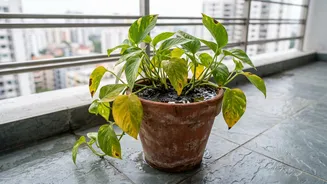
Catching the problem early is key to saving your plants. One of the most common signs of overwatering is yellowing leaves, which often start from the bottom of the plant and move upwards. The leaves might feel soft or mushy, not dry and crispy like an underwatered plant. Other red flags include wilting or drooping stems, leaf drop, and stunted growth. In advanced cases, you might notice a foul or rotten smell coming from the soil, a clear indicator of root rot. Fungal growth like mould or mildew on the soil's surface is another sign that conditions are too damp.
Your First Defence: Drainage and Soil
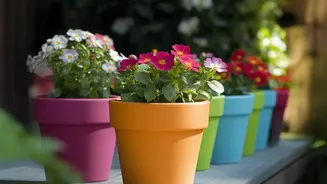
Prevention is always better than cure, and it starts with the pot and the soil. Ensure every pot on your balcony has clear, unobstructed drainage holes. Simply having holes isn't enough; you should elevate your pots using bricks, pot feet, or a stand. This small gap allows excess water to drain away freely and prevents the pot from sitting in a puddle. The soil itself plays a crucial role. Heavy, clay-like soils retain too much water. For monsoon season, it’s best to use a light, well-draining potting mix. A good combination includes cocopeat, compost, and perlite or coarse sand, which provides structure while allowing water to pass through.
Rethink Your Watering Schedule
The biggest mistake gardeners make during the monsoon is sticking to their summer watering routine. Your plants will need significantly less manual watering. The rule of thumb is to water only when the top one to two inches of soil feel dry to the touch. Don't just rely on looking at the topsoil; physically check it with your finger. Plants located directly under a roof or overhang might still need occasional watering, but those exposed to the rain may not need any extra water for days. When you do water, aim for the soil at the base of the plant, not the leaves, as wet foliage can encourage fungal diseases in the humid climate.
Emergency Rescue for a Waterlogged Plant
If you suspect a plant is already overwatered, you need to act fast. First, move the plant to a sheltered, shady spot to reduce its need for water while it recovers. If possible, gently remove the plant from its pot to inspect the roots. Healthy roots are firm and white, while rotted roots will be brown, mushy, and may have a bad smell. Carefully trim away any damaged roots and leaves with clean pruners. Before repotting into fresh, dry, well-draining soil, let the root ball air out for a few hours. Once repotted, water very sparingly until you see signs of new, healthy growth.