




From a Checklist to a Quest
The era of ‘checklist tourism’—where the value of a trip was measured by the number of famous landmarks photographed—is fading. For a growing number of young Indians, the satisfaction is no longer in proving you were there, but in the experience of being
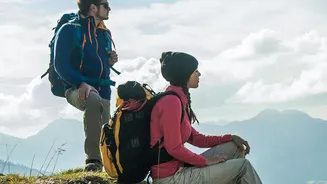
there. Recent travel reports show a massive shift in priorities. One report highlights that 95% of Gen Z travellers want their journeys to feel unique and personal, while 80% say small, authentic moments matter more to them than famous attractions. This isn't just about avoiding crowds; it’s a fundamental change in the travel philosophy itself. The question is no longer “What sights did you see?” but rather “What did you feel?” This generation is trading the chaos of commercialised hotspots for the calm of an undiscovered trail, the anonymity of a big resort for the warmth of a local homestay, and the pressure of a packed itinerary for the freedom to wander. They are consciously moving away from places that offer display towards places that allow for depth.
The Search for Authentic Connection
So, what do these “personal experiences” look like? The answer lies in connection—to nature, to local culture, and to oneself. A recent Booking.com survey found that an overwhelming 91% of Indian travellers are seeking trips centered around natural scenery, with 87% prioritizing mental unwinding over ticking off attractions. This explains the rising popularity of destinations like the tranquil Tirthan Valley in Himachal, the misty hills of Meghalaya, or the serene backwaters of Kerala, chosen not for their fame but for how they make travellers feel.
Authenticity also means engaging with a place on its own terms. Instead of a superficial tour, travellers are opting for immersive activities: learning a local craft, taking a cooking class, volunteering on a farm, or simply spending time with a host family. It’s a move from being a passive spectator to an active participant. This desire for genuine interaction is reshaping tourism from a transactional exchange into a relational one, creating memories that last longer than an Instagram story.
Redefining the 'Destination'
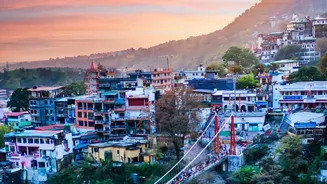
As the definition of a great holiday evolves, so does the map of desirable locations. The new hotspots are often not cities at all, but regions and experiences. Young travellers are finding adventure in the raw landscapes of Hampi, the unpretentious beach vibe of Gokarna in Karnataka, and the quiet spirituality of towns like Rishikesh. The Northeast has become a major draw, with states like Meghalaya and Nagaland offering a sense of discovery that feels increasingly rare. Interest is growing in places like Chikmagalur, Imphal, and Aizawl—locations far from the traditional tourist circuit.
This trend is also fueling the rise of ‘slow travel’, the philosophy of staying in one place longer to absorb its culture and rhythm. It's about choosing depth over distance, like spending a week in a single village in Uttarakhand instead of rushing through four different cities. By lingering, travellers forge a deeper connection and often discover hidden gems that no guidebook could ever list.
The Freedom of Remote Work
The rise of remote work and the ‘workation’ culture has been a powerful catalyst for this trend. With the freedom to work from anywhere with a decent internet connection, a growing number of young professionals are swapping their city apartments for extended stays in more scenic and affordable locations. This digital nomad movement, once dominated by foreign backpackers, is now being driven by Indians themselves.
This ability to blend work and travel allows for a level of immersion that a short holiday can't offer. It transforms a trip from a brief escape into a lifestyle, enabling travellers to live like a local for weeks or even months. As a result, destinations that were once just for getaways are becoming temporary homes, creating vibrant communities of remote workers in the mountains of Himachal Pradesh and the coastal towns of Goa. This long-term presence also benefits local economies more sustainably than the fleeting visits of mass tourism.