




What is FIFO and Why Does it Matter?
FIFO stands for First-In, First-Out. It’s a simple but powerful inventory rotation method used by restaurants and supermarkets to ensure older products are used before newer ones. For the home kitchen, adopting this practice means you'll reduce food waste,
save money, and ensure you're always using ingredients at their peak freshness. By consistently using the items you bought first, you prevent food from expiring in the dark corners of your pantry. This organised approach not only keeps your shelves tidy but also makes meal planning more efficient, as you’re prompted to use ingredients that need to be consumed soon. It’s a small habit that leads to a more conscious and less wasteful kitchen.
Your Step-by-Step Guide to a FIFO Pantry
Implementing FIFO is a straightforward process that starts with a bit of organisation. First, empty your pantry shelves completely. This gives you a clean slate and a chance to take inventory. Check the expiration dates on everything and discard any spoiled items. Now, group similar items together—all your dals in one area, flours in another, and spices together. Before restocking the shelves, give them a good wipe down. When you put items back, place the products with the nearest expiration dates at the front of the shelf. As you buy new groceries, they should always be placed at the back, behind the existing stock. This ensures the older items are always the first ones you see and grab.
Containers and Labelling: The Keys to Success
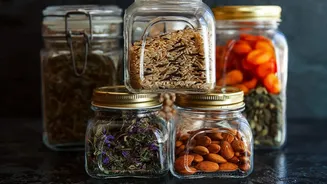
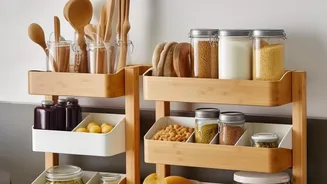
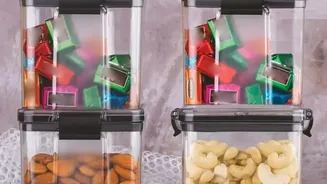
While you don't need a pantry full of matching containers, transferring bulk staples like rice, lentils, and flour into airtight containers is a game-changer. Airtight containers protect your food from pests, moisture, and air, which are the main culprits of spoilage. Clear containers are especially useful as they allow you to see at a glance how much you have left, preventing accidental double purchases. Labelling is the other critical component. Use a marker or a label maker to note the date of purchase or the 'use by' date on each container. This simple step removes all guesswork and is essential for making the FIFO system work seamlessly, especially for items you’ve removed from their original packaging.
Applying FIFO to Common Indian Staples
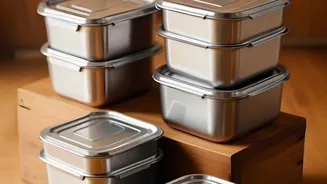
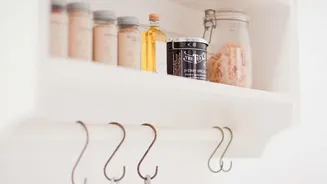
The FIFO method is perfectly suited for a well-stocked Indian kitchen. For bulk staples like atta and rice, consider using large, stackable, airtight containers. When you buy a new bag, empty the remaining old stock into a smaller container for immediate use before refilling the main bin with the new purchase. For dals and pulses, a series of smaller, clear jars makes it easy to see what you have and rotate them. Place the jars with the oldest purchase date at the front. Spices, which lose their potency over time, also benefit greatly from this system. Arrange your spice jars on a tiered rack or in a drawer, with the newest ones placed at the back. Keeping a small masala dabba for daily-use spices, refilled from your older stock, is also an effective strategy.
Make it a Lasting Habit
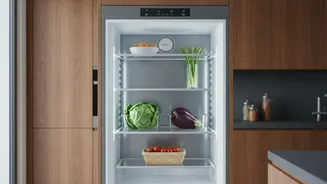
A successful FIFO system relies on consistency. Make it a habit every time you unload groceries. It only takes a few extra minutes to place new items at the back of the shelf or fridge. To maintain momentum, schedule a quick 10-minute pantry check once a month to ensure everything is in order and to spot items that need to be used up soon. Get the whole family involved. Explain the 'new stuff goes in the back' rule so everyone helps maintain the system. Over time, this small, repeated action becomes second nature, transforming your kitchen from a source of clutter and waste into a model of efficiency and mindfulness.