





The Old Logic vs. The New Reality
Traditionally, the Indian monsoon was seen in simple terms: a strong, well-distributed monsoon meant bountiful harvests and full reservoirs, while a weak one spelled drought. The total volume of rain that fell between June and September was the primary
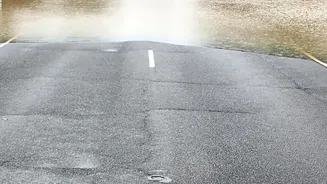
metric of concern. A 'deficit' monsoon, where the seasonal total is significantly below the long-period average, logically suggested a lower risk of flooding. However, this old logic is becoming dangerously outdated. Climate change is altering the character of the monsoon. Instead of moderate rains spread out over the entire season, we are increasingly seeing long dry spells punctuated by sudden, ferocious bursts of extreme rainfall. These short-duration, high-intensity events can dump a massive volume of water in just a few hours, overwhelming natural and man-made drainage systems.
When It Rains, It Pours
The core of the issue lies in the shift from sustained rainfall to erratic deluges. Climate scientists have noted that extreme rainfall events in India have become more frequent. A warmer atmosphere can hold more moisture, which, when released, results in torrential downpours rather than steady showers. An event classified as a 'cloudburst'—defined by the India Meteorological Department as rainfall exceeding 100 mm in one hour over a small area—can cause flash floods and landslides within minutes. So, even if the overall monsoon season is classified as 'weak' or 'deficient' due to extended dry periods, a single extreme rainfall event can be enough to trigger a devastating flood in a localised area. This paradox means a state could be facing an agricultural drought and an urban flood in the very same week.
Our Cities: Concrete Jungles and Lost Sponges
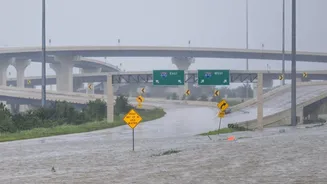
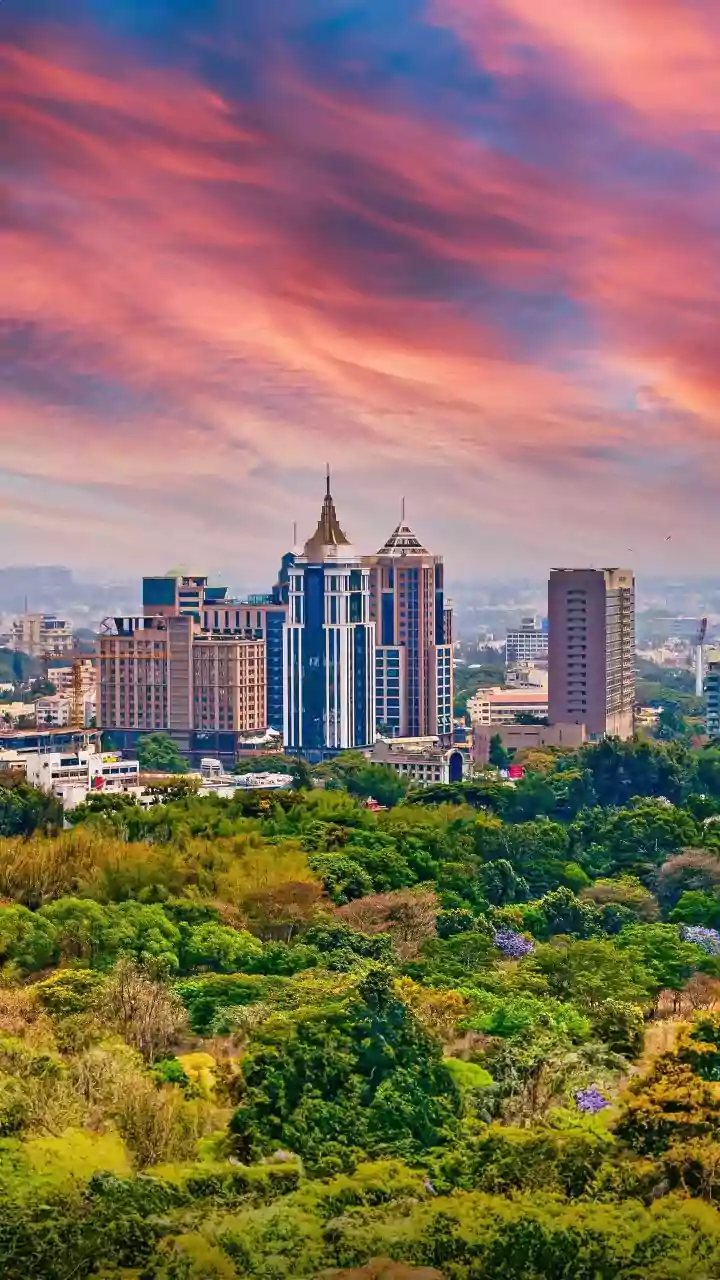
The problem isn't just the changing nature of the rain; it's also where the rain is falling. India's rapid and often unplanned urbanisation has created a perfect storm for flooding. Natural sponges that once absorbed excess rainwater—such as wetlands, lakes, and green spaces—have been paved over with concrete and asphalt. This 'concretisation' prevents water from seeping into the ground, drastically increasing surface runoff. Cities like Mumbai, Delhi, and Bengaluru are prime examples, where decades-old drainage systems were designed for historical rainfall patterns and are now incapable of handling the short, intense bursts of a modern monsoon. Encroachment on floodplains and the clogging of drains with waste further reduce the capacity of our cities to manage sudden deluges, turning streets into rivers even after just a few hours of heavy rain.
Beyond the Plains: A Himalayan Threat
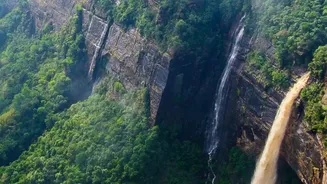
The risk is not confined to urban centres on the plains. In the fragile Himalayan region, the combination of a changing monsoon and rising temperatures creates a different but equally severe threat. Global warming is accelerating the melting of glaciers. Short bursts of intense rain can trigger landslides on the steep, unstable slopes, which are already vulnerable. Furthermore, this can lead to Glacial Lake Outburst Floods (GLOFs), where the natural dams containing glacial lakes are breached, releasing enormous quantities of water and debris downstream with catastrophic force. The devastating floods in states like Uttarakhand and Himachal Pradesh are stark reminders of how extreme weather events in the mountains can have far-reaching consequences for communities downstream, independent of the overall seasonal monsoon performance.