


The Rise of the Mountain Office
The remote work revolution has fundamentally changed how India works. What began as a necessity has evolved into a desirable lifestyle choice for thousands of professionals, particularly in the tech sector. The ‘work from mountains’ trend is a direct
result, with hill stations across the country transforming into vibrant hubs for digital nomads. Destinations like Gangtok are no longer just for weekend getaways; they are becoming long-stay destinations for those seeking to blend productivity with peace. This shift is driven by a desire for a better work-life balance, lower stress levels, and a more inspiring environment than a typical urban apartment can offer.
Why Gangtok is a Workation Magnet
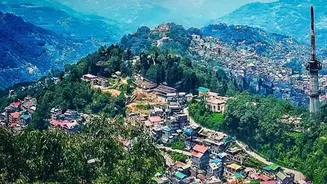
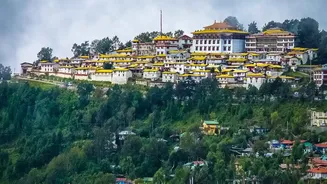
Gangtok has emerged as a premier workation hotspot for several key reasons. The city offers a unique combination of reliable infrastructure and serene natural beauty. Unlike many other mountain towns, Gangtok provides stable high-speed internet connectivity, with both Airtel and Jio 4G services being widely available, a non-negotiable for any tech worker. The city is also known for its safety, cleanliness, and welcoming atmosphere, making it ideal for solo travellers and long-duration stays. The presence of well-equipped hotels, cafes with charging ports, and dedicated co-working spaces further solidifies its reputation as a digital nomad's paradise. A government-backed initiative in Yakten, near Gangtok, has even established India's first 'digital nomad village', signaling a strong official push to support this trend.
Inside a Co-Living Workation Hub
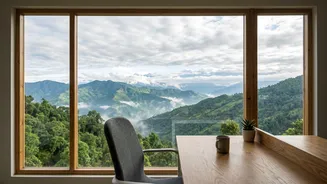
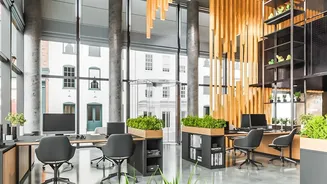
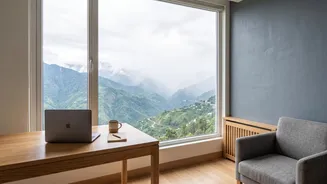
The core of this trend lies in co-living and co-working spaces that cater specifically to remote professionals. These hubs are more than just a room with a desk; they are curated environments designed for productivity and community. A typical setup includes a private room, high-speed Wi-Fi with power backup, and shared communal areas like kitchens, lounges, and dedicated workspaces. Spaces like Gangtok Co-Work, Dawnhill Gangtok, and various work-friendly hostels and homestays provide flexible plans, from daily passes to monthly stays. The model offers the efficiency of an office, the comfort of a home, and the social opportunities of a community, allowing workers to network and collaborate with like-minded individuals from different fields.
The Monsoon Mystique: A Feature, Not a Flaw
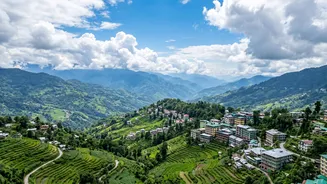
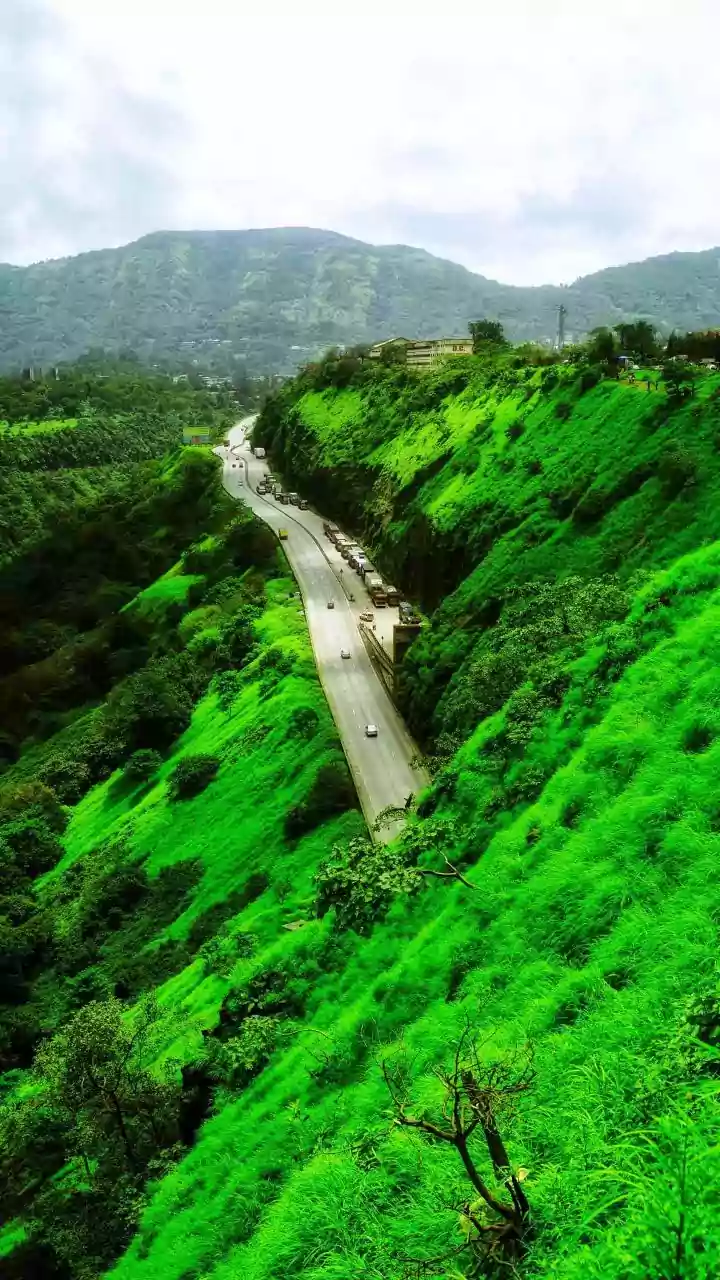
While many tourist destinations see a lull during the monsoon, in Gangtok it has become a key attraction for workations. From June to September, the region transforms into a lush, mist-covered paradise. For many, the sound of rain, the sight of clouds rolling through the valleys, and the vibrant green landscapes provide a calming backdrop that boosts focus and creativity. The off-season also means fewer crowds and more affordable prices for accommodation. Organizers noted that the monsoon was traditionally a lean period for tourism, but remote workers now provide a steady stream of visitors, helping to sustain the local economy year-round. The romantic, cinematic atmosphere is seen as a feature, not a flaw, perfect for 'slow travel' where the goal is to immerse oneself in a place rather than rush through a checklist of sights.
Beyond the Laptop: Life After Logging Off
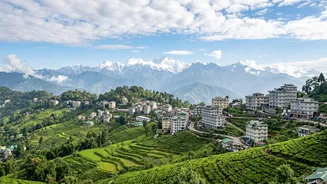
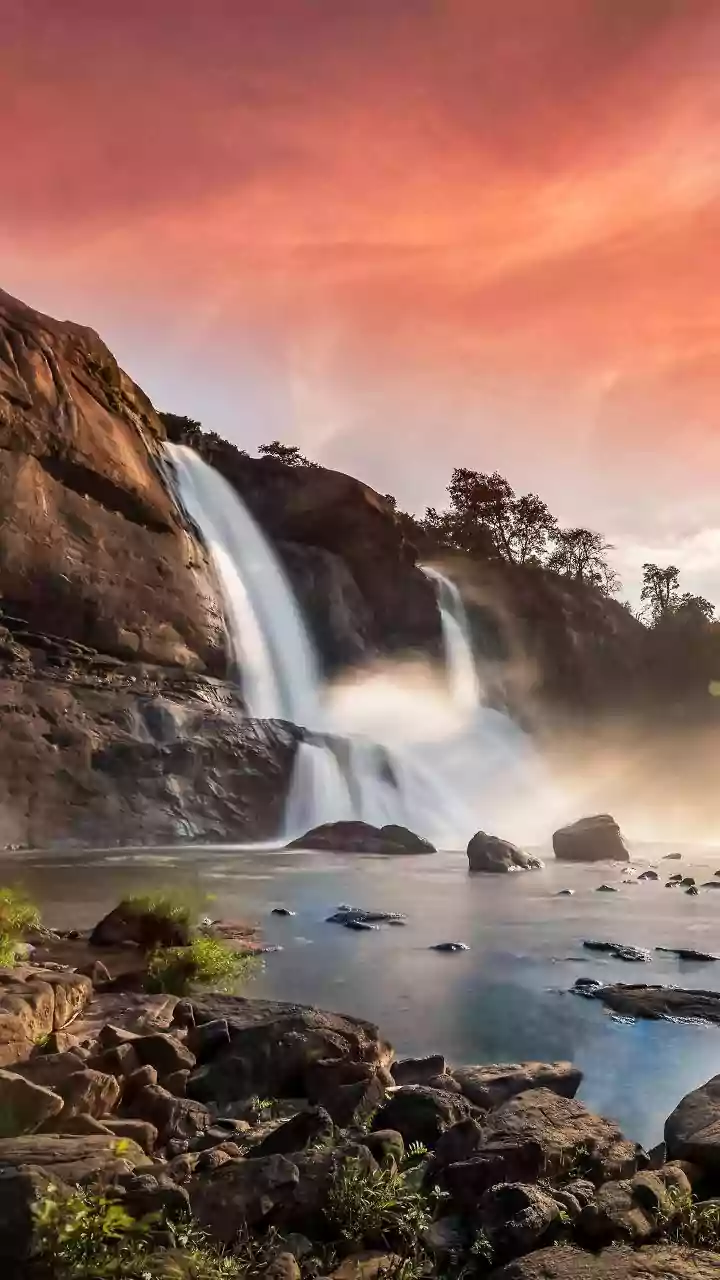
A workation in Gangtok is not just about the work. After shutting the laptop, professionals have a wealth of experiences at their doorstep. Evenings can be spent exploring the charming, vehicle-free MG Marg, trying out local delicacies like thukpa and momos in cosy cafes, or visiting serene monasteries. Weekends offer opportunities for short hikes, visiting waterfalls that are in their full glory during the monsoon, or simply enjoying a cup of local Temi tea with a panoramic view of the mountains. This blend of work and leisure helps prevent burnout and allows for genuine cultural immersion, making the experience both productive and deeply restorative.