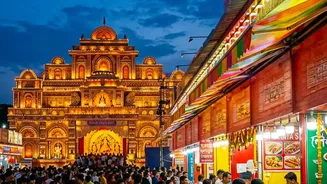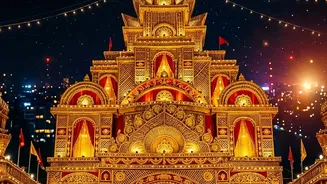





Ayodhya's Deepotsav is a breathtaking spectacle of light, drawing millions. But with great celebration comes great crowds. Here is your essential guide to navigating transport and making your 2026 visit as smooth and serene as possible.
The Golden Rule: Plan Ahead
The single most
important piece of advice for anyone visiting Ayodhya for Deepotsav from November 5th to 8th is to plan well in advance. The main diya-lighting event on November 7th attracts massive crowds, and getting into the city will be a challenge. Booking for travel and accommodation should have been completed weeks, if not months, ago. For those arriving now, patience is key. Expect significant delays, security checks, and large-scale crowd management measures. The Uttar Pradesh government has cancelled leave for officials to ensure all systems are functional, highlighting the scale of the event.
Arriving by Air and Rail
Ayodhya's own Maharishi Valmiki International Airport (AYJ) is the closest air link, but flights will be in high demand. The larger Chaudhary Charan Singh International Airport in Lucknow (141 km away) is the next best option, from where you can hire a taxi for the two-to-three-hour drive. However, be prepared for highway traffic to be heavy. By train, Ayodhya Dham Junction and Ayodhya Cantt are the main railway stations. Trains will be exceptionally crowded. From the station, you will have to rely on local transport like e-rickshaws or pre-booked taxis to reach your accommodation, as many areas near the festival zones will have restricted traffic.
Major Traffic Diversions for Road Travellers
If you are driving to Ayodhya, be aware of major traffic diversions. Authorities have announced that from the night of November 6th until November 8th, heavy vehicles like trucks and buses will be banned from entering the city and diverted onto alternate routes. This plan affects traffic coming from major hubs like Lucknow, Gorakhpur, Varanasi, and Prayagraj. Vehicles from Gorakhpur, for instance, may be rerouted via the Purvanchal Expressway. These diversions are designed to ease congestion for smaller passenger vehicles, but spillover traffic is inevitable. Always check for the latest traffic advisory from the Ayodhya district administration before you start.
Parking and Navigating Within the City
Once you are near Ayodhya, personal vehicles will not be allowed near the main event areas like Ram Ki Paidi and the Ram Janmabhoomi complex. Authorities typically set up large, designated parking areas on the outskirts of the city. From these parking zones, a fleet of electric buses and e-rickshaws will be the primary mode of transport to get closer to the festival heartland. Embrace walking; comfortable shoes are nonstoppable as you will cover significant distances. Many internal roads will be pedestrian only zones. Look for smart parking solutions which may offer FASTag based, cashless payments for convenience.
Restricted Zones and No Go Areas
On the main event day, November 7th, access to the ghats at Ram Ki Paidi will be tightly controlled. Areas like the stretch from Tedhi Bazar crossing towards the Shri Ram Hospital and the path from Post Office Tiraha to Lata Mangeshkar Chowk will be completely closed to all vehicles and even pedestrian movement at peak times. The goal is to manage the immense crowd flow for the main lighting ceremony and Saryu Aarti. Arrive at any viewing spot by mid afternoon at the latest if you wish to secure a place. Follow directions from police and volunteers, as routes can change dynamically based on crowd density.
Pro Tips for a Hassle Free Experience
To make your journey smoother, travel light. Lockers are available for items like phones, which are not permitted inside the Ram Janmabhoomi complex. Carry some cash for smaller vendors, though digital payments are increasingly common. Use official government tour packages if available, as they often include transportation and guided access. Finally, be patient and maintain a spirit of cooperation. Deepotsav is a deeply spiritual and communal event, and a calm mindset will go a long way in navigating the logistical challenges.