
The Sunburst and Fan Motif
Perhaps the most iconic Art Deco pattern, the sunburst radiates glamour and optimism. This motif, along with its close cousin, the fan or shell shape, creates an undeniable focal point. A rug featuring a bold sunburst or a series of repeating fans immediately
draws the eye, anchoring the furniture around a central, energetic point. This pattern works especially well in rooms where you want to establish a clear center, such as under a round coffee table. The radiating lines introduce a sense of movement and grandeur, making the seating area feel both dynamic and cohesive. The key is to let this one strong motif lead, keeping surrounding patterns subtle to allow it to truly shine.
Chevron and Zigzag Lines
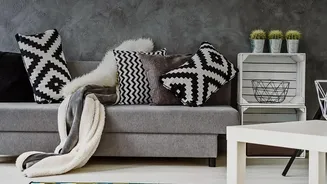
For a sense of rhythm and movement, few patterns are as effective as the chevron and its sharper relative, the zigzag. Popularized during the Art Deco era, these V-shaped lines create a strong directional flow, guiding the eye across the room and making spaces feel more dynamic. A chevron rug can visually elongate a living room or create a clear pathway in an open-plan layout. Unlike more contained patterns, the continuous 'arrow' of the chevron brings a modern, graphic energy that still feels sophisticated. This pattern grounds a room not by creating a static center, but by establishing a disciplined, rhythmic pulse that connects different elements of your decor.
Stepped Forms and Ziggurats
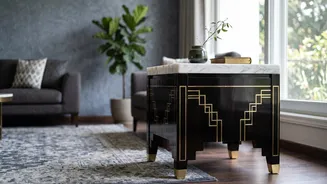
Inspired by ancient Egyptian and Mesoamerican architecture, the stepped form or ziggurat pattern was a staple of Art Deco design. This motif, reminiscent of the iconic skylines of the 1920s and '30s, brings an architectural quality to the floor. Rugs with stepped patterns provide a strong, grounding foundation due to their inherent structure and symmetry. The clean, ascending lines create visual weight and order, making furniture placed upon them feel deliberate and settled. This style is perfect for adding a sense of grandeur and stability to a room, creating a solid base that balances softer furnishings and decor.
Symmetrical Geometric Grids
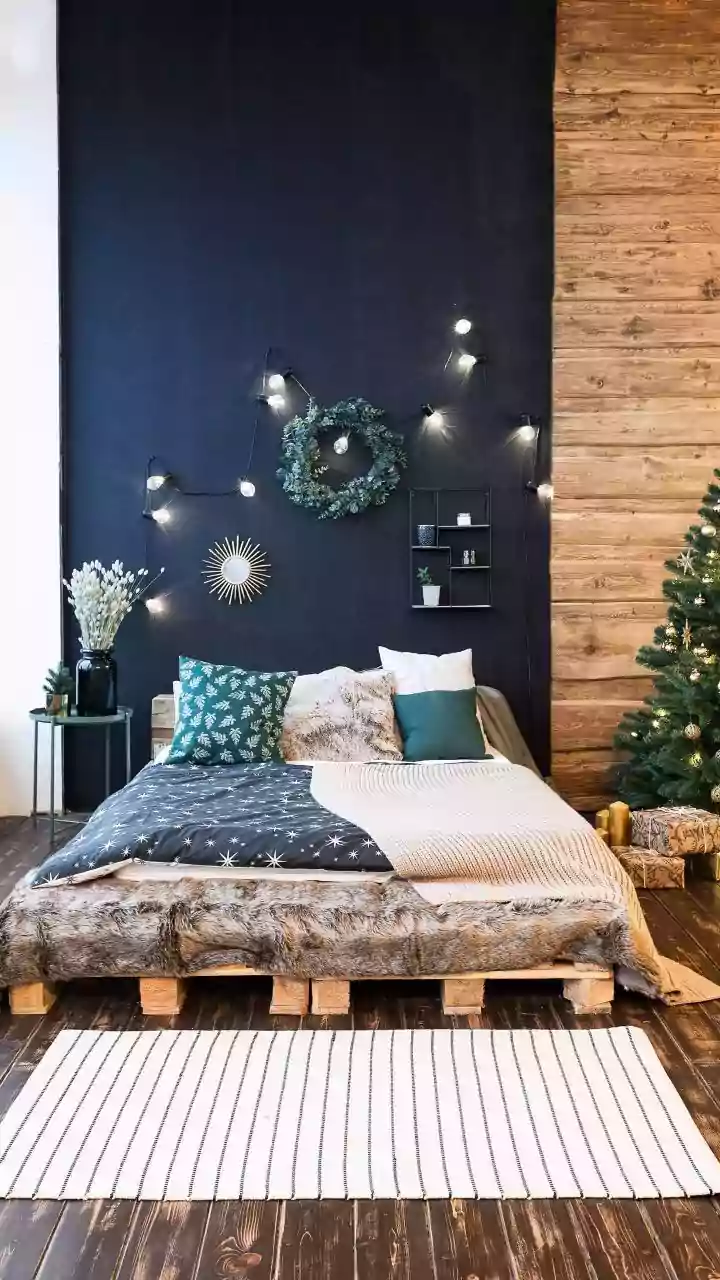
At its heart, Art Deco is a style defined by order, geometry, and symmetry. A rug featuring a strong, repeating geometric grid—whether composed of interlocking squares, circles, or triangles—embodies this core principle. This type of pattern grounds a living room by imposing a sense of calm and structure. The repetition and balance create a visually stable canvas, which helps unify disparate furniture pieces into a cohesive whole. In a room that feels chaotic or visually unsettled, a rug with a clear, symmetrical grid can instantly restore a sense of order and make the entire layout feel more intentional and composed.
High-Contrast Abstract Shapes
While strict symmetry is a hallmark of the style, Art Deco also embraced bold abstraction. Rugs featuring high-contrast geometric compositions, often in classic palettes like black and white or navy and gold, provide a sophisticated and grounding effect. These designs use a mix of lines, curves, and angles to create a captivating pattern that feels both artistic and structured. The strong contrast itself adds visual weight, anchoring the space without relying on a single repeating motif. This approach is ideal for a modern take on Art Deco, offering the glamour and structure of the era with a more freeform, contemporary sensibility that still makes the floor the undisputed foundation of the room's design.