



Start With The Best Tool: Your Eyes
The most fundamental way to begin your stargazing journey costs nothing at all. Your own eyes are powerful enough to reveal an incredible amount of celestial beauty. The first step is to simply go outside on a clear night and look up. You can easily spot
the Moon, and with a little patience, you'll start to recognize bright planets, which shine with a steady light compared to the twinkling of distant stars. October 2026 is a fantastic month for this. Saturn is at opposition early in the month, meaning it's at its biggest and brightest for the year and visible all night long. Jupiter and Mars are also bright fixtures in the morning sky. Just by observing these, you're already stargazing.
Download a Free Guide to the Galaxy
You no longer need complex paper charts to navigate the stars. Your smartphone is your new best friend. Free apps like SkyView Lite, Stellarium Mobile, and Star Walk 2 use your phone's location and camera to create an augmented reality map of the sky. Just point your device upwards, and the app will identify the stars, constellations, and planets you're looking at. Many of these apps work offline, making them perfect for remote areas where light pollution is low. They can also send you reminders for key celestial events so you never miss a moment.
October's Celestial Showcase
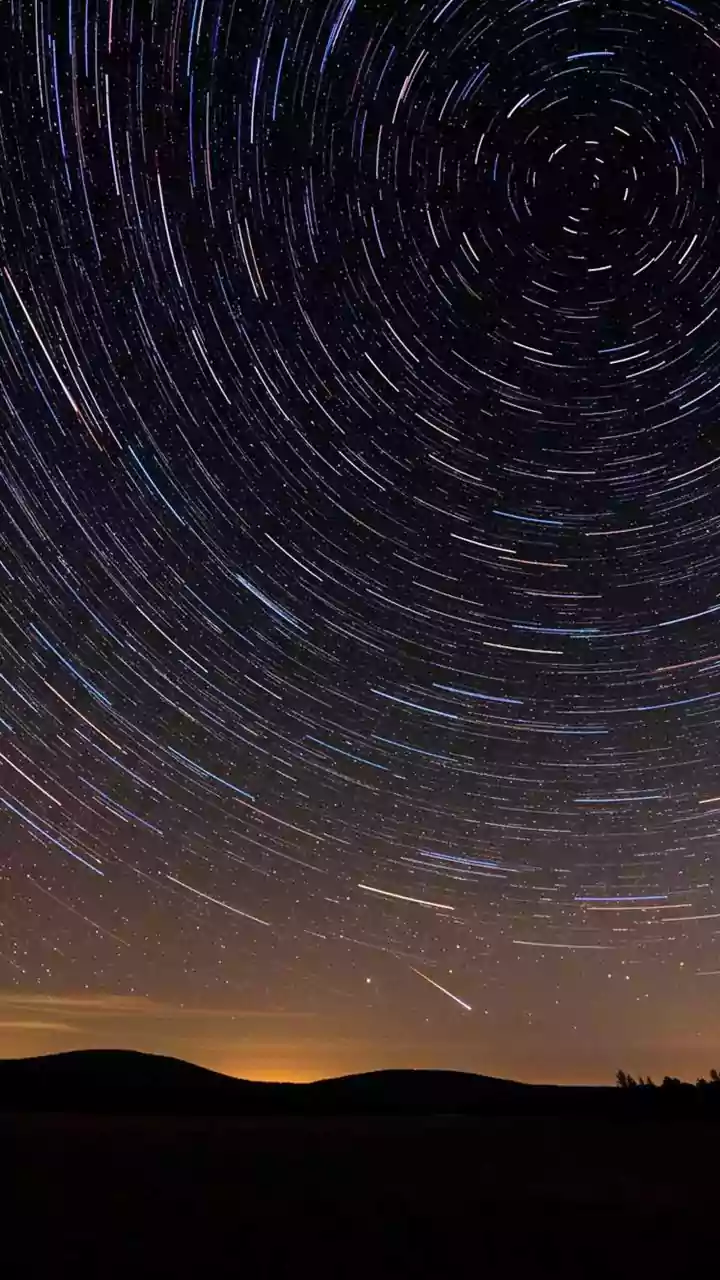
This October offers a packed schedule for sky-watchers. The main event is the Orionid meteor shower, which is active from early October to early November. It's set to peak on the night of October 21-22. These meteors are actually tiny pieces of dust from Halley's Comet burning up in our atmosphere. For the best view, find a dark spot away from city lights and look up in the hours before dawn, after the moon has set. You might see up to 20 meteors per hour. Earlier in the month, look for the Draconid meteor shower, which peaks on October 8. Also, keep an eye out for stunning planetary alignments. On October 5, the crescent moon will form a beautiful pairing with Mars in the predawn sky.
Your First Smart Purchase: Binoculars
Before you even think about a telescope, consider a good pair of binoculars. They are the best first investment for a budding astronomer. Binoculars are cheaper, easier to use, and more portable than a telescope. A standard pair of 7x50 or 10x50 binoculars will reveal hundreds of celestial wonders you can't see with the naked eye, from craters on the Moon to the moons of Jupiter and even the faint glow of the Andromeda Galaxy. Brands like Celestron offer excellent budget-friendly options, such as the Cometron 7x50 or UpClose G2 10x50, which provide great value for beginners.
Find Your Viewing Spot
The biggest enemy of a good stargazing session is light pollution. The bright glow from cities washes out all but the brightest stars and planets. To truly experience the night sky, you need to find a darker location. This doesn't necessarily mean a trip to the mountains. A local park, a field just outside of town, or even a backyard with minimal direct lighting can make a huge difference. Use a light pollution map online to find dark-sky spots near you. The new moon on October 10 will provide the darkest skies of the month, making it an ideal time for a stargazing trip.
Join a Community of Stargazers
One of the best and most affordable ways to deepen your interest in astronomy is to connect with others who share your passion. Look for local astronomy clubs or groups in your area. Members are often enthusiastic about helping newcomers and love to share views through their own telescopes at public events or 'star parties'. This gives you a fantastic opportunity to look through different types of equipment and learn from experienced observers before you decide to invest in a telescope of your own. It’s a great way to learn the constellations and get tips on what to look for each season.