








An Escape for the Senses
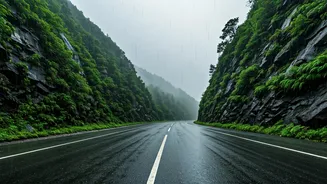
Forget the stuffy confines of a gym or the monotony of a dry-weather route. Monsoon cycling is a full-body sensory immersion. The air, thick with the intoxicating scent of petrichor—that earthy perfume of rain hitting dry soil—fills your lungs. The world
around you transforms; dusty greens explode into a thousand shades of vibrant emerald. The rhythmic patter of rain on your helmet and the gentle hiss of your tyres on wet tarmac become your soundtrack. It’s a meditative experience, washing away the stress of daily life along with the city dust. Splashing through a clean puddle isn't a nuisance; it's a moment of childlike joy. You’re not just exercising; you’re participating in the season, feeling its pulse in a way that’s impossible from behind a window.
Gearing Up for the Drizzle
The difference between a miserable wet ride and a glorious one often comes down to gear. Your goal is not to stay perfectly dry—that’s nearly impossible—but to stay comfortable. Start with a lightweight, breathable waterproof jacket. It will keep the wind and the worst of the rain off your core without turning into a personal sauna. For your lower half, opt for quick-drying cycling shorts or three-quarter tights. Avoid cotton at all costs, as it soaks up water, gets heavy, and chills you. The single most important addition to your bike is a good set of front and rear mudguards. They prevent a muddy stripe of road grime from being sprayed up your back and into your face, dramatically improving comfort. Finally, protect your essentials. A waterproof saddlebag or a simple dry bag inside your backpack will keep your phone, wallet, and keys safe and dry.
Safety First, Always
Riding in the rain requires a heightened sense of awareness. Your first priority is visibility. In overcast, rainy conditions, you are much harder for motorists to see. Wear brightly coloured clothing—think fluorescent yellow or orange—and invest in a good set of rechargeable bike lights for both the front and rear. Keep them on, even during the day. Your bike’s performance also changes in the wet. Your brakes will be less effective, and it will take you longer to stop. Anticipate your braking far earlier than you would on a dry day, and gently feather the brakes to clear water from the rims before you need to stop hard. Roads become slick with a film of oil and grime, especially during the first rain. Reduce your speed, take corners gently, and be wary of metal surfaces like manhole covers, which become incredibly slippery. And most importantly, be vigilant about potholes, which are often hidden beneath puddles.
Choosing Your Path
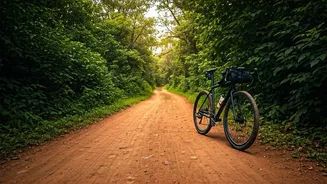
Not all routes are created equal, especially during the monsoon. Steer clear of major arterial roads known for traffic jams and waterlogging. These can be dangerous and unpleasant. Instead, seek out routes that allow you to enjoy the experience. University campuses, large public parks, and quiet backroads on the city's outskirts are often ideal. These areas typically have less traffic, better tree cover, and a more serene atmosphere. Exploring familiar local loops can also be a revelation, as the rain transforms them into entirely new landscapes. Before you head out, do a quick check on your planned route. Ask in local cycling groups or check online forums for recent information on road conditions. A little planning can help you avoid impassable waterlogged sections and ensure your ride is about adventure, not frustration.