





Flash Flood Warnings
This is one of the most urgent weather alerts for any driver. A flash flood warning means that flooding is imminent or already happening. It’s crucial to understand that it takes very little water to create a life-threatening situation. As little as one foot
of moving water can float many vehicles, and two feet of rushing water can carry away most SUVs and trucks. Roads can be washed away beneath the floodwaters, creating unseen hazards. If you receive a flash flood warning, do not attempt to drive through flooded areas. The safest action is to move to higher ground immediately and wait for the all-clear. Remember the simple but vital advice: Turn Around, Don't Drown.
Dense Fog Advisories
A dense fog advisory is issued when visibility drops significantly, often to a quarter-mile or less, making driving extremely dangerous. Fog can create a disorienting white-out effect, hiding stopped traffic, sharp turns, or obstacles on the road, often leading to multi-car pile-ups. If you're caught in dense fog, your first instinct should be to slow down drastically. Use your low-beam headlights, as high beams reflect off the fog and worsen visibility. If conditions become too severe, the safest option is to pull your vehicle completely off the road, turn on your hazard lights, and turn off all other lights so that other drivers don't mistake your stationary car for a moving one.
High Wind Warnings
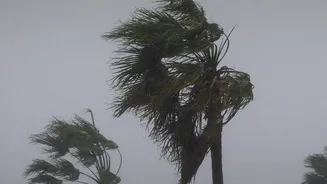
High winds are an invisible but powerful threat on the road. A High Wind Warning is typically issued for sustained winds of 40 mph or more, or gusts exceeding 58 mph. These gusts can make it difficult to control your vehicle, especially high-profile ones like SUVs, vans, or trucks, which can be pushed out of their lane or even tipped over. Strong winds can also blow debris like tree branches into your path. When a high wind warning is in effect, it's best to postpone your trip if possible. If you must drive, reduce your speed, keep a firm two-handed grip on the steering wheel, and maintain extra distance from large vehicles.
Extreme Heat Warnings
Intense heat affects both you and your vehicle. An extreme heat warning signals temperatures that can put a major strain on your car's systems. The heat causes the air inside your tires to expand, increasing pressure and raising the risk of a dangerous blowout at high speed. Engines are also more likely to overheat as the cooling system works overtime. Beyond the mechanical risks, extreme heat can cause driver fatigue, dehydration, and heatstroke, impairing your judgment and reaction time. During a heatwave, it is wise to limit travel to cooler parts of the day or postpone long drives altogether.
Dust Storm (Andhi) Warnings
In many parts of India, a dust storm, or 'Andhi', can appear suddenly as a towering wall of dust, reducing visibility to near-zero in an instant. These storms are exceptionally hazardous for drivers because you can be blinded with almost no warning. If you see a dust storm approaching, do not drive into it. The recommended emergency procedure is to pull your vehicle as far off the pavement as possible, stop, set the emergency brake, and turn off all of your lights, including your tail lights. This prevents other drivers from following your lights and crashing into your parked vehicle.
Severe Thunderstorm or Hail Warnings
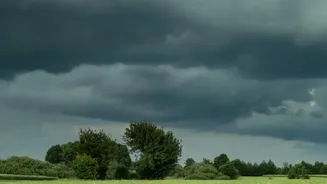
A severe thunderstorm warning means a storm with large hail or damaging winds is imminent or occurring. While many people are used to driving in the rain, these storms are a significant step up in danger. Heavy rainfall can lead to hydroplaning, where your tires lose contact with the road. Large hail can shatter windshields and cause significant body damage, while strong winds associated with the storm carry the same risks as a high wind warning. When a severe thunderstorm warning is issued for your route, the safest course of action is to delay your trip or pull over at a safe location, like under a sturdy shelter or in a covered parking area, until the storm passes.
Heavy Rain and Waterlogging Alerts
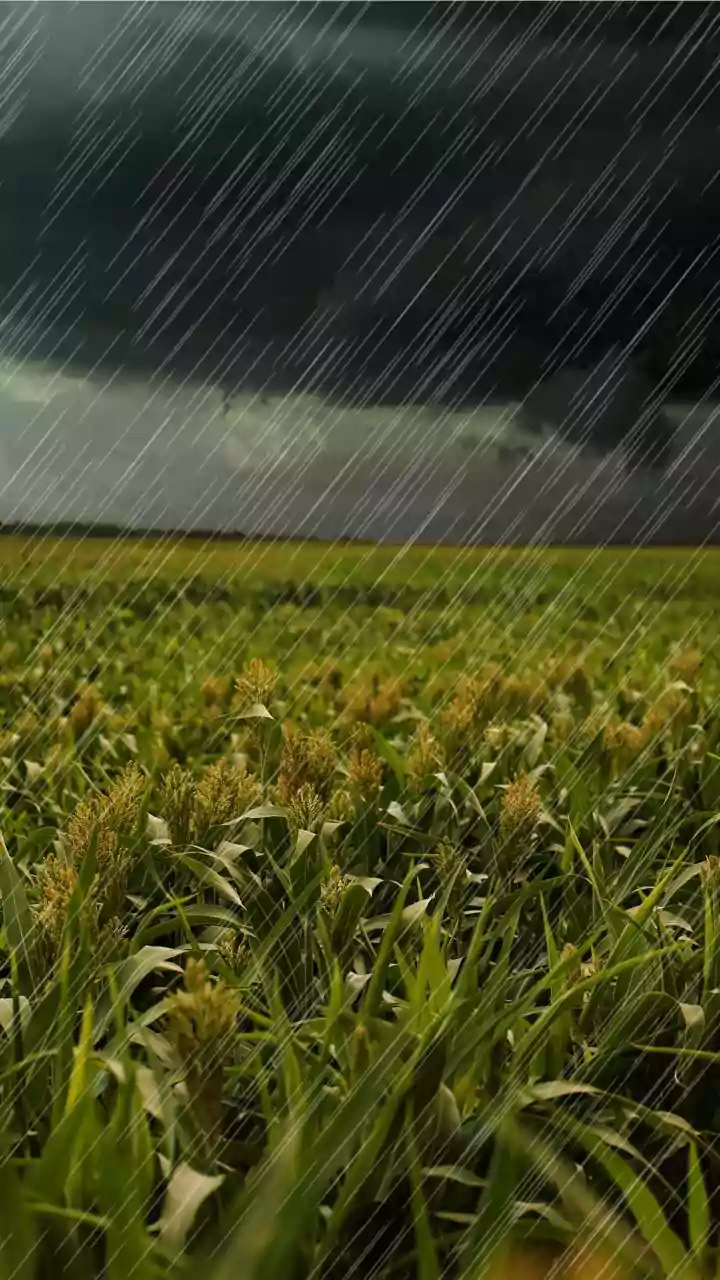
During monsoon season or periods of intense rainfall, authorities often issue alerts for heavy rain and waterlogging. Unlike a flash flood, this is about the accumulation of standing water on roads, especially in low-lying urban areas. Driving through these inundated streets is a gamble. You cannot be sure of the water's depth or what hazards lie beneath the surface, such as potholes or debris. Stalling your engine is a common risk, which can leave you stranded in a dangerous situation and cause expensive electrical damage to your car. If roads on your route are known to be waterlogged, it is always better to find an alternative path or wait until the water recedes.