



The Monsoon's Secret Bounty
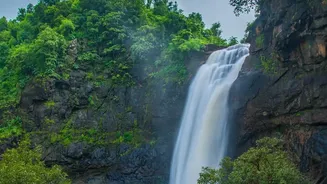
When the monsoon arrives, it transforms the landscape into a canvas of vibrant greens. But beneath the canopy, a more subtle magic is at work. The cool, damp, and humid environment is the perfect incubator for fungi to flourish. This is when India's hidden
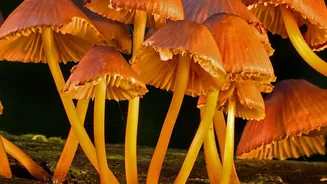
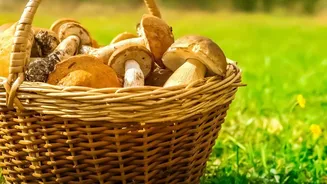
pantry opens, revealing a spectacular, if brief, appearance of unique wild mushrooms, many of which cannot be commercially grown. From the misty hills of Sikkim to the forest floors of the Western Ghats, the rainy season triggers a quiet explosion of life, beckoning those with a keen eye and an adventurous spirit.
An Adventure in the Undergrowth
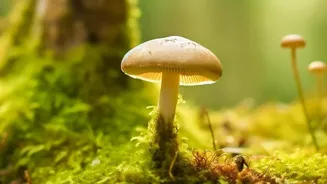
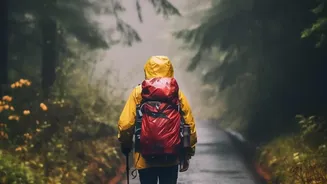
For the adventure seeker, mushroom hunting is more than a casual walk; it's a treasure hunt designed by nature. The thrill lies in the chase—navigating dense forests, scanning decaying logs, and peering under mossy bark. It’s an activity that demands patience and observation, a slow, deliberate process of learning to see the forest floor like a forager. Enthusiasts speak of the deep satisfaction that comes not just from finding a rare specimen like a meaty 'Rugda' near a Sal tree in Jharkhand or the prized 'Gucchi' in Kashmir, but from the act of searching itself. It's a gamble; you might walk for miles and find nothing, but the possibility of discovery keeps you going. This connection to the land, far from city life, is a powerful draw for urbanites seeking an escape.
From Forest Floor to Gourmet Plate
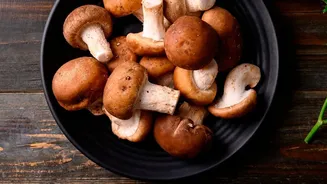
For the food enthusiast, the reward is tangible and delicious. Wild mushrooms offer a complexity of flavour and texture that cultivated varieties rarely match. In Goa, the celebrated 'Olmi' mushrooms, which grow on termite mounds, are turned into a classic Xacuti, a fiery coconut-based curry that locals eagerly await each year. In Karnataka, 'Mange mara kum' found on mango logs are made into rich gravies. These are not ingredients you find in supermarkets; they are seasonal heirlooms, with recipes passed down through generations. The journey from foraging in the wild to feasting on your harvest offers a profound connection to food, a reminder that it comes from the earth, not just a delivery app.
The Wisdom of the Wild
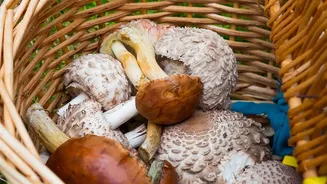
This pursuit is not without its perils. A fundamental rule of foraging is to never eat what you cannot identify with 100% certainty. Many poisonous mushrooms have edible look-alikes, and a mistake can be fatal. This is where the importance of indigenous and local knowledge becomes paramount. For generations, tribal communities in regions like Wayanad, Jharkhand, and Coorg have passed down the wisdom of identifying safe fungi based on appearance, smell, and location. For newcomers, joining a mycologist-guided walk or learning from experienced local foragers is essential. These experts teach not only identification but also sustainable harvesting, ensuring the delicate ecosystem is preserved for future seasons.
A Community Forged in Nature
Beyond the individual thrill, mushroom hunting fosters a sense of community. Foraging walks are becoming increasingly popular in and around cities like Delhi and Ahmedabad, attracting a mix of conservationists, adventurers, and curious residents. These events are about more than just collecting mushrooms; they are about learning to observe, sharing knowledge, and reconnecting with the natural world that thrives even in urban pockets. In rural areas, it's often a family affair, a seasonal ritual where surplus is shared with neighbours, strengthening community bonds. This shared passion, rooted in the rhythms of the monsoon, creates a unique camaraderie among those who chase the rain for these fleeting, earthy delights.