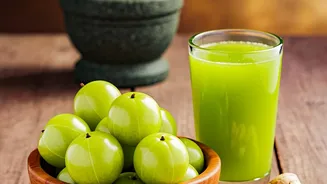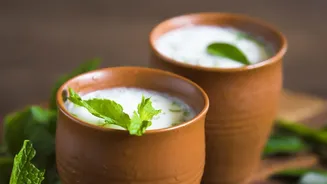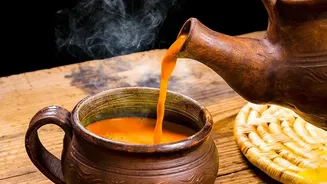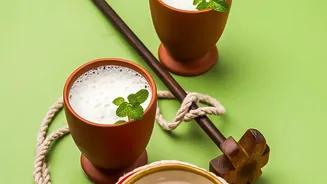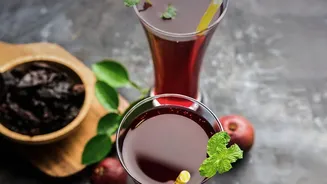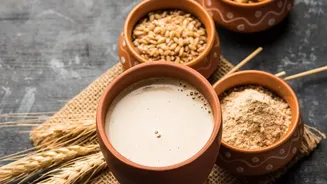




That glass of aam panna or nimbu pani, once a simple homemade staple, is now appearing in chic bottles on supermarket shelves and cafe menus. This isn't just a trend; it's a revival, blending nostalgia with savvy new business strategies.
A Renaissance of Roots and Identity
At its heart,
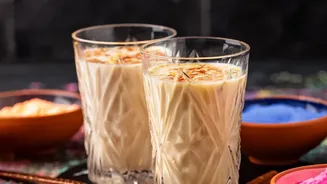
the revival of classic Indian beverages is a cultural movement. For years, the market was dominated by global soft drink brands, but a shift is underway. Consumers, particularly younger generations, are increasingly seeking authenticity and a connection to their heritage. This trend is part of a broader reclamation of Indian identity in the food space, where traditional recipes and indigenous ingredients are being celebrated, not just for their taste, but for the stories and memories they carry. Drinks like jaljeera, kokum sharbat, and thandai are more than just refreshments; they are a taste of home, of festivals, and of family traditions passed down through generations. In a world of synthetic flavours, the familiarity and perceived purity of these drinks offer a powerful sense of comfort and cultural pride.
The Modern Wellness Connection
This cultural pull is powerfully amplified by the global health and wellness wave. Long before 'functional beverages' became a marketing buzzword, these Indian drinks were delivering health benefits. Aam panna is a well-known remedy for heat stroke, rich in Vitamin C; jaljeera acts as a digestive aid; and thandai is a blend of nuts and seeds that provides natural energy. As today's consumers become more health-conscious, they are scrutinising labels and moving away from high-sugar, artificially flavoured drinks. Traditional recipes, built on natural ingredients like spices, herbs, and fruits, fit perfectly into this modern demand for clean, purposeful consumption. Many see these drinks not just as a treat, but as a way to incorporate the principles of Ayurveda and traditional wellness into their busy lives.
New Players, New Playbook
The cultural demand for these drinks has created a fertile ground for a new wave of entrepreneurs. Startups and direct-to-consumer (D2C) brands have been quick to spot the market gap that larger corporations overlooked for years. Companies like Paper Boat pioneered the category by proving that consumers would pay a premium for traditional flavours packaged in a convenient, modern format. Following this success, other brands like Lahori Zeera have achieved massive growth by focusing on specific regional tastes and accessible price points, particularly in Tier-III and Tier-IV towns. These companies are rewriting the beverage playbook by combining authentic recipes with slick branding, robust distribution networks, and a deep understanding of consumer nostalgia.
The Economics of Authenticity
The revival is not just about sentiment; it's also smart business. The Indian functional beverage market is growing rapidly, with projections showing significant expansion in the coming years. Brands are successfully positioning these traditional drinks as premium products. Consumers who are willing to spend more on specialty coffee or craft beer are now also willing to pay for a high-quality, authentically made aam panna. This 'premiumisation' is supported by a focus on quality ingredients, clean labels with no preservatives, and attractive, story-driven packaging. Furthermore, the rise of quick commerce has made it easier than ever for consumers to experiment with new and regional brands, fueling impulse buys and accelerating the growth of this category.