



The Global Goes Local
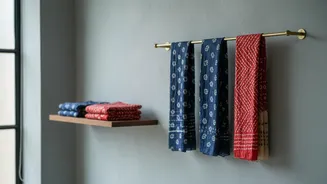
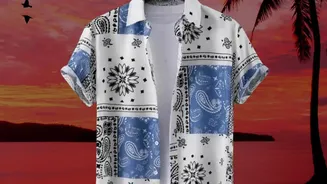
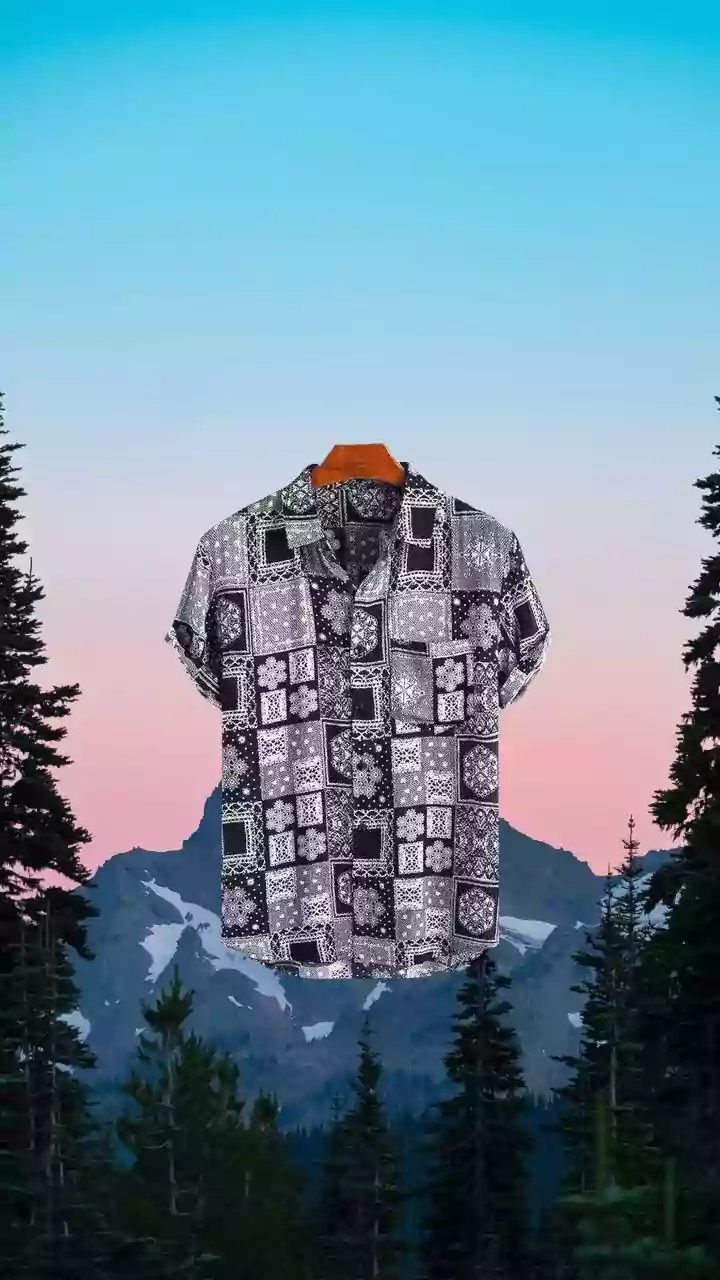
Scarves, worn as head coverings, neckties, and even tops, are one of the most visible trends of 2026. From high-fashion runways to street style, the simple square of fabric has been elevated to a key accessory. Within this revival, the intricate, dot-filled
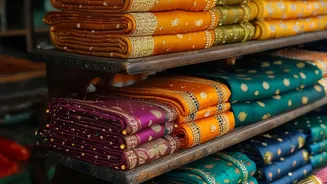
patterns of Indian Bandhani are emerging as a global favorite. Long associated almost exclusively with traditional Indian celebrations, the 5,000-year-old craft is being embraced for its authenticity and visual richness. Designers and style influencers are looking past generic paisley and towards the vibrant, meaningful patterns of Bandhani, signaling a shift where heritage crafts are seen as the new luxury.
From Festive to Functional
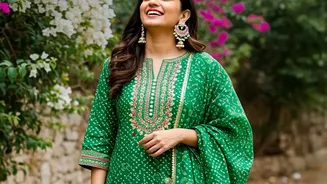
For generations of Indians, Bandhani has been the fabric of celebration—worn primarily as sarees, dupattas, and lehengas for weddings and festivals. But 2026 sees the craft breaking free from the occasion-wear trunk. The new avatar of Bandhani is lighter, more wearable, and integrated into contemporary silhouettes. We are now seeing Bandhani prints on everything from casual kurta sets and co-ord pieces to crop tops, jackets, and even accessories. This shift is driven by a desire for clothing that feels culturally rooted yet practical for modern life. Brands are using breathable fabrics like cotton and crepe, making Bandhani an option for office ethnic days and casual outings, not just grand events.
A Rich Tapestry of History
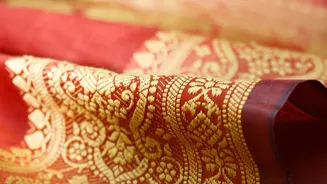
To appreciate the trend is to understand its origin. The word 'Bandhani' comes from the Sanskrit root 'bandh,' meaning 'to tie'. It's a highly skilled, resist-dyeing technique from Gujarat and Rajasthan where artisans meticulously hand-tie thousands of tiny knots on a fabric before dyeing it. These knots prevent the dye from penetrating, creating a distinct dotted pattern when opened. With a history stretching back to the Indus Valley Civilization, this craft is ancient and storied. Different patterns and colors hold specific cultural meanings; red often symbolizes marriage, while yellow signifies new beginnings. Each piece is a testament to painstaking, multi-generational craftsmanship.
Navigating the New Wardrobe
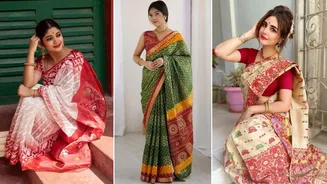
Incorporating this trend into your wardrobe is about balance. The key is to let the Bandhani piece be the star. A Bandhani print top, for instance, pairs beautifully with simple white trousers or classic denim. A Bandhani dupatta can elevate a solid-colored kurta or even be styled as a chic cape over a western outfit. For a more integrated look, modern kurta sets in straight-cut or minimalist designs offer an easy entry point. Accessories are another effortless way to participate; a Bandhani scarf or even printed sneakers can add a vibrant touch without overwhelming your look. The modern approach is to mix and match, pairing the traditional print with contemporary silhouettes for a look that feels both personal and current.
Appreciation in an Age of Authenticity
As Indian textiles like Bandhani gain global traction, the conversation around cultural appreciation becomes more important. Recent instances, like a controversial skirt from an international luxury brand in April 2026, highlighted the fine line between inspiration and appropriation. The 2026 trend, however, feels different. It's happening at a time when consumers are increasingly valuing authenticity, craftsmanship, and sustainable practices—qualities inherent to Bandhani. The revival is also being led by Indian designers and brands who are innovating from a place of deep cultural understanding. This global moment is not just about a print; it's about the growing recognition of Indian craftsmanship as a powerful and timeless force in fashion.