







A Familiar Flavour, A Modern Fizz
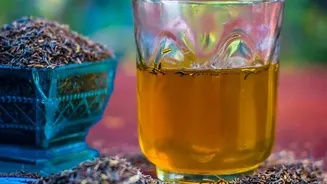
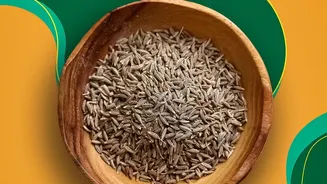
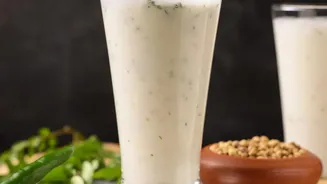
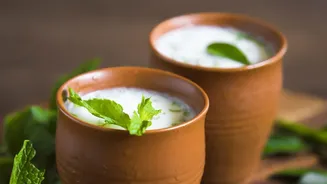
The taste of jeera, or cumin, is deeply woven into the fabric of Indian cuisine. It’s the earthy, aromatic backbone of countless dishes. For generations, homemade drinks like jal-jeera have been a go-to remedy for digestion and a refreshing escape from
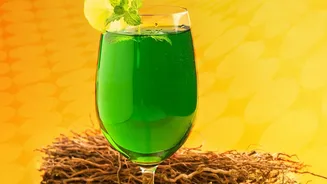
the heat. Cumin soda captures this exact essence—a savoury, tangy, and slightly spicy profile—and puts it in a convenient, ready-to-drink bottle. This blend of traditional flavour and modern convenience is proving to be an irresistible combination for millions of consumers across the country.
The 'Desi' Flavour Revolution
The rise of cumin soda is part of a larger movement in India's consumer market: a confident return to local tastes. After years dominated by multinational brands selling a Western lifestyle, consumers are increasingly seeking products that reflect their own culture and heritage. This 'regional taste nostalgia' is driving innovation across the food and beverage industry, from millet-based snacks to tamarind candies. Cumin soda is a leading example of this shift, demonstrating that familiar, authentic flavours can compete with, and even beat, global giants. Recent reports show that the market share of ethnic beverages has surged, chipping away at the long-held dominance of international cola companies.
A Crowded and Competitive Market
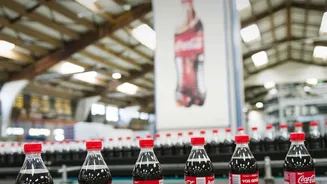
The success of this flavour has not gone unnoticed, creating a fiercely competitive landscape. While the market was once fragmented with small, regional players, it's now a battleground for national brands. Parle Agro, a veteran in the Indian beverage space, launched its jeera drink 'Dhishoom' nationwide after years of selling it in rural markets. It faces stiff competition from brands like Lahori Zeera, which started as a kitchen experiment and is now a multi-million dollar business, and Jeeru by Xotik Frujus. Even global behemoths are in the game. Coca-Cola owns the legacy brand Rimzim, and PepsiCo has its own version with Nimbooz Jeera Soda, highlighting the flavour's undeniable commercial appeal.
The Rs 10 Advantage
A key driver of cumin soda's explosive growth is its affordability. Many brands are strategically priced at around Rs 10, making them accessible to a vast segment of the population, particularly in smaller towns and rural areas where price sensitivity is high. This pricing strategy has allowed local brands to build massive volume and establish deep distribution networks. However, this advantage also presents a challenge. With thin profit margins, rising costs for raw materials like sugar and packaging can quickly squeeze manufacturers. Despite this, the demand continues to soar, with some producers reporting they are unable to keep up, even after doubling production capacity.
More Than a Drink, It's an Identity
Ultimately, the choice of a cumin soda over a classic cola is more than just a matter of taste; it's a statement. It reflects a growing confidence in local products and a desire for authenticity. Consumers are no longer just buying a beverage; they are buying a product that feels like their own. This cultural shift is forcing every player in the market, big and small, to recognize that the Indian consumer's palate is diverse, and that homegrown flavours have a powerful and profitable place on the national stage. The success of cumin soda is not just about a single spice; it’s about a nation finding its own flavour.