




The Daily Dinner Dilemma
In many Indian households, mealtime can feel like a balancing act. You have family members with different preferences for spice and flavour. One person wants a fiery curry, another prefers something subtle, and children often reject anything that seems
too spicy. This often leads to one of two stressful outcomes: cooking multiple, separate dishes, which is exhausting and time-consuming, or making a single, bland meal that leaves no one truly satisfied. This daily challenge can take the joy out of cooking and turn what should be a connecting family ritual into a source of frustration. The good news is that you don't need to be a short-order cook in your own kitchen to keep everyone happy.
What is a 'Meal Base' Strategy?
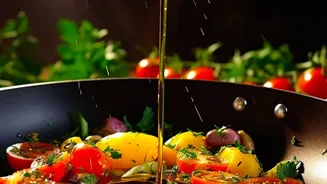
The 'meal base' strategy is a game-changing approach to family cooking. It involves preparing a large batch of a foundational, mildly-seasoned gravy or sauce that can be used as the starting point for multiple dishes. Think of it as the blank canvas for your culinary creations. This base is intentionally kept simple and low on heat, making it perfectly suitable for kids or those with sensitive palates. Once the base is ready, you can divide it. One portion can be finished simply, while the other portions can be customised with additional spices, chillies, or herbs to create the bolder flavours adults often prefer. This method streamlines the cooking process, reduces active cooking time, and ensures everyone gets a meal they genuinely enjoy.
Your Go-To Mild Bases
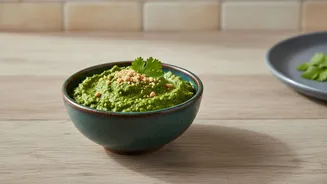
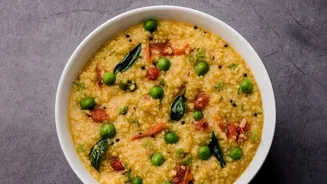
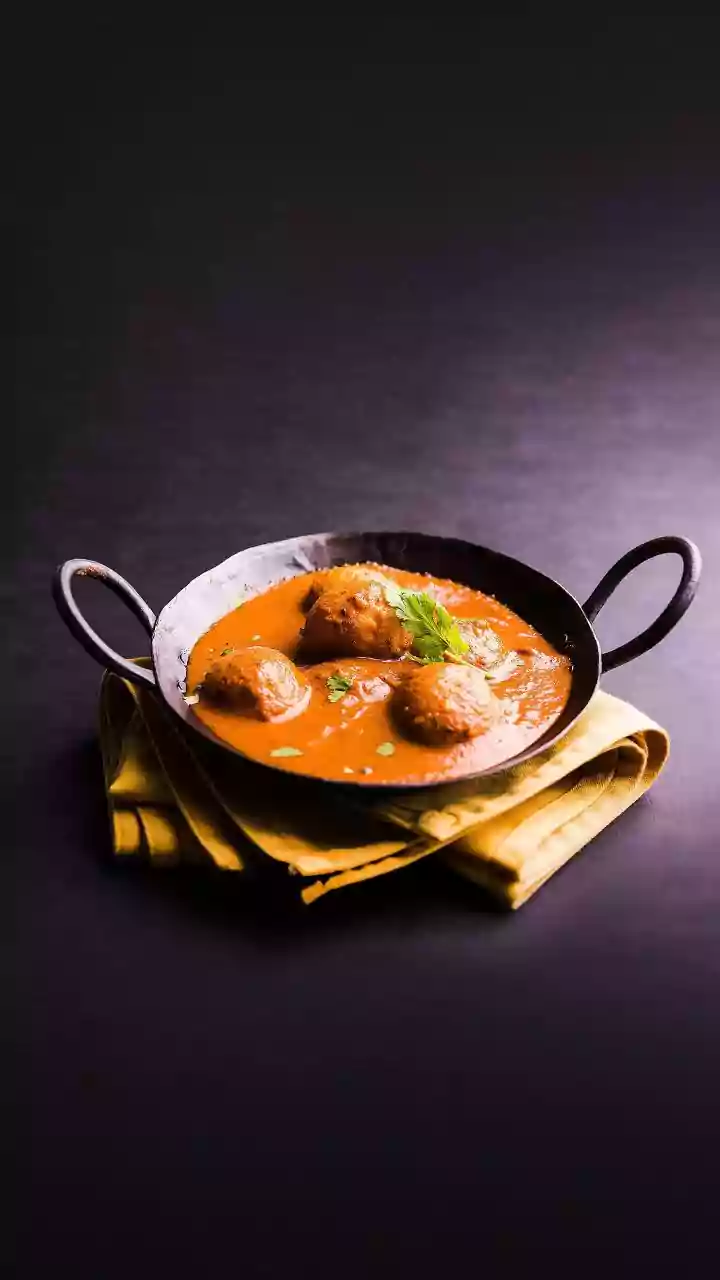
The beauty of this system lies in its versatility. You can prepare these bases in advance and store them for quick weeknight meals. Here are a few essential Indian bases to get you started: 1. The Classic Onion-Tomato Masala: This is the foundation of countless North Indian dishes. It's made by slowly sautéing onions, ginger, and garlic, then adding puréed tomatoes and cooking until the oil separates. For the base version, you use only mild spices like turmeric and coriander powder, completely omitting red chilli powder and green chillies. 2. The Creamy White Gravy: Perfect for milder dishes like korma or malai kofta, this base is typically made from a paste of soaked cashews or melon seeds, sometimes with onions and yogurt. It's naturally rich and creamy, providing a luscious texture that's very kid-friendly and a great canvas for adding aromatic spices like cardamom or saffron later. 3. The Simple Dal Base: A pot of simply boiled lentils (like toor or moong dal) with just turmeric and salt is another excellent base. It's nutritious and universally liked. From here, the customisation possibilities are endless.
The Art of Customisation
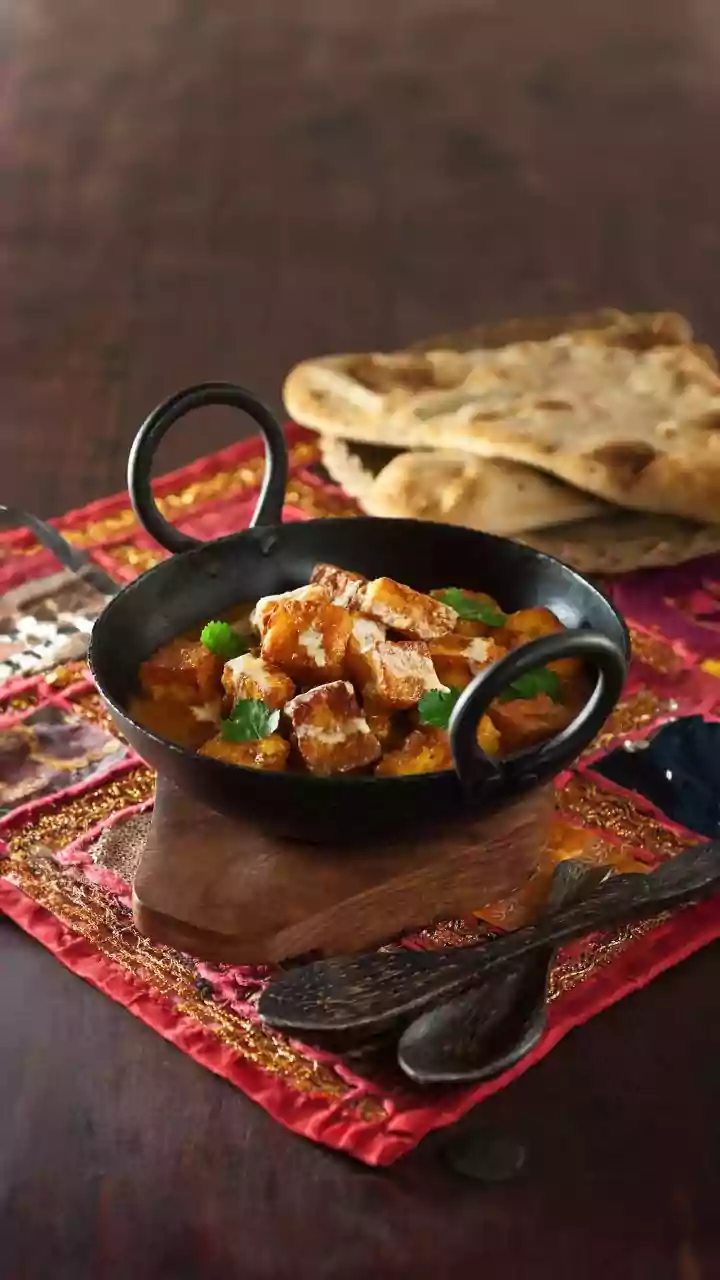
Here's where the magic happens. Once your mild base is prepared, divide it into separate pans. For the Kids' Portion: To the mild base, you can add paneer, boiled potatoes, mixed vegetables, or chicken and let it simmer. The flavour is gentle but still wholesome. You can add a touch of cream or yogurt to make it even milder and richer. For the Adults' Portion: Take the second portion of the base and start layering the flavours. You can add a tadka of cumin seeds and whole red chillies, stir in some green chillies, or sprinkle in robust spices like garam masala, kasuri methi (dried fenugreek leaves), or extra red chilli powder. Squeeze a bit of lemon or lime juice at the end to brighten the flavours. For a simple dal, you could make one tadka with just cumin and ghee for the kids, and another with garlic, chillies, and asafoetida (hing) for the adults.
Thinking Beyond Curries
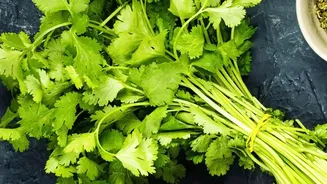
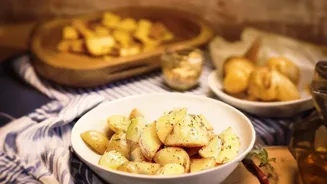
This modular approach isn’t limited to just gravies. It can be applied to many other types of meals. For instance, you can prepare a large batch of plain boiled and mashed potatoes. Use a portion to make simple, non-spicy potato stuffings for parathas or sandwiches for children. To the remaining portion, you can add chopped onions, green chillies, and coriander to create a spicier filling for the adults. Similarly, a basic dough for flatbreads can be divided—make plain rotis from one half, and from the other, make masala parathas by incorporating spices. The core principle remains the same: create a simple foundation and build upon it, saving time and effort while catering to everyone.