






1. White Rice for Millets
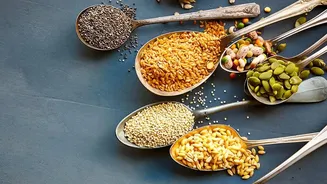
Once a humble staple, millets like jowar, bajra, and ragi are making a major comeback. Polished white rice is primarily a simple carbohydrate, but millets are complex carbs packed with significantly more dietary fibre, protein, and essential minerals
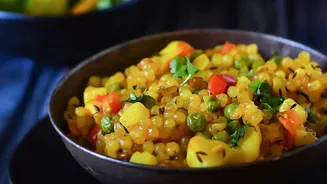
like iron and calcium. This high fibre content helps you feel full longer and prevents the rapid blood sugar spikes often associated with white rice, making millets a smarter choice for weight management and metabolic health. Start by mixing them with rice before moving to full millet-based dishes like upma or biryani.
2. Refined Sugar for Jaggery
The battle of sweeteners is an old one, but jaggery (gur) holds a distinct edge over refined white sugar. While both are high in calories, jaggery is unrefined and retains molasses, which contains trace minerals like iron, potassium, and magnesium that are stripped from white sugar. Jaggery is still a form of sugar and should be used in moderation, but its complex profile means it releases energy a bit more slowly. Its rich, earthy flavour also adds a unique dimension to traditional sweets and beverages.
3. Refined Vegetable Oils for Cold-Pressed Oils or Ghee
Refined oils undergo high-heat processing and chemical treatments that strip them of their natural nutrients and flavour. In contrast, traditional methods like cold-pressing (or 'kachi ghani') preserve the oil's antioxidants, Vitamin E, and healthy fats. Desi ghee, when consumed in moderation, is a source of healthy saturated fats and fat-soluble vitamins. For different cooking needs, a rotation of cold-pressed mustard, groundnut, sesame, or coconut oil offers a more nutrient-rich alternative to a single, highly processed vegetable oil.
4. All-Purpose Flour (Maida) for Whole Wheat Flour
Maida is made by stripping wheat of its bran and germ, leaving only the starchy endosperm. This process removes almost all the fibre and many vital nutrients. Whole wheat flour (atta), on the other hand, is made from the entire grain. It's significantly higher in fibre, protein, and B-vitamins, which support better digestion, gut health, and more stable blood sugar levels. While maida creates a lighter texture in baked goods, the nutty flavour and superior nutritional profile of whole wheat make it a better choice for daily staples like rotis and parathas.
5. Potato Chips for Roasted Makhana
For a crunchy snack, roasted makhana (fox nuts) are a clear winner over fried potato chips. Makhana is naturally low in fat and calories but rich in protein, fibre, and minerals like magnesium and potassium. Unlike fried snacks that offer empty calories, makhana provides sustained energy and keeps you feeling full, making it a powerful ally for weight management. A simple home-roast with a pinch of salt and turmeric turns this traditional food into a modern, guilt-free indulgence.
6. Potatoes for Sweet Potatoes
While both are nutritious tubers, sweet potatoes offer a different nutritional profile. They have a lower glycemic index, meaning they raise blood sugar more slowly than regular potatoes. Their biggest advantage is their incredibly high Vitamin A content, which is essential for vision and immune health. Baked or roasted sweet potato wedges seasoned with spices make a flavourful and fibre-rich alternative to traditional potato fries or sabzis.
7. Regular Curd for Greek Yogurt
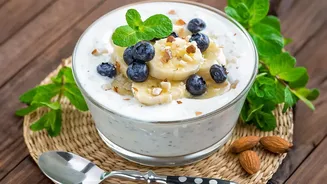
Both homemade curd and Greek yogurt are excellent for gut health. However, Greek yogurt has a distinct advantage in its protein content. It's made by straining regular yogurt to remove excess whey, resulting in a thicker product that packs nearly double the protein. This makes it more filling and beneficial for muscle repair. If you're looking to boost your protein intake, especially after a workout, swapping to plain, unsweetened Greek yogurt is an effective choice.
8. Cream-Based Gravies for Tomato or Yogurt Bases
Many rich Indian curries rely on heavy cream for their texture. A simple switch to a tomato puree or hung yogurt base can deliver the same creaminess with significantly less saturated fat. Tomato bases are rich in antioxidants like lycopene, while yogurt-based gravies add a dose of probiotics and protein. This swap allows you to enjoy flavourful curries like butter chicken or palak paneer in a much heart-friendlier way.
9. Sugary Packaged Drinks for Buttermilk or Coconut Water
Packaged juices and sodas are often loaded with refined sugar and artificial flavours, leading to energy crashes. Traditional Indian drinks offer superior hydration. Masala chaas (spiced buttermilk) is a fantastic probiotic drink that aids digestion, while fresh coconut water is a natural electrolyte powerhouse. Both are refreshing, low in calories, and provide health benefits that sugary soft drinks simply cannot match.
10. Regular Bread for Sourdough or Multigrain
Standard white bread is another product made from refined maida, offering little nutritional value. Upgrading to whole-grain or multigrain bread instantly increases your intake of fibre and essential nutrients. Sourdough bread offers another unique advantage; the fermentation process used to make it can break down some of the gluten and anti-nutrients in the flour, potentially making it easier to digest and improving the absorption of minerals.