


A Nutritional Snapshot
From a distance, their nutritional profiles seem similar, but a closer look reveals important distinctions. Butternut squash is the lighter option, containing significantly fewer calories and carbohydrates per serving than sweet potato. For instance,
a cup of cooked butternut squash has about 82 calories and 22 grams of carbs, while the same amount of sweet potato contains around 180 calories and 41 grams of carbs. However, sweet potato packs more protein and dietary fiber, making it more filling. It's also a powerhouse of potassium and vitamin A. So, if you're aiming for a lower-calorie, lower-carb option, butternut squash is your winner. If you need a more substantial, nutrient-dense ingredient to keep you full, sweet potato is the better choice.
The Difference in Taste and Texture
This is where the two truly diverge. Sweet potatoes are noticeably sweeter and have a starchy, dense texture. When roasted, they become creamy and their edges caramelize beautifully. Butternut squash has a milder, nuttier flavour that is less sugary. Its texture is also more watery and fibrous. When cooked, it becomes silky smooth, which is why it’s a favourite for puréed soups. A sweet potato’s dense flesh helps it hold its shape better in casseroles or when cut into fries, whereas butternut squash can become softer and break down more easily.
Ease of Preparation
Before you can even cook them, you have to prep them, and one is clearly more challenging. Butternut squash, with its tough, pale skin, can be intimidating. However, the skin comes off relatively easily with a good vegetable peeler. The most difficult part is often cutting through its dense neck. Sweet potatoes have a much thinner skin that can be left on for many recipes, like baked sweet potatoes or wedges. Peeling them can sometimes be trickier than squash because the peeler may snag on the softer flesh, but generally, they are considered easier to handle and chop. For a shortcut, many stores now offer pre-cut butternut squash cubes, which can be a huge time-saver.
When to Use Sweet Potato
The sweet potato’s starchy texture and inherent sweetness make it incredibly versatile. It excels in dishes where it needs to hold its shape or provide a creamy, thick consistency. Think of crispy baked sweet potato fries, hearty wedges, or a classic sweet potato pie. Its ability to bind ingredients makes it a great addition to veggie burgers or meatballs. They are also perfect for mashing into a creamy side dish, stuffing for a complete meal, or even blending into a smoothie for a nutrient boost. For a simple and satisfying meal, a baked sweet potato topped with butter, salt, and pepper is hard to beat.
When to Use Butternut Squash
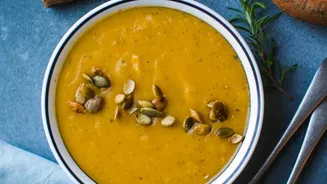
Butternut squash shines in recipes where its silky texture and mild, nutty flavour can be highlighted. It is the undisputed champion of creamy, blended soups, creating a velvety base without needing much, if any, dairy. Its ability to hold its shape better than a sweet potato when roasted in cubes makes it perfect for tossing into salads, grain bowls, and risottos. The hollowed-out seed cavity of the squash makes it a natural vessel for stuffing with grains, cheese, and herbs for an impressive main course. Its subtle sweetness also pairs beautifully with savoury flavours in curries and stews.