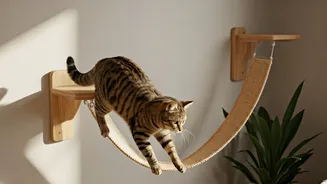









Why Cats Crave the High Ground
Have you ever found your cat perched atop a bookshelf or the highest point of a sofa? This behaviour isn't just a quirky habit; it's deeply ingrained. In the wild, height means safety. From an elevated vantage point, a cat can survey its territory, spot
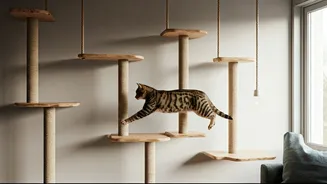
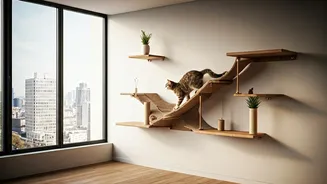
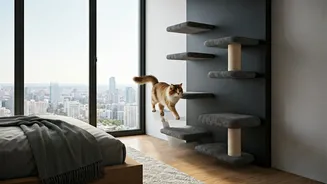
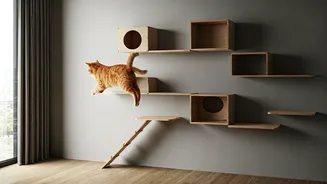
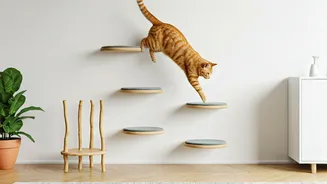
potential threats (or prey), and relax without fear of being ambushed. In our homes, this instinct remains strong. Providing vertical spaces like wall bridges, shelves, and perches creates what cat behaviourists call a 'vertical world.' This expands your cat's usable living area, reduces stress in multi-pet households by providing escape routes, and gives them a secure place to nap and observe the daily goings-on of their human family.
Choosing the Perfect Bridge
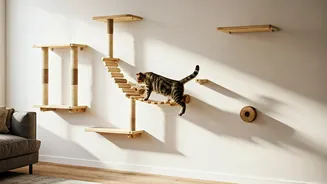
Not all cat bridges are created equal. When shopping, prioritise safety and cat-friendliness over aesthetics alone. Look for bridges made from solid wood rather than particleboard, which can weaken over time. The surface should offer good grip; bare, slickly varnished wood can be treacherous for feline paws. Look for bridges with rope-wrapped steps, carpeted surfaces, or a natural wood grain that provides texture. Check the construction of the rope components. They should be thick, sturdy, and securely fastened. Finally, consider the length and flexibility. A bridge that is too slack can feel unstable and deter a cautious cat, while one that is too rigid might as well be a simple shelf. A slight, gentle sway is often ideal, providing a fun but secure challenge.
The Golden Rule: Secure Installation
This is the most critical step, and there are no shortcuts. A poorly installed bridge is a serious safety hazard. Your number one tool is a stud finder. Do not attempt to mount a cat bridge, especially one that will bear the dynamic weight of a leaping cat, using only drywall anchors. They are not designed for this kind of load and will fail. Locate the wooden studs in your wall and mark their centres. Your bridge's mounting brackets must be screwed directly into these studs using screws that are long enough to penetrate at least 2.5 to 4 centimetres into the wood. Follow the manufacturer's instructions to the letter. If you are not confident in your DIY skills, it is absolutely worth hiring a professional. The peace of mind knowing your cat is safe is priceless.
Planning Your Cat's Superhighway
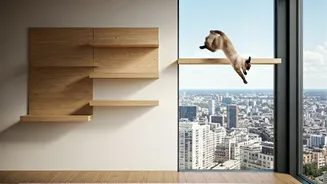
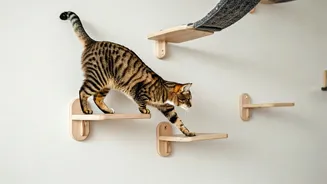
A bridge to nowhere is far less appealing than a bridge that is part of a larger network. Think like a cat: where would you want to go? Plan the placement of your bridge to connect other desirable spots. It could link two tall cat trees, run from a window perch to a wall-mounted cat bed, or create a high-traffic route above a doorway. Ensure there are clear 'launch' and 'landing' zones that are sturdy and spacious enough for your cat to comfortably jump from and to. Avoid placing the bridge in a high-traffic human area where your cat might feel nervous or be accidentally bumped. The goal is to create a seamless, cat-only highway that allows them to navigate a room without ever touching the floor.
The Slow and Steady Introduction
Once your bridge is securely installed, resist the urge to simply place your cat on it. This can be frightening and create a negative association. Instead, let them discover it on their own terms. Use positive reinforcement to build their confidence. Place a trail of their favourite high-value treats along the bridge. Use a wand toy to entice them to place a paw on it, then two paws, and eventually walk across. Keep sessions short and positive, ending before your cat gets bored or frustrated. Every cat is different; a bold adventurer might conquer the bridge in minutes, while a more timid cat may take weeks to trust it. Be patient and celebrate every small step of progress.