

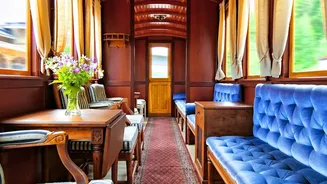

The Rise of the Conscious Traveller
There's a quiet revolution happening in Indian travel. Instead of cramming multiple cities into a week, a growing number of millennial and Gen Z travellers are embracing 'slow travel'. This approach prioritises deep, immersive experiences over a frantic
race to tick off landmarks. It’s a conscious choice to slow down, disconnect from the frantic pace of daily life, and truly absorb the culture and landscape of a region. This mindset shift has sparked a renewed interest in one of the most classic forms of transport: the train. No longer just a means to get from A to B, scenic rail journeys are becoming the main event, offering an antidote to the stress of budget flights, with their long security queues and restrictive baggage rules.
Redefining 'Budget Luxury' on the Tracks
When you hear 'luxury train', you might picture the astronomical prices of palace-on-wheels style experiences. But the new trend of 'budget luxury' is far more accessible. The perfect example is Indian Railways' Vistadome coaches, which are becoming incredibly popular on scenic routes. These special coaches offer a premium experience at a fraction of the cost. They feature panoramic glass windows, transparent roofs for a sky-view, and comfortable, rotating seats that allow passengers to always face the direction of the best scenery. Coupled with observation lounges, they turn a regular train ride into an event. These coaches are a hit on picturesque routes like the Mumbai-Goa line, famous for its views of valleys and waterfalls, and the Mumbai-Pune journey through the Western Ghats.
Journeys Through Living Heritage
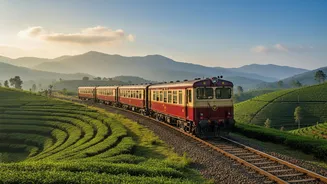
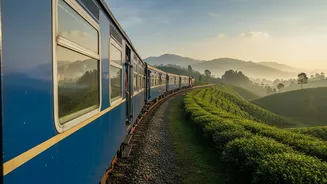
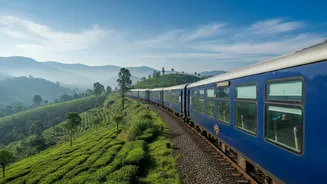
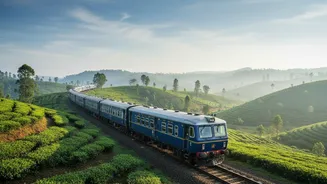
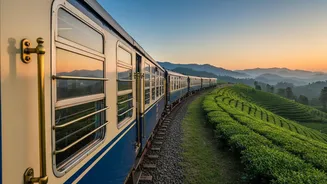
Beyond modern comforts, young travellers are also seeking authentic connections to the past. India’s historic 'toy trains'—part of the UNESCO World Heritage Mountain Railways—deliver this in spades. These narrow-gauge lines, marvels of 19th and early 20th-century engineering, offer some of the most spectacular journeys in the country. The Kalka-Shimla Railway chugs through pine forests and over 100 tunnels to reach the Himalayan foothills. The Darjeeling Himalayan Railway, famous for its charming steam engines and the iconic Batasia Loop, weaves through vibrant tea gardens. Down south, the Nilgiri Mountain Railway climbs Asia's steepest track to Ooty. While special tourist charters exist, regular passenger services on these routes are remarkably affordable, with fares sometimes as low as a few hundred rupees, making them a perfect example of budget-friendly heritage travel.
Why The New Generation Is On Board
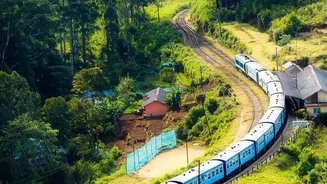
The appeal for younger travellers is multi-faceted. Firstly, these journeys are incredibly photogenic, providing a constant stream of stunning content for social media. More importantly, they align with a growing desire for experiences over possessions. The slow, rhythmic pace of the train is a form of digital detox, offering a chance to read, talk, or simply watch the world go by. There is also an environmental component, as many young travellers are conscious of their carbon footprint and see rail as a greener alternative to flying. Ultimately, these train trips are not just about transport; they're about creating memories, engaging with fellow passengers, and seeing India’s diverse landscapes unfold in real-time right outside your window.