








Stop Counting Every Penny
The single biggest mistake people make is thinking a budget requires tracking every dollar. That’s exhausting and why most of us quit. Instead, think bigger picture. The most popular and effective framework for this is the 50/30/20 rule. It’s incredibly
simple: 50% of your after-tax income goes to Needs, 30% to Wants, and 20% to Savings and debt repayment. 'Needs' are the essentials: housing, utilities, groceries, and transportation. 'Wants' are everything else: dining out, entertainment, hobbies, and that streaming service you barely use. The 'Savings' portion is for your future self—retirement, investments, and emergency funds. You don’t need a complex spreadsheet. Just look at your monthly income and divide it into these three buckets. This high-level view tells you if you’re generally on track without making you feel bad about buying a coffee.
Put Your Finances on Autopilot
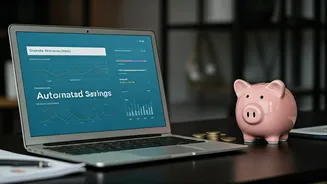
Willpower is a finite resource. Stop relying on it to make good financial decisions every payday. The secret to effortless progress is automation. Set up automatic transfers from your checking account the day you get paid. The first transfer should send at least 20% (your Savings bucket) into a separate high-yield savings account or investment account. Don't even let the money sit in your primary account where you might be tempted to spend it. The second step is automating your bills. Most banks and service providers allow you to set up recurring payments for everything from your car payment and rent to your electricity bill. By automating your savings and your essential expenses, you’ve already handled the most important parts of your budget without lifting a finger each month. What’s left in your checking account is what you can safely spend.
Embrace the 'Anti-Budget'
If the 50/30/20 framework still feels too structured, try the 'anti-budget.' This is the ultimate simple-money-management hack. Here’s how it works: first, automate your savings and investments (see above). Second, make sure your recurring bills are paid, ideally automatically. And that’s it. The remaining money in your checking account is yours to spend on whatever you want, completely guilt-free. No tracking, no categories, no agonizing over small purchases. As long as you’ve paid your future self first and covered your core obligations, the rest is your discretionary spending fund. This method works because it front-loads the responsible decisions. It flips the script from 'What can I cut back on?' to 'How much do I have left to enjoy?' It’s a psychological game-changer that makes 'budgeting' feel like freedom, not a chore.
Schedule a Quick 'Money Date'
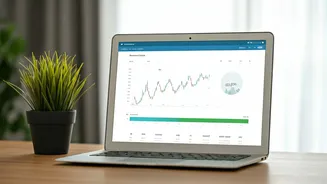
Easier budgeting doesn’t mean completely ignoring your finances. It just means being more efficient. Instead of daily tracking, schedule a 15-minute “money date” once a month. Put it on your calendar like any other important appointment. During this time, do three things: 1) Check that your automated transfers and bill payments went through correctly. 2) Look at your credit card and bank statements for any fraudulent charges or surprising expenses (like a subscription you forgot about). 3) Glance at your 50/30/20 buckets. Are you roughly on track? If not, is there a simple adjustment you can make for next month? This isn't about creating a detailed report. It’s a quick, low-stress check-in to ensure your automated system is working for you and to maintain a basic awareness of your financial health. Then close the laptop and go enjoy the rest of your day.