




Why August Is Prime Time
Throughout August 2026, Saturn becomes an increasingly brilliant feature of our night sky. The planet rises in the east in the evening, making its way across the sky throughout the night. This month is a fantastic lead-up to its 'opposition' in early
October. Opposition is an astronomical event when Earth passes directly between Saturn and the sun. This alignment means Saturn is at its closest and brightest for the year, rising around sunset and staying visible all night. While the peak is in October, August offers excellent viewing opportunities as the planet grows brighter and more prominent, climbing higher in a dark sky for those willing to stay up past midnight.
What to Look For
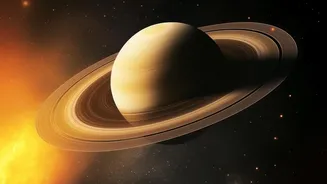
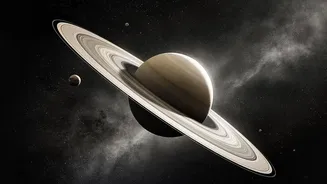
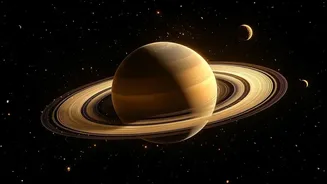
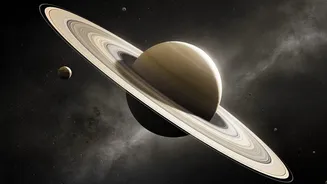
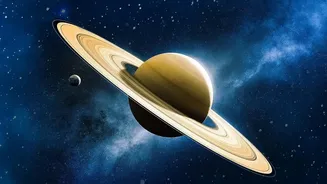
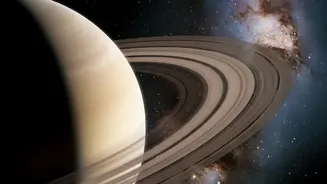
The main event, of course, is the rings. Even a small telescope with just 25x magnification will reveal that Saturn is not a simple point of light. You should be able to distinguish the planet itself—a pale, yellowish orb—from the magnificent ring system encircling it. With a decent backyard telescope (think a 3-inch scope or larger) and steady air, you might even glimpse the Cassini Division, a thin, dark gap separating the main rings. Don't expect a Hubble-quality image; the view will be small but exquisitely real. You can also look for Saturn's largest and brightest moon, Titan, which appears as a tiny, star-like point of light nearby. Many stargazing apps can show you exactly where to find it on any given night.
Your Viewing Toolkit
The headline isn't exaggerating: a 'small telescope' is truly all you need. A modest telescope with an aperture of 50-70mm is more than capable of showing you the rings. If you are just starting, a tabletop Dobsonian telescope is a popular and affordable choice that offers great views for its size. Even a good pair of high-powered binoculars (10x50 or stronger) held very steady might reveal Saturn as a tiny, non-circular shape, confirming you’ve found it, though you won't see the rings clearly. Beyond the optics, your best tools are patience and a good stargazing app on your phone. Apps like Sky Tonight, Stellarium, or Star Walk can show you exactly where Saturn is in the sky from your location.
How to Find the Ringed Planet
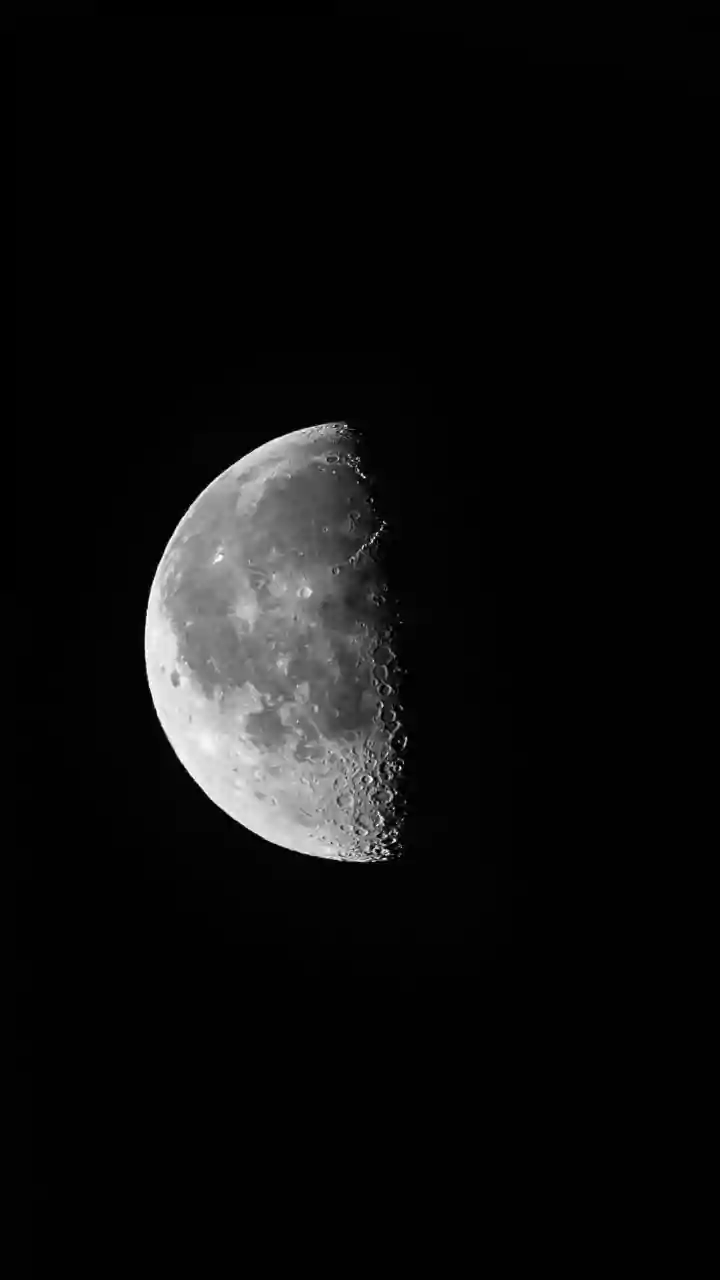
Finding Saturn this August is relatively straightforward. Throughout the month, it will be visible in the constellation Pisces. It will rise in the eastern part of the sky after 9 p.m. and become easier to observe as it climbs higher into the southern sky after midnight. A simple way to get your bearings is to look for a bright, steady, yellowish 'star' that doesn't twinkle as much as the others; planets often shine with a more stable light. The Moon can also be a helpful guide. On several nights in early and late August, the Moon will pass near Saturn, making the planet easy to pinpoint. For the best view, find a spot away from bright city lights, give your eyes about 20-30 minutes to adjust to the dark, and let your telescope acclimate to the outside temperature to prevent a blurry image.