






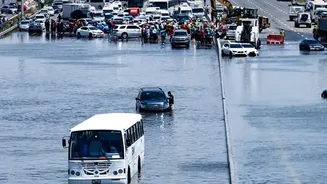


Why Our Cities Can't Handle Rain
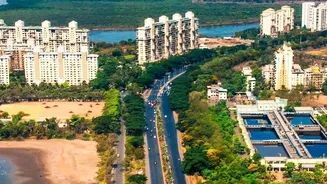
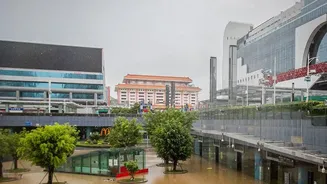
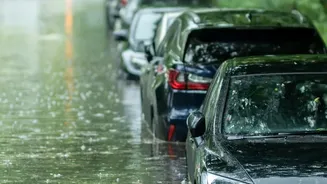
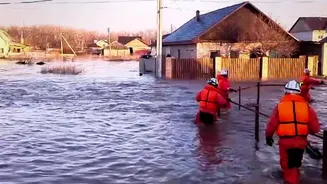
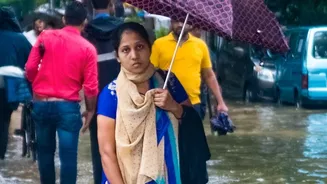
The annual cycle of urban flooding across India is often blamed on unusually heavy rainfall. While climate change is indeed bringing more intense downpours, the core of the problem is that our cities have lost their ability to manage water. Unplanned
and rapid urbanisation has led to construction over natural floodplains, lakes, and drainage channels, drastically reducing the land's capacity to absorb rainwater. Many of India's major cities are grappling with drainage systems that are decades, if not a century, old. These systems were designed for a much smaller population and less intense rainfall, and are now frequently overwhelmed, choked with silt and solid waste, leading to the waterlogging we see every year.
The Vanishing Sponges
Historically, cities were built around natural ecosystems that managed water for them. Wetlands, lakes, parks, and even simple open soil acted as giant natural sponges, absorbing excess rainwater, filtering it, and allowing it to recharge groundwater reserves. However, these vital ecosystems are often treated as wastelands, becoming prime targets for real estate development and garbage dumping. In recent decades, Indian cities have lost a significant percentage of their natural wetlands and water bodies to encroachment and concretisation. With nowhere for the water to go, it pools on impermeable surfaces and rushes into overwhelmed drainage systems, creating floods where there once was a natural buffer.
A Sea of Concrete
Walk through any major Indian city, and you're walking on a waterproof sheet. Roads, footpaths, and parking lots are paved with asphalt and concrete, materials that prevent water from seeping into the ground. This surge in impervious surfaces is a primary driver of urban floods. Instead of being absorbed, rainwater becomes surface runoff, gathering speed and volume as it flows across the concrete landscape. This not only increases the flood peak by up to eight times compared to rural areas but also means that a valuable resource—freshwater—is lost, washed away into contaminated drains instead of replenishing critically low groundwater tables. This creates a paradox where cities can experience severe floods and water scarcity in the same year.
Pumps: The Mark of a Failed System
Dewatering pumps are essential emergency tools, but their widespread use is a clear signal of systemic failure. They are a reactive measure, deployed only after the water has already caused disruption and damage. Relying on them as a primary flood management strategy is like using a bucket to empty a bathtub while the taps are still running full blast. These pumps can't prevent water from entering homes and businesses, can be overwhelmed by extreme rainfall, and often fail during power outages, which are common during storms. A truly resilient city is not one that is good at pumping water out, but one that is designed to not flood in the first place.
Building Resilient Cities of the Future
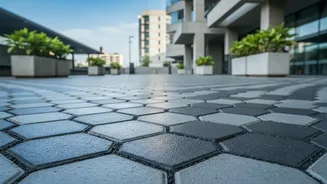
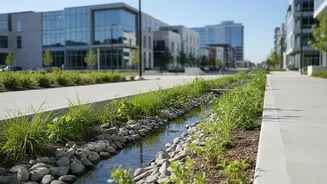
The solution lies in shifting from a 'grey' infrastructure of pipes and concrete to a 'blue-green' one that works with nature. The 'Sponge City' concept offers a promising path forward. This approach involves integrating green infrastructure like permeable pavements, rain gardens, green roofs, and bioswales into the urban fabric. These features help absorb, clean, and store rainwater where it falls. Restoring and protecting urban wetlands and lakes is equally critical, as these are a city's most powerful natural defence against both floods and droughts. Cities like Chennai are already experimenting with creating 'sponge parks' to increase water absorption and build resilience. By learning to live with water rather than just channelling it away, cities can become safer, more sustainable, and better prepared for the challenges of a changing climate.