







Europe's Golden-Hued Allure
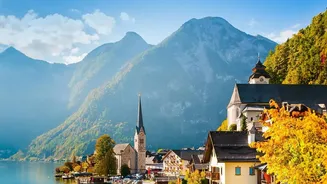
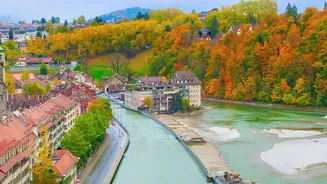
Europe in autumn has long been a photographer’s dream, and now it is capturing the imagination of Indian travellers seeking a different kind of holiday. The appeal lies in the pleasant, crisp weather and the spectacular transformation of the landscape
into shades of gold, orange, and red. For many, the shoulder season of September and October is the best time to visit, offering a sweet spot between comfortable weather and fewer crowds than the peak summer months. Destinations like Switzerland, Italy, France, and the UK are popular choices. Travellers can explore cities like Zurich and Lucerne or take scenic train journeys through the Alps, which are quieter after the summer rush. The season is ideal for sightseeing without the long queues, and the falling airfares are an added incentive. Flight prices to Europe can see a significant drop from their summer highs, making an autumn trip more budget-friendly.
Asia's Post-Monsoon and Festive Charm
Closer to home, Asia’s diverse destinations are also seeing a surge in interest. The “seasonal appeal” here is twofold: favourable weather and vibrant cultural experiences. In Southeast Asian countries like Thailand and Vietnam, the end of the monsoon season ushers in fresh, green landscapes and more pleasant temperatures. Meanwhile, East Asian destinations like Japan and South Korea offer their own stunning autumn foliage, with national parks like Seoraksan in South Korea becoming a major draw for their golden forests. This period also coincides with a string of festivals and public holidays in India, including Ganesh Chaturthi, Dussehra, and Navratri, giving families and groups of friends convenient opportunities for short breaks or longer holidays. The growing preference for Asia is also driven by practical factors like easier visa processes for several countries, better flight connectivity, and overall value for money.
What's Driving This Autumn Shift?
Several factors are contributing to this broadening of the Indian travel calendar. Firstly, there is a clear behavioural shift. Travellers are no longer waiting for major annual holidays to plan a trip; instead, they are taking more frequent, shorter breaks whenever an opportunity, like a long weekend, arises. Secondly, the decision-making process has evolved. Many now choose a holiday based on the experience they want, such as seeing autumn colours or attending a culinary festival, rather than just picking a destination. Travel companies have noted this trend, highlighting that experience-led itineraries are in high demand. The desire for more authentic and less crowded travel also plays a significant role. The shoulder seasons in both Europe and Asia offer a more relaxed atmosphere, allowing travellers to connect with the destination more deeply.
A Practical Guide for Autumn Planners
If you're inspired to plan an autumn getaway, a few tips can help ensure a smooth journey. For European destinations, it’s wise to apply for a Schengen visa well in advance, as slots can fill up quickly even outside of peak season. While airfares are generally lower, booking flights and accommodation early is still the best way to secure good deals. In Asia, while many destinations offer visa-on-arrival or visa-free entry, it's crucial to check the latest travel advisories and entry requirements. For both regions, packing layers is key. Autumn weather can be unpredictable, with warm days giving way to cool evenings. Finally, consider exploring beyond the main tourist hubs. Many travellers are finding unique experiences in lesser-known destinations, from the coasts of South Korea to the mountains of Switzerland.