






Before You Travel: A Proactive Approach
The best way to handle a disruption is to prepare before it happens. When booking, always provide your current mobile number and email address directly to the airline. This ensures you receive timely updates on cancellations or schedule changes. Consider
booking directly with the airline; this can simplify refund and rebooking processes. It is also wise to invest in a comprehensive travel insurance policy. Many policies offer coverage for trip cancellations, delays, and interruptions, reimbursing you for non-refundable expenses like hotels and tours. Look for plans that specifically cover flight delays and cancellations to safeguard your finances against unexpected costs.
At the Airport: Immediate Steps to Take
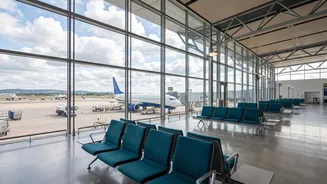
If your flight is cancelled or significantly delayed, stay calm and act methodically. First, contact the airline. Do this even if you are at the airport, as phone lines or the airline's app might be faster than queuing at the counter. Keep all your documents handy: your original booking confirmation, PNR, and any notification of cancellation from the airline. If the disruption happens at the airport, ask airline staff for written confirmation of the delay or cancellation and the reason. Be sure to save receipts for any expenses you incur, such as for meals, refreshments, or a hotel stay, as these may be required for compensation claims.
Know Your Rights: The DGCA Passenger Charter
In India, passenger rights are protected by the Directorate General of Civil Aviation (DGCA). If an airline cancels your flight with less than two weeks' notice, it must offer you either an alternative flight or a full refund. If the cancellation notice is less than 24 hours, you are entitled to monetary compensation in addition to a refund or rebooking. This compensation ranges from ₹5,000 to ₹10,000, depending on the flight's duration. For significant delays, airlines are obligated to provide meals and refreshments. If a delay extends overnight (for flights scheduled between 8 p.m. and 3 a.m.), they must provide hotel accommodation and transfers. It is crucial to remember that these rights apply even if the airline claims 'extraordinary circumstances' like bad weather, though cash compensation may not be applicable in those cases.
Claiming Refunds and Compensation
When the airline cancels your flight, you are entitled to a full refund if you choose not to take an alternative flight. Airlines must process refunds within 7 working days for credit card payments and 14 days for tickets booked via agents. Don't be forced into accepting a travel voucher if you prefer a cash refund; the choice is yours. If you are denied your rightful compensation or refund, the first step is to file a formal complaint with the airline. If the airline doesn't resolve the issue, you can escalate the grievance through the government's AirSewa portal (airsewa.gov.in), which is monitored by the DGCA. This platform forwards your complaint directly to the airline's nodal officer for resolution, which typically takes around 30 days.
Using Digital Tools to Your Advantage
In an era of constant connectivity, your smartphone is a powerful tool during travel disruptions. Airline apps often provide the fastest notifications and rebooking options. Recently, some airlines like IndiGo have faced website and app disruptions, highlighting the need to have the airline's contact centre number saved as a backup. Social media, particularly X (formerly Twitter), can also be an effective channel for customer service. Many airlines have dedicated social media teams that can provide information and assistance. When communicating, be clear, concise, and provide your flight details and PNR. A public post can sometimes elicit a quicker response than a private message.