





Why Seasonal Eating is a Smart Move
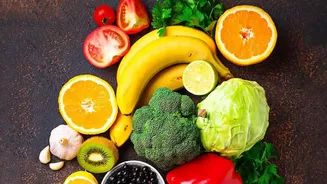
Following nature’s calendar is not just a nostalgic idea; it is a practical strategy for eating better for less. When fruits and vegetables are in season, they are at their peak of supply, which naturally drives down their cost. This produce is also fresher,
more flavorful, and packed with a higher density of nutrients compared to items that are grown out-of-season or transported over long distances. For example, the vitamin C in a locally grown, seasonal tomato can be significantly higher than in one purchased during the monsoon. This approach reduces reliance on expensive, cold-stored goods and aligns with traditional Ayurvedic principles of eating according to the 'ritu' or season to support digestion and immunity.
Embrace Autumn's Bounty
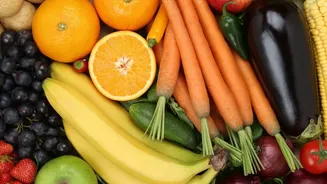
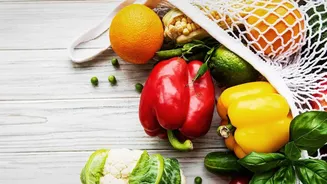
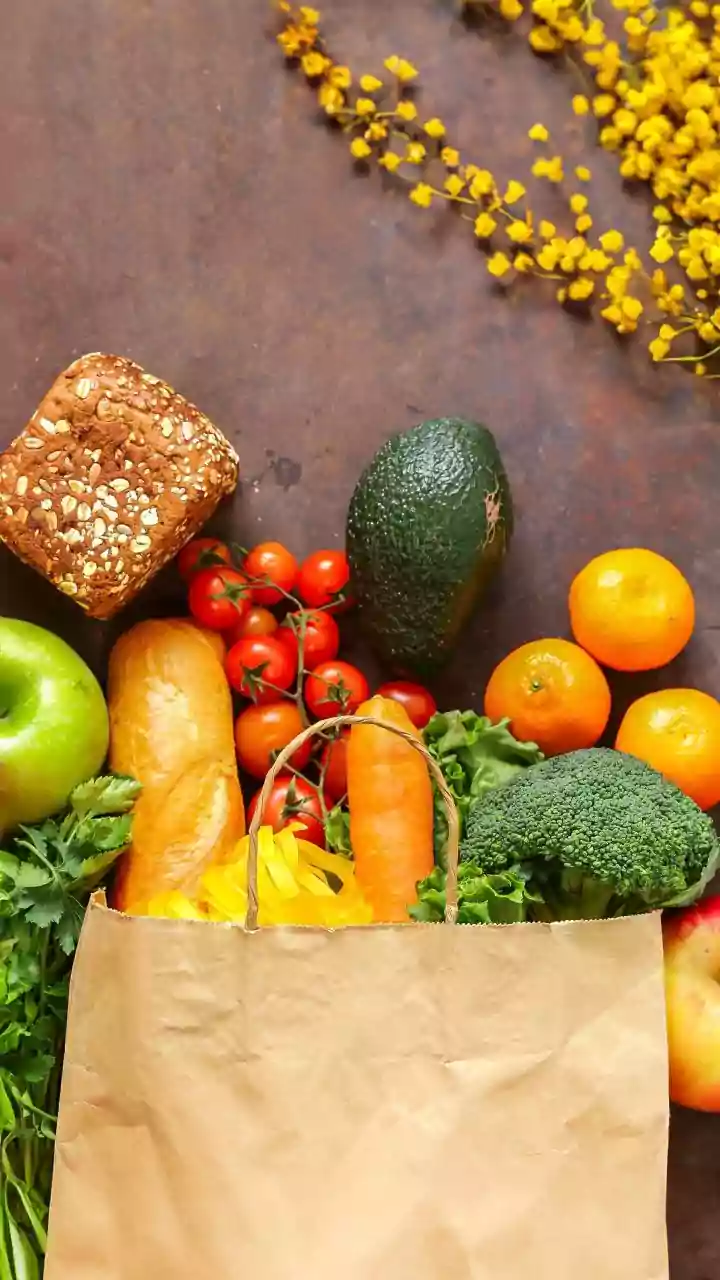
As India transitions into the autumn months of October and November, local markets fill with a fresh variety of produce. This is the ideal time to incorporate cool-season vegetables into your cooking. Look for vibrant greens like spinach (palak) and fenugreek (methi), which are at their nutritional peak during cooler months. Cruciferous vegetables such as cauliflower and cabbage become abundant and affordable. Root vegetables including carrots, beetroot, and radishes are also prime for harvesting, offering earthy flavours perfect for curries, stir-fries, and salads. In many regions, this is also the season for beans, peas, and gourds, providing a wide palette to keep your meals interesting and nutritious.
Rethinking Your Protein Sources
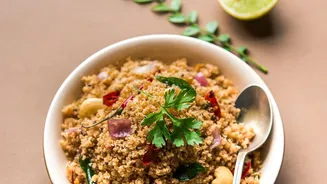
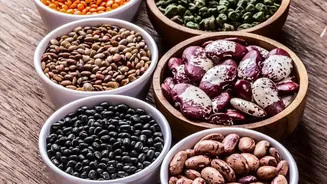
Protein is essential, but it does not have to be expensive. Indian kitchens are already rich with incredibly affordable and high-quality protein options. Soya chunks are a standout, offering more protein by weight than many other sources at a fraction of the cost. Lentils and pulses (dals) are the backbone of Indian cuisine for a reason; varieties like moong, masoor, and chana are not only cheap but also form a complete protein when paired with roti or rice. Eggs are another powerhouse, providing highly bioavailable protein at a low price point. For dairy, homemade curd (dahi) and paneer are often more economical and provide significant protein. Even peanuts, often eaten as a snack, are a potent and budget-friendly protein source.
Smart Meal Planning and Shopping
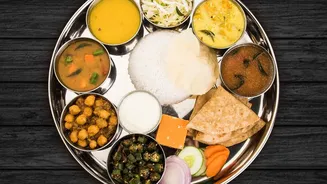
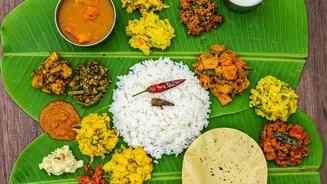
A little planning goes a long way in maximizing variety and minimizing waste. Start by planning your week’s meals around what is seasonal and on sale. Visiting local farmer's markets or your neighbourhood sabziwala is a great way to get the freshest produce at the best prices. Build your meals around a versatile base; for instance, a simple dal can be paired with different seasonal vegetables each day. Don't be afraid to try new recipes that highlight the season's star ingredients. Batch cooking a base gravy or a large pot of lentils can save significant time during the week. By combining affordable staples like dal, rice, roti, and eggs with a rotating cast of seasonal vegetables, you can create countless nutritious and satisfying meal combinations.