


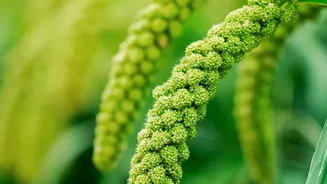

A quiet revolution is happening in Indian kitchens. For years, polished white rice and refined flour (maida) were staples, but a shift is underway as home cooks rediscover the goodness of native grains that once formed the bedrock of Indian diets.
The Return to Our Roots
For
generations, grains like jowar (sorghum), bajra (pearl millet), and ragi (finger millet) were everyday foods across the subcontinent. However, the Green Revolution in the mid-20th century, while crucial for food security, prioritized high-yield wheat and rice, pushing these traditional grains to the sidelines. They became associated with rural or 'poor man's food'. Today, that perception is changing dramatically. A growing awareness around health and wellness is leading many to question modern diets heavy in processed ingredients. Concerns about lifestyle diseases like diabetes and heart conditions have prompted a search for healthier alternatives, leading people right back to the so-called 'coarse grains' of their ancestors.
Meet the Ancient Powerhouses
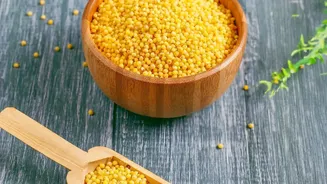
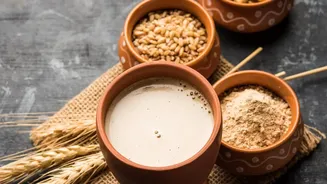
So, what are these grains everyone is talking about? They are a diverse group of small-seeded grasses, often called millets, that are packed with nutrients. Unlike their refined counterparts, they are typically consumed whole, retaining their fiber, protein, vitamins, and minerals. Some of the most popular varieties making a comeback include:
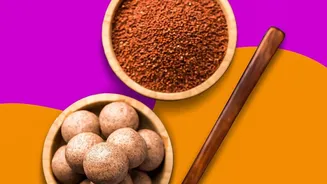
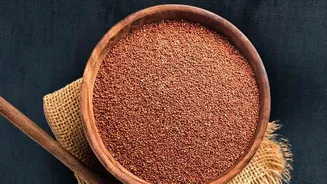
- Ragi (Finger Millet): A nutritional hero, especially in South India, ragi is celebrated for its high calcium and iron content.
- Jowar (Sorghum): A staple in Maharashtra and Karnataka, jowar is naturally gluten-free and rich in antioxidants and dietary fiber.
- Bajra (Pearl Millet): Traditionally consumed in the winter months in states like Rajasthan and Gujarat, bajra is dense in iron, magnesium, and helps keep the body warm.
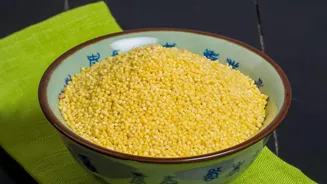
- Other gems: Foxtail millet (kangni), little millet (kutki), and amaranth (rajgira) are also gaining popularity for being light, nutritious, and versatile.
From Bhakri to Brownies
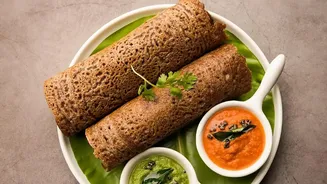
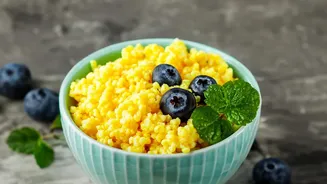
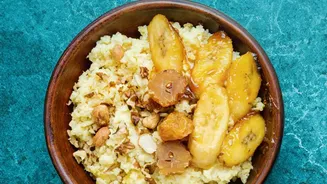
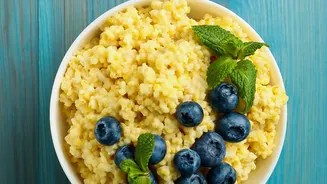
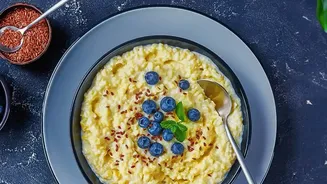
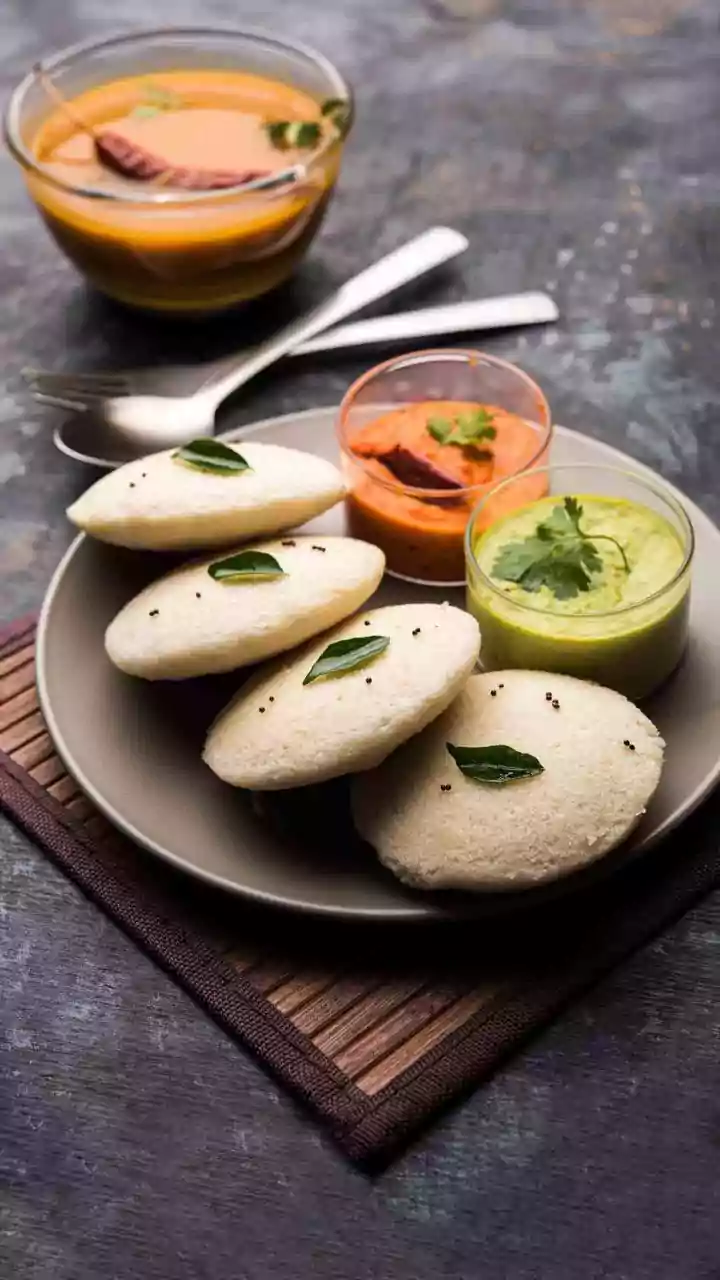
The most exciting part of this revival is how these grains are being integrated into modern cooking. While traditional preparations like rotis, bhakris, and porridges remain popular, home cooks are getting creative. Millet flours are now being used to make everything from fluffy pancakes and dosas to cakes, cookies, and even noodles. You can find recipes for jowar upma, foxtail millet pulao, and ragi idlis. This versatility allows families to enjoy the health benefits of millets without completely overhauling their favourite meals. It's about smart swaps, like using a mix of millet and wheat flour for chapatis or replacing rice with millets in a khichdi.
More Than Just a Health Trend
The movement towards native grains goes beyond personal health; it's also a win for the environment. Millets are often called 'climate-friendly' crops for good reason. They are remarkably hardy, require significantly less water than rice and wheat, and can thrive in poor soil with minimal need for chemical fertilizers or pesticides. By choosing these grains, consumers are supporting sustainable agricultural practices, helping conserve water, and empowering small-scale farmers in arid and semi_arid regions of India. Initiatives like the Odisha Millets Mission have successfully revived millet cultivation, boosting rural incomes and promoting biodiversity.