





The Engine of Speed: What is Micro-Fulfillment?
For years, e-commerce relied on massive, centralized warehouses located on the outskirts of major metropolitan areas. While efficient for storing vast amounts of inventory, this model creates a bottleneck for speedy delivery to distant towns. Enter the micro-fulfillment
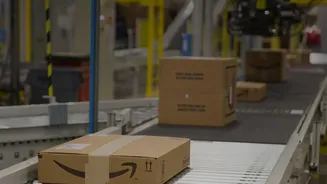
centre (MFC). These are small, strategically located warehouses tucked inside or on the edge of cities. Instead of housing millions of products, MFCs stock a curated selection of high-demand items specific to that local area. This 'hyperlocal' approach, pioneered by quick-commerce platforms, is now being adopted by major players like Amazon and Flipkart to slash delivery times from days to hours. By placing inventory closer to the customer, companies can offer the near-instant gratification that modern consumers increasingly expect.
The Tier 2 Boom: India's New Growth Corridors
The next wave of e-commerce growth in India is coming from Tier 2 cities. Urban centres like Lucknow, Jaipur, Coimbatore, Nagpur, and Chandigarh are no longer just consumption zones; they are becoming active logistics hubs. This shift is driven by a perfect storm of factors: rising disposable incomes, widespread smartphone and internet penetration, and significant government investment in urban infrastructure. Companies recognize that to win these burgeoning markets, they must be physically present. Amazon, for example, recently announced a massive expansion of its operations network, adding new fulfillment and sortation centres in non-metro locations like Raipur, Ranchi, Varanasi, Meerut, and Hassan to bring inventory closer to customers. This strategic decentralization is not just about faster deliveries; it is a fundamental bet on the economic power of smaller Indian cities.
A New Job Landscape
This logistics expansion is creating a surge in recruitment across Tier 2 and Tier 3 regions. Ahead of the recent festive season, Amazon alone announced 160,000 seasonal job opportunities spanning 400 cities, including locations like Ghaziabad, Gorakhpur, Jalandhar, and Kochi. But the demand extends far beyond delivery partners. Each new fulfillment centre, sortation hub, and delivery station requires a diverse workforce. These roles include warehouse managers, inventory planners, operations coordinators, IT support executives, data analysts, and transportation specialists. The logistics sector is projected to need an additional 4.7 million skilled workers by 2030, transforming the employment landscape in these urban centres. This creates a powerful ripple effect, formalizing parts of the gig economy and providing stable employment opportunities outside the traditional metro hubs.
More Than Just Jobs: Economic Ripples
The impact of this logistics boom goes beyond direct employment. The establishment of large-scale warehousing creates significant indirect job opportunities in security, maintenance, and local transportation. It also fuels demand for real estate, with warehousing lease volumes in Tier 2 and 3 cities rising dramatically. This influx of investment and activity boosts local economies. Moreover, the operational demands of modern logistics are driving a need for a more skilled workforce. There is a growing emphasis on hiring professionals with analytical skills and proficiency in technologies like AI-driven inventory management and automated systems. This focus on upskilling can lead to higher wages and better career prospects for the local population, with logistics salaries projected to see healthy increments.
Challenges on the Road Ahead
While the expansion brings immense opportunity, it also presents challenges. The primary hurdle is a shortage of skilled talent. Many companies report struggling to find candidates with the right mix of operational expertise and technological know-how required for a modern, digitized supply chain. As multiple players compete for the same talent pool, hiring pressure is increasing. Furthermore, while infrastructure in Tier 2 cities is improving, it can still pose a challenge compared to the mature ecosystems of metros. Successfully navigating these complexities will be key for companies aiming to sustain this growth. The evolution from a metro-centric model to a decentralized network requires not just building warehouses, but also building a capable, tech-savvy workforce to run them.