






The New Digital Minefield
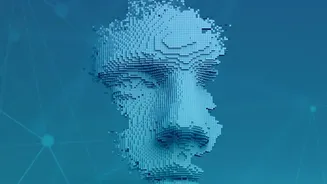
Not long ago, digital literacy meant knowing how to use a computer or navigate the internet. Today, as artificial intelligence tools become more powerful and accessible, the definition has expanded dramatically. We are now in an era of 'synthetic media',
where hyper-realistic but entirely fake videos, images, and audio can be created with alarming ease. These creations, known as deepfakes, can be used for everything from harmless fun to sophisticated scams, identity theft, and spreading misinformation. Scammers no longer need advanced technical skills; a few seconds of audio from a social media post can be enough to clone a voice, and public photos can be used to create convincing fake videos. This new reality requires us to shift from being passive consumers of content to active, critical evaluators.
How to Spot a Fake Video
Deepfake videos are designed to trick you, but they often have subtle flaws if you know what to look for. Pay close attention to the face and eyes. AI models can struggle with natural blinking, so you might see someone who blinks too much, not enough, or in an irregular pattern. Look at the edges of the face; you might notice blurring or warping where the fake face meets the neck or hair. Other signs include unnatural skin texture that appears too smooth or waxy, and inconsistencies in lighting and shadows. Lip-syncing can also be a giveaway; if the mouth movements don't perfectly match the audio, be suspicious. For live video calls, asking the person to turn their head to the side or wave a hand in front of their face can sometimes cause the AI model to glitch.
Is That Photo Real?
Manipulated images have been around for a long time, but AI makes them easier to create and harder to spot. Start by examining the details. AI often struggles with hands, sometimes creating images with the wrong number of fingers. Look for weird inconsistencies in the background, like distorted lines or patterns that don't make sense. Shadows and reflections are also difficult for AI to perfect; check if they align with the light sources in the image. An unnaturally polished or smooth appearance, where skin has no pores or texture, can be another red flag. If you're suspicious, use a reverse image search tool like Google Images to see if the photo has appeared elsewhere in a different context. This can help you trace the image to its original source and verify its authenticity.
That's Not Your Friend's Voice
One of the most alarming new scams involves AI voice cloning. A scammer can use a short audio clip of a person's voice to create a realistic clone, then use it to call a family member or friend. Typically, these calls create a sense of extreme urgency, with the 'cloned' voice claiming to be in an emergency and needing money immediately. The voice may sound robotic, have unnatural pauses, or lack normal emotional tone. If you receive such a call, the most important thing to do is to stay calm and verify the request. Hang up and call the person back on a number you know is theirs. A powerful and simple strategy is to establish a 'safe word' or a secret question with close family and friends that only they would know the answer to. This can quickly expose a scammer in a high-pressure situation.
Adopting a 'Pause and Verify' Mindset
Ultimately, the best defence against digital manipulation is a healthy dose of scepticism. The goal isn't to be paranoid but to be thoughtful. Before you share, react to, or believe a piece of content, especially if it's surprising or emotionally charged, take a moment to pause. Investigate the source. Is it a credible news outlet or an anonymous social media account? Find other sources. Are other reliable outlets reporting the same information? This simple 'stop, investigate, find' approach is a cornerstone of modern digital literacy. In a world where anyone can create seemingly real content, the responsibility is on all of us to question what we see and hear. This critical engagement is not just a skill; it's a necessary habit for responsible digital citizenship.