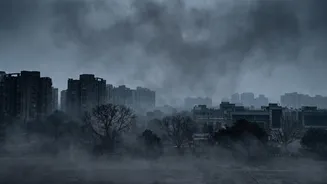






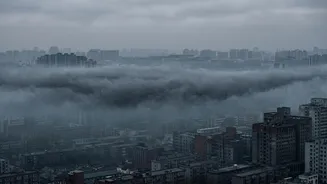
As the winter chill descends on India's cities, it brings a familiar, unwelcome guest: a thick blanket of smog. While we see the haze outside, the air inside our homes, which can be up to five times more polluted, poses an invisible threat.
The Winter Trap: Why Indoor Air Worsens
Winter air
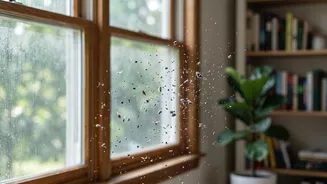
quality in urban India deteriorates for a key reason: temperature inversion. Normally, warm air near the ground rises, dispersing pollutants. In winter, however, a layer of cold air gets trapped beneath a layer of warmer air, acting like a lid. This phenomenon, combined with lower wind speeds, prevents pollutants from sources like vehicle emissions, industrial output, and crop burning from escaping. This polluted outdoor air inevitably seeps into our homes through gaps in windows, doors, and ventilators. Compounding the problem are indoor pollution sources, including cooking fumes, cleaning products releasing volatile organic compounds (VOCs), and dust, creating a toxic mix that has nowhere to go.
The Hidden Health Risks for Your Family
This poor indoor air quality is not just a matter of discomfort; it's a significant health risk, especially for children, the elderly, and those with pre-existing conditions. The most dangerous culprits are fine particulate matter, known as PM2.5. These particles are so small they can bypass the body's natural defenses, lodging deep in the lungs and even entering the bloodstream. Exposure can lead to a range of health issues, from eye irritation, coughs, and allergies to more severe conditions like asthma, bronchitis, chronic obstructive pulmonary disease (COPD), and cardiovascular problems. Over time, this chronic exposure can have lasting consequences, impacting lung development in children and increasing the risk of heart disease and strokes in adults.
Strategy 1: Control Your Home's Airflow
The first line of defence is managing how air moves in and out of your home. Start by sealing any obvious leaks around windows and doors with weather stripping to minimise the infiltration of outdoor pollutants. However, completely sealing your home can lead to a buildup of indoor pollutants and carbon dioxide, causing stuffiness and headaches. The key is smart ventilation. Check the local Air Quality Index (AQI) daily. During the brief periods when the outdoor air is in the 'Good' or 'Moderate' range, open windows for 10-15 minutes to allow fresh air to circulate and dilute indoor contaminants. Immediately close them as the AQI begins to worsen. This balanced approach prevents you from trapping stale, polluted air inside.
Strategy 2: Invest in Mechanical Purification
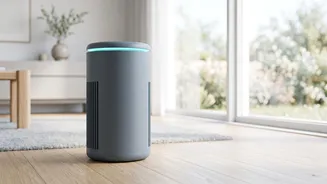
For many urban families, especially in cities like Delhi, an air purifier is no longer a luxury but a necessity. When choosing a purifier, look for one with a High-Efficiency Particulate Air (HEPA) filter, which is designed to capture at least 99.97% of airborne particles like PM2.5, dust, and pollen. Pay attention to the Clean Air Delivery Rate (CADR), which tells you how quickly the purifier can clean a room of a certain size. A purifier sized correctly for your room can significantly reduce particulate matter concentrations. While purifiers are an investment, they are one of the most effective tools for creating a safe breathing zone within your home during peak pollution months.
Alongside technology, simple daily habits can make a big difference. Always use an exhaust fan or chimney when cooking to vent fumes outside. Minimise the use of incense, candles, and chemical air fresheners, which release harmful compounds into the air. When cleaning, use a damp cloth for dusting instead of a dry one to trap dust particles rather than sending them airborne. Regularly vacuum carpets and wash bedding in hot water to reduce dust mites and allergens. While not a substitute for purifiers, certain indoor plants like Spider Plants and Peace Lilies can help filter some toxins from the air.