




Embrace Warming Spices
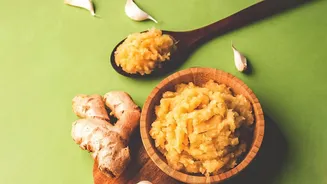
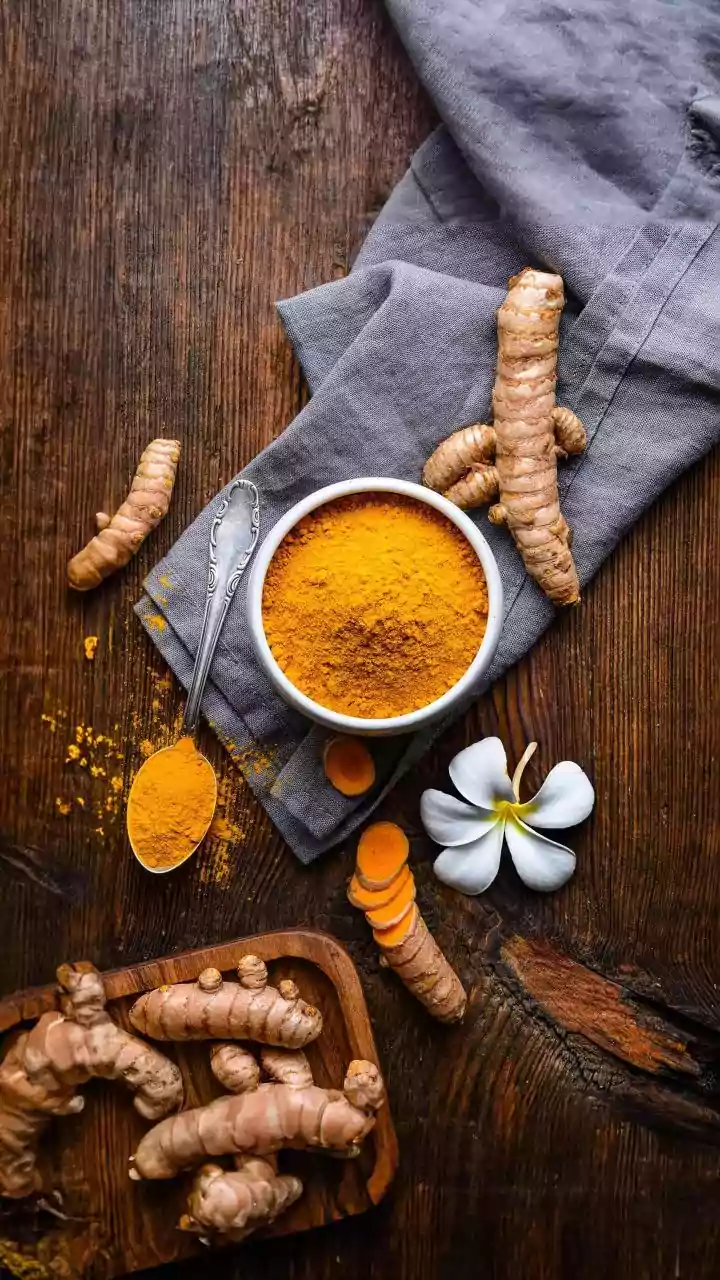
Turmeric and ginger are staples in every Indian kitchen, and they become even more crucial during the monsoon. Turmeric contains curcumin, a compound with powerful anti-inflammatory and antioxidant properties that help strengthen the body against infections.
Ginger is a warming spice that aids digestion, soothes sore throats, and helps clear congestion. A pinch of turmeric in your dals and sabzis, paired with freshly grated ginger in your morning tea, can do wonders for your immunity. These spices help the body adapt to the cool, damp weather.
Sip on Soups and Broths
There's nothing more comforting than a warm bowl of soup on a rainy day. Soups are one of the best foods to have during this season because they are light, hydrating, and easy to digest. A vegetable soup seasoned with spices like black pepper, cumin, and garlic not only provides essential nutrients but also helps keep you warm and fights off infections. Opt for home-cooked soups made with seasonal vegetables like bottle gourd (lauki), carrots, and pumpkin. Avoid heavy, creamy soups and stick to clear broths for maximum benefit.
Choose Seasonal Fruits Wisely
While it's tempting to eat all kinds of fruit, the monsoon calls for being selective. Opt for seasonal fruits like jamun, pomegranates, pears, and apples. Pomegranates and jamun are packed with antioxidants and Vitamin C, which are vital for a strong immune system. These fruits help your body fight off illnesses that are common during the rains. It's best to avoid fruits with high water content, like watermelon, and always wash fruits thoroughly before consumption. Peeling fruits like bananas and pomegranates makes them a safer choice.
Incorporate Probiotics
Gut health is directly linked to immunity, and the monsoon can be tough on our digestive system. Including probiotics in your diet helps maintain a healthy balance of gut bacteria. Freshly prepared curd or yoghurt is an excellent source of probiotics. It's also a great source of protein, which is essential for muscle repair and overall health. However, Ayurveda suggests consuming it in moderation and preferably during the daytime. A bowl of fresh dahi with your lunch or a glass of spiced buttermilk (chaas) can aid digestion significantly.
Go for Light and Digestible Grains
Since our digestive fire (agni) is considered weaker during the monsoon, it's wise to switch to lighter grains. Foods like moong dal, khichdi, and oats are easy on the stomach and provide sustained energy. Khichdi, made with rice and moong dal, is considered an ideal monsoon meal in Ayurveda because it's a balanced, warm, and easily digestible dish. Using digestive spices like cumin and asafoetida (hing) while preparing these meals can further support your digestive system.
Add Garlic to Your Meals
Garlic is another monsoon superfood valued for its potent antibacterial and antiviral properties. Including garlic in your daily cooking can help strengthen your immune system and protect you from common colds and flu. Its active compounds help fight off pathogens that thrive in the damp monsoon weather. You can add it to dals, soups, and vegetable preparations to not only enhance the flavour but also to give your body an extra defensive shield against seasonal illnesses.
Snack Smart with Nuts and Seeds
When the craving for a fried snack strikes on a rainy evening, reach for a handful of nuts and seeds instead. Almonds, walnuts, and pumpkin seeds are rich in Vitamin E, omega-3 fatty acids, and zinc—all of which are crucial for a healthy immune response. They provide healthy fats and protein, keeping you full and reducing the temptation to indulge in heavy, oily street food, which can be hard to digest and a source of infection during this season.